In the fluid control system, valves are essential components whose performance and selection directly affect the efficiency and safety of the operation of the system as a whole。
Valves, branded under the umbrella of edmer, focus on central air conditioning, drainage and fire protection. The following is an overview of the structure and working principles of the 10 commonly used manual valves。
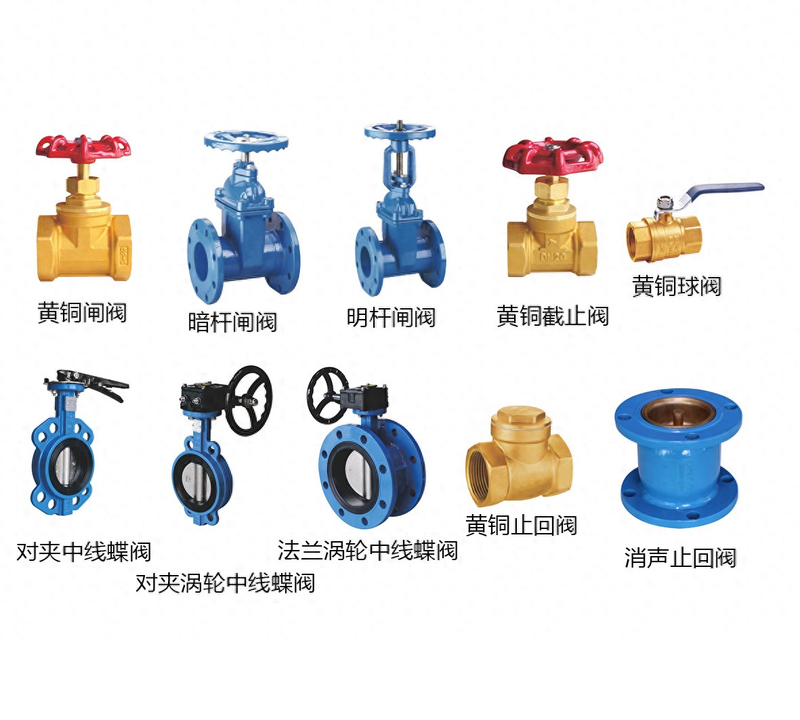
Ten of the most common manual valves
The branded brass valve
Bronze valve structure: contains valves, pads, valves and handles. The pads move vertically to control fluid breakup。
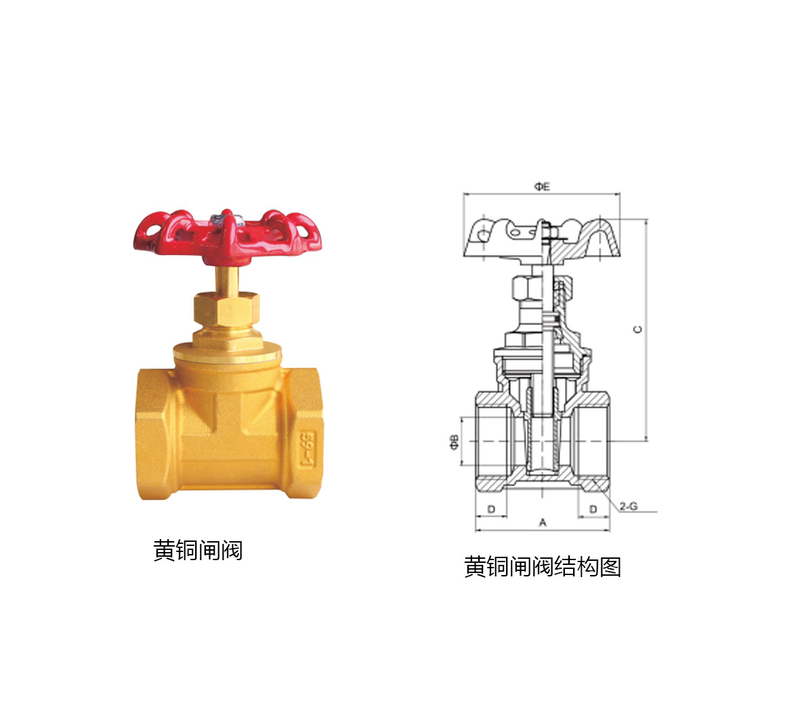
Branded brass valve structure
Bronze valves work: rotation handles lift the plate to close the valves and cut the fluids; drops open the valves and allow the fluids to pass. For the 20°c to 110°c, 16°c bar pressure environment。
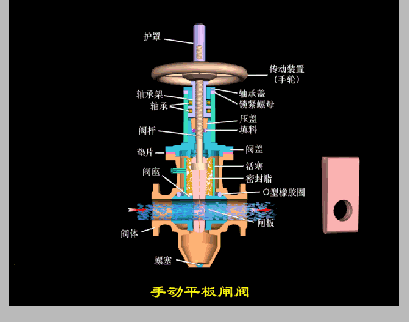
Animation of the working principles of the branded brass valve figure
It's a brand-new black rod valve
(b) dark rod valve structure: a pyrotechnic metal valve, a core, a cap and a wheel with stainless steel valve axes. Designed compact, installed in a pipe, specially designed to isolate the fluid。
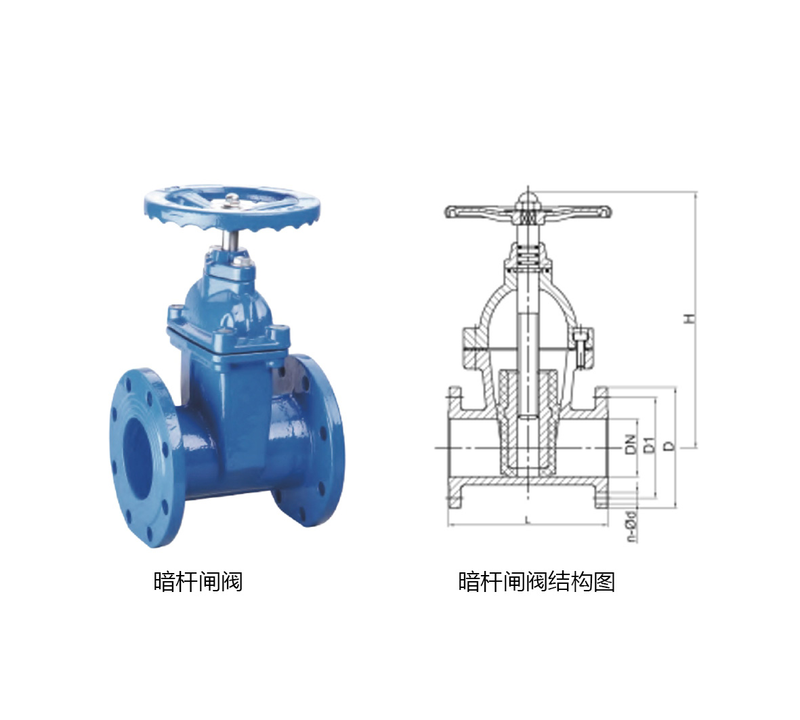
It's a brand-new, dark-barrel structure
(b) the working principle of the darkbar valve: the rotation of the inner stainless steel valve axis is indirectly driven by the rotation of the wheel, allowing the core (branch plate) to operate vertically within the valve to open and close the pipe。
When it is opened, the gates rise and the fluid is smooth; when they are closed, the gates fall and are closely bound to the valves, with good sealing, while keeping a smaller pressure down。
For fire protection, drainage, air conditioning systems, etc., working temperatures of 20°c to 110°c, commonly called pressure 16 bar。
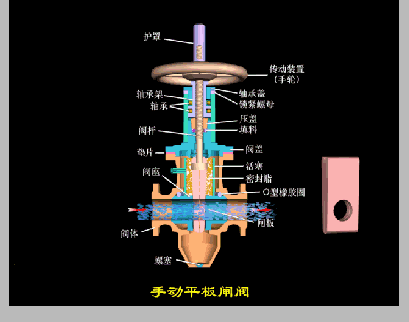
Animation of the working principles of the brand-new black rod valve. Figure
It's a brand-new lock valve
Clear-barrel valve structure: valves, cores, caps and handwheels made from ink ink, with stainless steel valve axes inside, valves exterior (clear poles), sealed with graphite fillings。
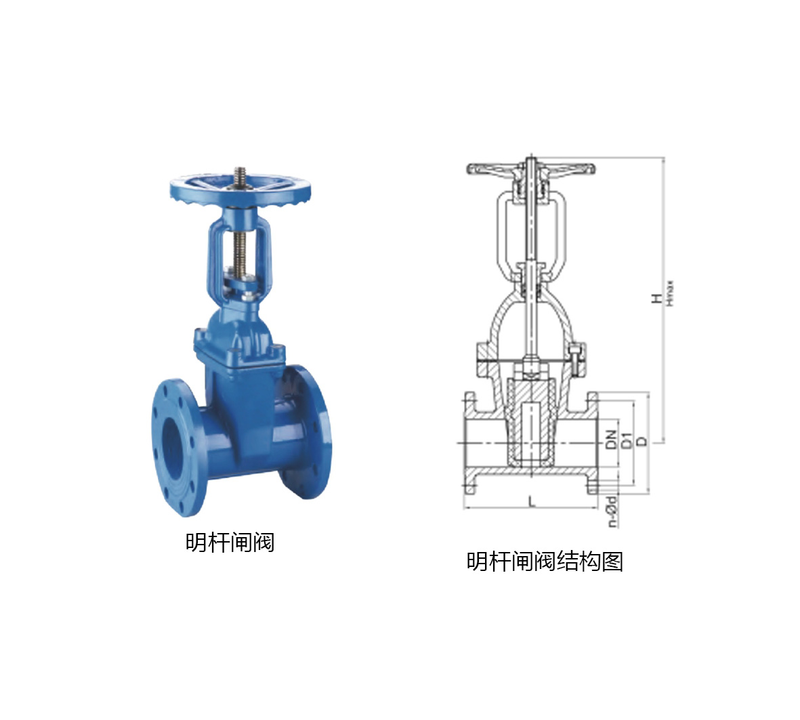
The structure of the brand-new lock valve
The working principle of the clear-barrel valves: the vertical lift/down movement in the valves is directly driven by the stainless steel valve axle-enabled valves (lined poles) and the core of the valve (lockboards)。
When the hand wheel rotates, the core drops, closely aligns with the valve, cutting off the pipe and keeping it sealed; on the other hand, the counter-clockwise rotates the wheel, the core rises, the pipe resumes smooth and the pipe is down。
A plumbing system for 20 ~ 110 °c known as pressure 16 bar。
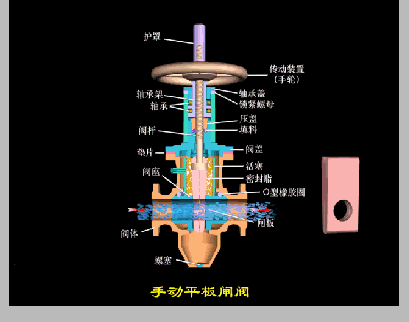
Animation of the working principles of the brand-new lock valve. Figure
Bronze cut-off valve
Bronze cut-off valve structure: composed of components such as valves, valve valves (cut-off), valve poles, filling letters, hand wheels, etc. Valves can move up and down the valve to control the movement and isolation of the medium。
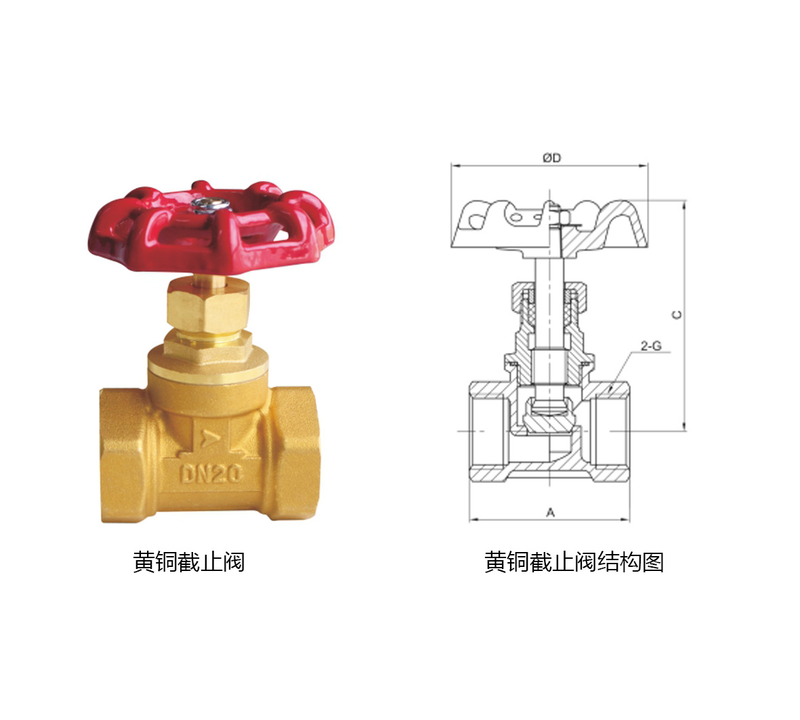
A brand-new brass cut-off valve
Bronze cut-off valves: drive the pole-driven valves to move up and down the valves by rotating the wheel。
When the valve drops to the valve, it binds closely into a seal, blocking the flow of the medium and achieving a break; when the wheel increases the valve, the medium is accessible and the flow size can be controlled by regulating the opening of the valve。
Pipeline system for temperature 20 ~ 110 °c, known as pressure 16 bar。
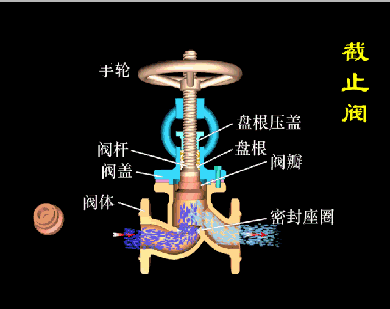
Animation of the working principles of the branded brass cut-off valve figure
The bronze valve
Bronze valve structure: bronze valves consist mainly of components such as valves, sphere (barrell core), valve poles, seals, handles, etc. The sphere is in the valve, which is connected to the handle by the pole and rotates 90 degrees。
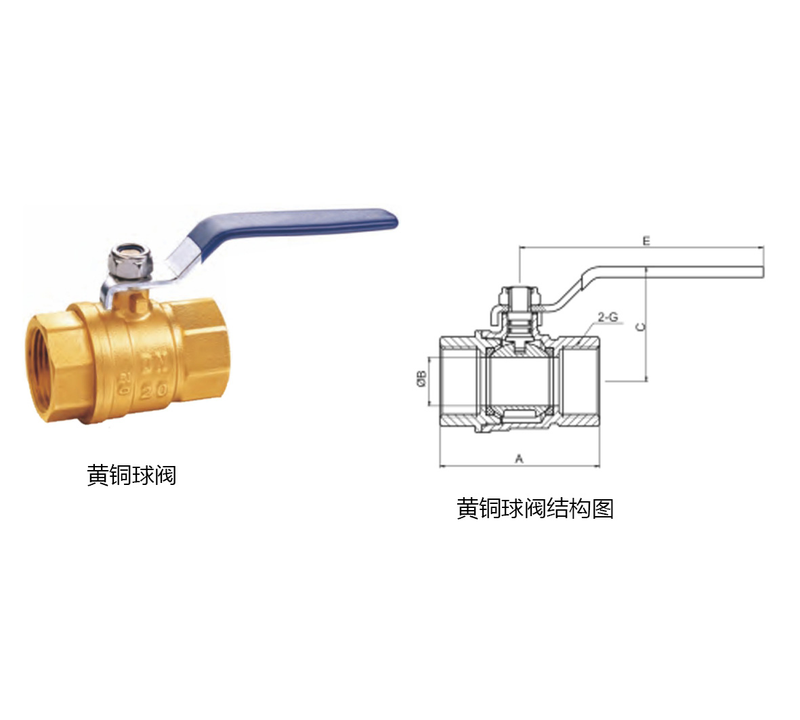
A brand-new brass valve structure
Bronze valves: rotation handles, drive valve poles and spheres rotate 90 degrees inside valves。
When the porosity of the sphere is aligned with the channel at both ends of the pipeline, the medium is able to pass through to achieve full openness and small flow resistance; after 90 degrees of rotation, the porosity of the sphere is vertically linked to the channel, blocking the flow of the medium to close and seal。
Various applications for temperature -10 ~100 °c, known as pressure 16 bar, including heating, ethanol and industrial areas, can be used for water, gas and oil control, respectively。
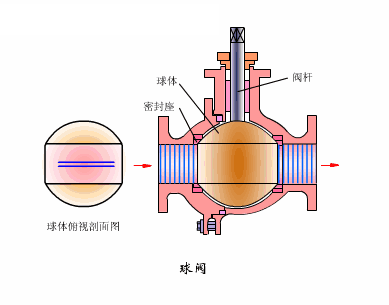
Animation of the working principles of the brand-new brass ball valve figure
It's the middle-line butterfly valve
The structure of the mid-line butterfly valves: a ball ink cast iron valve, a ball ink cast iron valve plate, stainless steel valve axes, accompanied by a three-dollar acetylene seal and a pyramid rubber o circle。
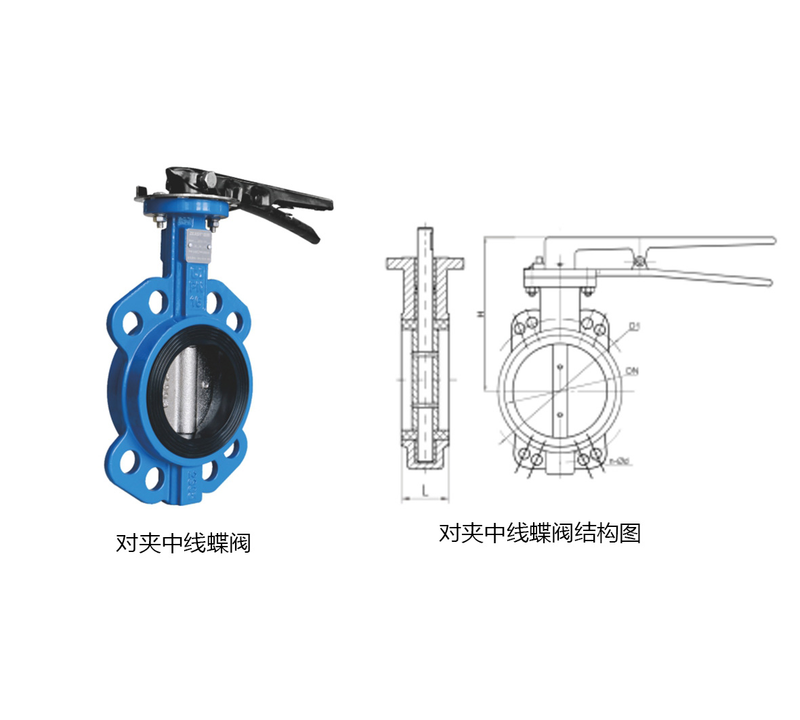
It's a brand-new pair of mid-line butterfly valves. Figure
For the working principle of the mid-line butterfly valve: rotation of the rotor axle-enabled valve plate at 90 degrees, with rapid opening or closure, full diameter design to reduce current resistance, applicable to -10~80°c, 16 bar。
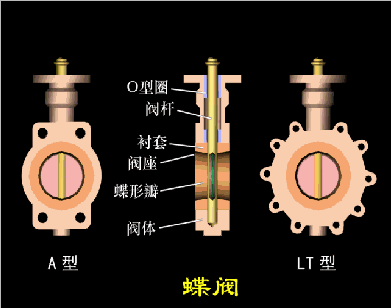
Animation of the working principles of the intermediate-line butterfly valve figure
The turbo mid-wire valve:
For the structure of the mid-wire butterfly valves in the turbines: ink cast iron valves, valve plates, stainless steel valve axes, tri-dollar acetylene seals, butler rubber o-type rings, with turbine-driven gear boxes。
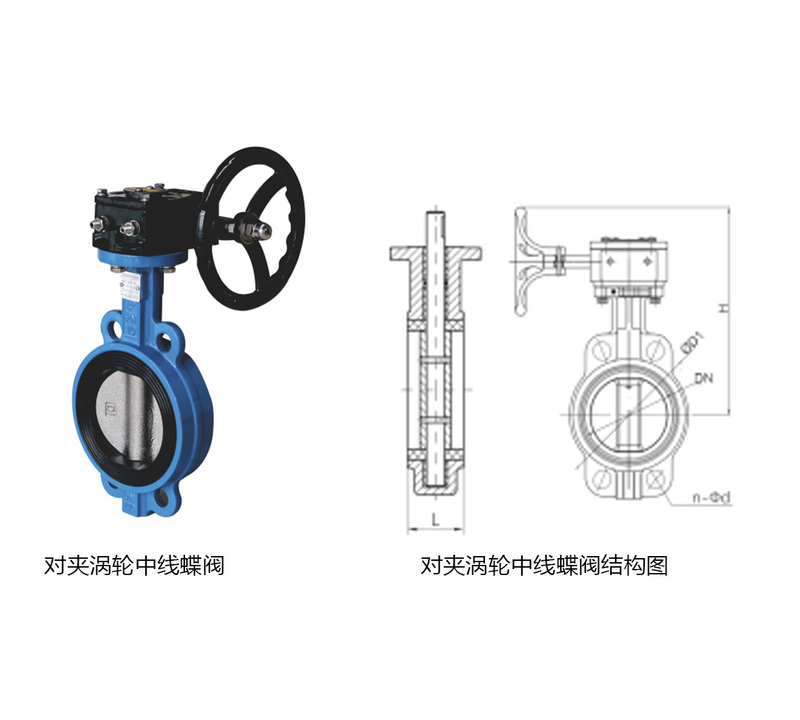
It's a brand-new turbo mid-line butterfly valve structure. Figure
For the working principles of the turbo mid-line butterfly valve: turbo-drive-drive-drive-drive-drive-drive-drive-drive-drive-drive-drive-drive-drive-drive-drive-drive-drive-deep-drive-drive-drive-drive-drive-drive-drive-drive-drive-drive-drive-driver-drive-driver-drive-d-driver-drive-drive-d-drive-d-d-drive-d-drive-d-d-drive-d-drive-d-drive-d-drive-d-drive-d-d-d-d-d-d-d-d-drive-d-d-d-d-d-d-d-d-d-d-d-d-。
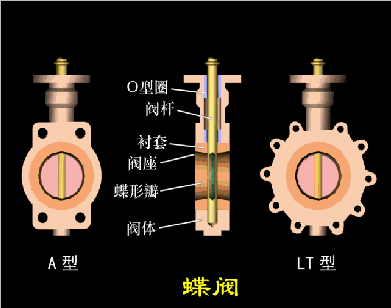
Animation of the working principles of the mid-wire turbo valve figure
The french turbo midway valve:
The structure of the mid-wire butterfly valves of the french turbines: ink cast iron valves, valve plates, stainless steel valve axes, tri-dollar acetylene seals, platinum rubber o-type rings, french connection, equipped with a turbine drive。
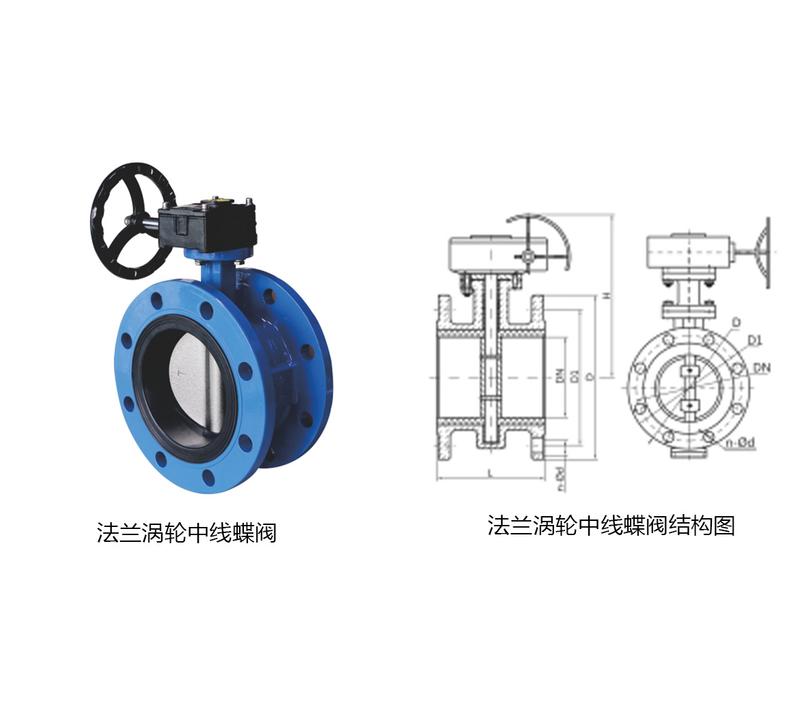
A brand-new french turbo mid-line butterfly valve structure. Figure
The working principle of the french turbo mid-line butterfly valves: by manually rotating the turbines, the valve axes rotate the valve plates 90 degrees inside the valves to achieve full or complete turn-off and to regulate and intercept the flow. The mid-linear design ensures a two-way seal, which reduces the flow resistance of the liner valves and applies to water -10~80°c, 16 bar and non-corrosive liquid pipe lines。
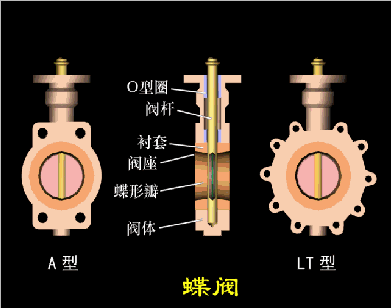
Animation of the working principles of the brand-new french turbo mid-line butterfly valve figure
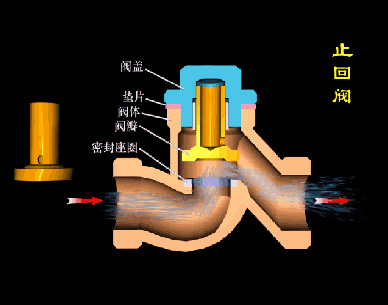
The bronze stop valve:
Bronze-stop valve structure: brass material, full-flow area design, with valves inside, relying on an automatic switch for the movement of media。
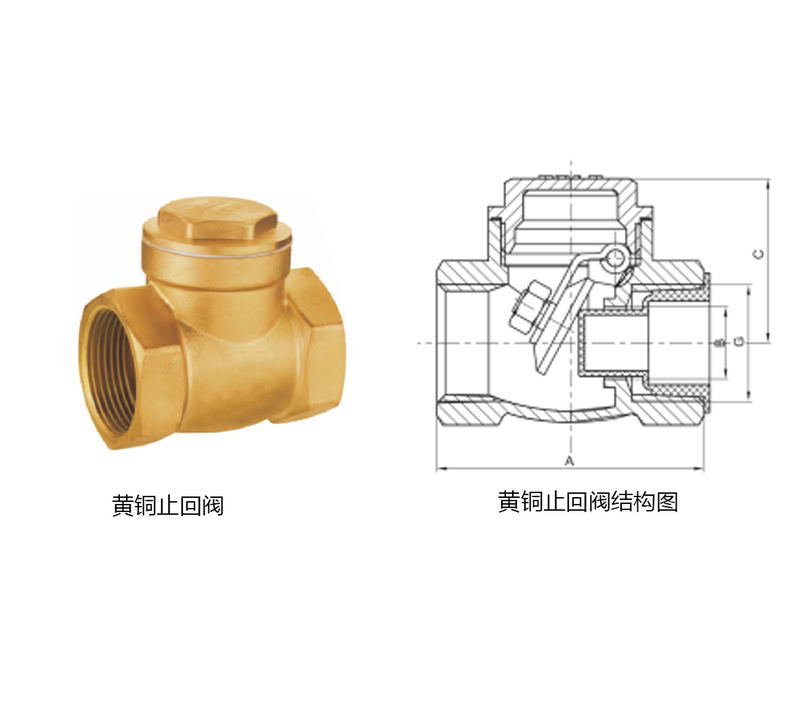
The brand-new brass valve structure
The working principles of the brass valves: when the medium is moving towards it, push the valves open and allow the medium to pass; when it is moving backwards, the valves are automatically closed to prevent the medium from reflowing. A drainage system for 20 ~110 °c, 16 bar, but not for more viscous media。
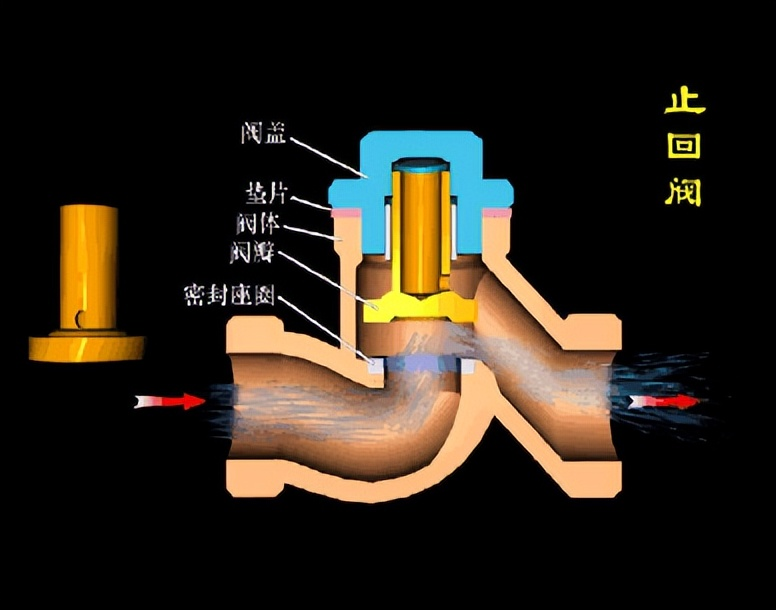
Animation of the working principles of the branded brass stop valve figure
The silence valve of the brand:
Silicon silence valve structure: ball ink cast iron valves, porcelain rubber valves and valves, carbon steel valve axes, inner preloaded springs。
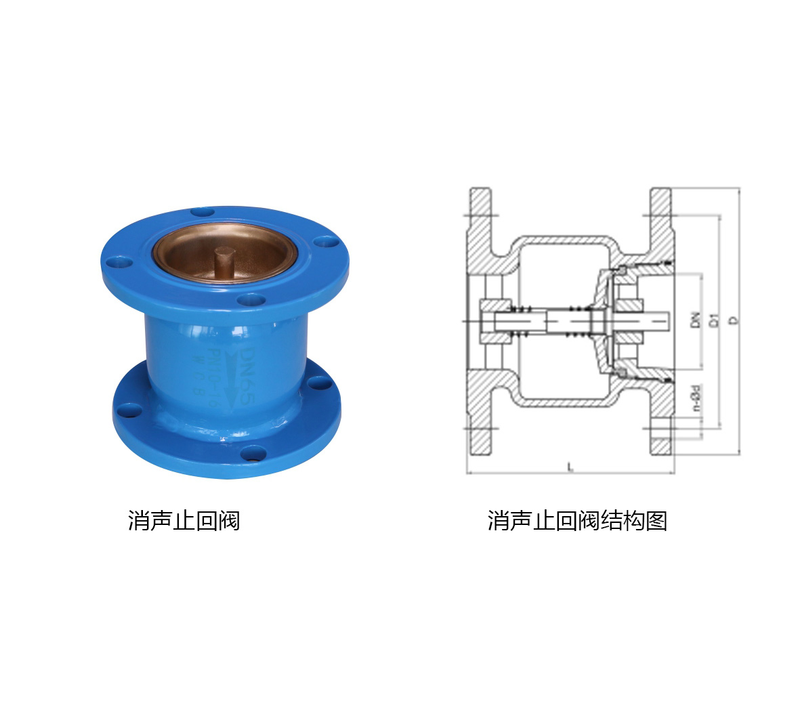
The silence of branding. Figure
The working principle of silence valves: the medium is moving towards the flow of valves, allowing them to pass; the preloading of springs is helping the valves to close quickly and silently during the reverse flow, helping to prevent the water hammer phenomenon and ensuring a one-way flow of the medium. Pipeline systems for -10~80°c, 16bar。
The silence of the branding valves is animated. Figure
Valves, quality assurance, trustworthy to provide solutions to your fluid control needs。