The seven major costs of real estate development are the key factors that make up the total cost of real estate development projects, including land costs, construction costs, ancillary costs, financial costs, management costs, marketing costs and tax costs。
The cost of land is one of the most important in real estate development projects, including land tenure concessions, land lease costs, land transfer costs, etc. Today, when land markets are highly competitive, the extent of land costs directly affects the profitability of developing enterprises。
Construction costs are those for construction and installation works in real estate development projects. These costs include, inter alia, construction, equipment acquisition and installation. Construction costs depend on a variety of factors, such as the size of the project, the structure of the building, and the price of materials。
Accompanying costs are the costs of a variety of ancillary facilities built to meet the living needs of the population in real estate development projects. These include water, electricity, gas, communications, roads, etc. Their construction costs are also an important part of the total cost of real estate development projects。
Financial costs refer to the costs incurred by the enterprise to raise funds in real estate development projects. These costs include, inter alia, interest on loans, guarantees, audit costs, etc., which also have a direct impact on the profitability of developing enterprises。
Management costs are those incurred by an enterprise in real estate development projects for the purpose of organizing and managing the project. These costs include, inter alia, the salaries of managers, office and travel costs, which are also an important part of the total cost of real estate development projects。
The cost of the sale refers to the costs incurred by the enterprise in real estate development projects in order to sell the house. These costs include, inter alia, advertising costs, the salaries of sales personnel, and the costs of distribution channels, which also directly affect the profitability of developing enterprises。
The cost of taxes and fees refers to the various taxes and fees that enterprises are required to pay in real estate development projects. These taxes include land use tax, property tax, income tax etc. Their contribution is also an important part of the total cost of real estate development projects。

Composition of house price
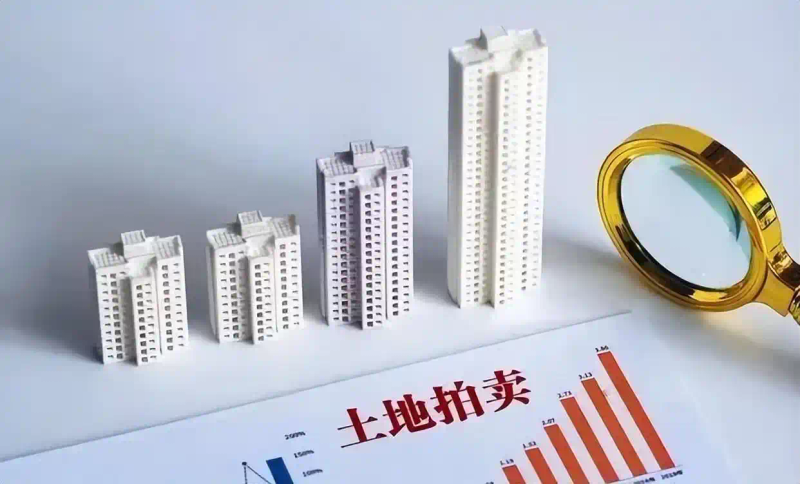
I. Land cost: $2295/m2
Land costs: this is the most significant cost of real estate development, usually 30-50 per cent of the total cost. Land costs include land concessions, land value added tax, and additional costs contracted under land tenure concessions。
The cost of land is what we often call a floor price; it is determined by the price and volume of land
Land cost = $3 million/acre 667 square/acre 2. 0 = 98 per cent = $2295/m2
Suppose:
1 , zf land price of 3 million/acre with a volume rate of 2. 0
Capacity rate is the ratio of the total building area to the area to be used in a small area, calculated as the rate = building area/land area. For example, a project has a total area of 200,000 m2 and a total building area of 400,000 m2 with a capacity rate of 2. 0。
3-98 per cent is marketable because about 2 per cent of public services cannot be sold, e. G. Property houses, old age homes, party construction centres, latrines, cultural centres, etc.
Land cost
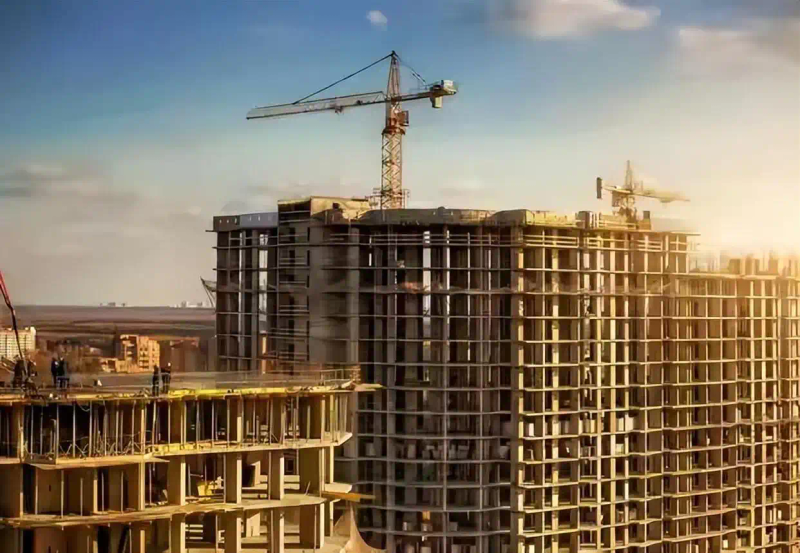
Ii. Construction costs: 1930-2000/m2
Civil works: $1250/square
Water and electricity works: $150/square
3. Warming works: $45/square
Fire works: 55 yuan/square
5 earth works: $15/square
6 base works: $50/square
Window and door works: $120/square
Elevator works: $70/square
9 temperature of outer walls: $75/square
10. Exterior wall solids: 55 yuan/square
11, pole leaves: $30/square
12 other works: $15/square
Construction costs
Accompany costs: $700/m2
(1) combined support costs: $140/m2
Municipal construction packages: $120/m2
2. Compulsory urban education package: $20/m2
(2) specialized support works: $168
Water facilities: $25/m2
2. Pipework gas supply package: $18/m2
3. Combining heating facilities: $35/m2
4. Supplementary costs for electrical installations: $90/m2
(3) service charges: $13/m2
1 planning technical services: $2/m2
Daily photo analysis fee: 1. 21 yuan/m2
3. Cost of quality testing services for building materials products: 5. 8/m2
Deposition observation fees: 1. 91/m2
5. Real estate mapping fees: 1. 91/m2
6. Cadastre costs: $ 0. 17/m2
(4) outdoor support costs: $300/m2
1 outdoor landscape, roads, etc.: $250/m2
2. Costs of rain-contaminated network facilities: $25/m2
3. Weak electricity costs such as street lights, surveillance: $15/m2
4 other ancillary costs: $10/m2
(5) pre-construction costs: $80/m2
It includes the costs of detection, planning, design, supervision, equity

Associated costs
Iv. Management costs: $150/m2
(a) management costs: including staff salaries, office costs, travel costs, consultancy costs, etc., usually 2-3 per cent of the total cost
V. Cost of sales: $250/m2
Cost of sales: including advertising, sales staff salaries, brokerage fees, marketing activities, etc., usually 3-5% of the total cost

Cost of sales
Vi. Tax costs: $500/m2
Tax costs: these include land value added tax, enterprise income tax, property tax, stamp duty, urban maintenance and construction tax, which usually account for 9-11 per cent of total costs。

Financial costs
Financial cost: $100/m2
(a) financial costs: mainly interest on bank loans, bonds, other financing costs, which usually account for 3-5 per cent of total costs

Incontrollability factor
Total cost: $6,000/m2
At the end:
Profit from real estate enterprises:
The net profits of real estate companies are, in fact, only about 10 per cent, not as high as many people say。
Land costs and the share of taxes and fees paid by enterprises have exceeded 50 per cent, are at the top of the cost of real estate enterprises and have been rising steadily in recent years. At the same time, construction costs are most resilient and the control share of different housing enterprises will vary, but as raw materials and labour costs continue to rise, so will the costs increase! In addition to the regulation of housing prices in cities in recent years, the final developers ' profits are only around 10 per cent, and even less so for small-scale housing enterprises。
Thus, in order to maintain profits, real estate enterprises need to exercise cost control and increase income in multiple ways。
First, in terms of land costs, housing enterprises need to be sensitive to changes in the land market, have timely access to land information, assess land prices rationally and reduce land costs in a number of ways. Risks and costs are shared, for example, through m&as, cooperative development and cooperation with other housing enterprises。
Second, in terms of construction costs, housing enterprises need to strengthen engineering management and cost control and to adopt precision management measures to reduce waste and unnecessary expenditure. At the same time, it is possible to work with high-quality construction enterprises to improve the quality of the works and to reduce back-to-work and maintenance costs。
In addition, in terms of marketing and financing, housing enterprises need to adopt a variety of strategies to increase income and reduce costs. For example, revenue from sales is increased through diversification of distribution channels, increased brand visibility and reputation, and fair pricing; and financial costs are reduced through measures such as optimizing financing structures, reducing financing costs and strengthening fund management。
Finally, housing enterprises also need to follow changes in policy and regulatory frameworks and adjust their business strategies and investments in a timely manner. For example, marketing plans and market layouts are rationalized in accordance with the restrictive purchase and sales policies of different cities; tax arrangements and cost controls are reasonably planned in the light of changes in tax policies。
In summary, real estate enterprises need to maintain a steady increase in profits through multiple aspects of cost control and revenue growth. Only on this basis can sustainable development and sound long-term operations be achieved。