


The american mit review of august 23, title: the wonderful evolution of chinese words is the only indicative text still in use in modern languages, meaning that their writing may be completely separate from their pronunciation. Therefore, it would be extremely difficult to use a keyboard to type。
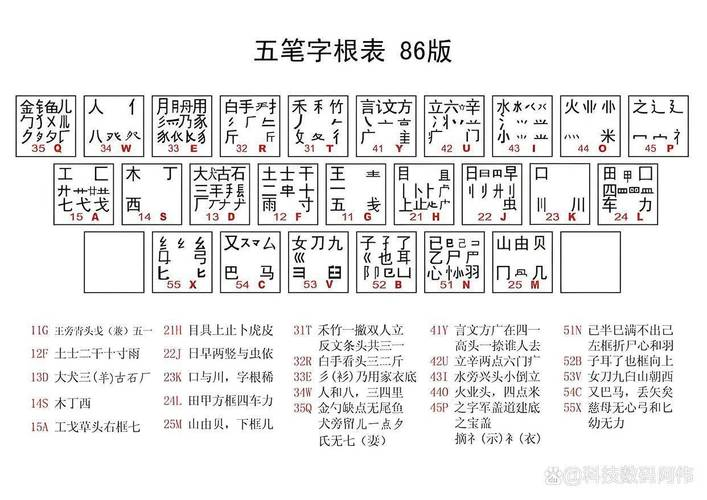
The official name of the typing software is the input method editor (ime). Today, imes are everywhere and indispensable so that it is easy to forget how hard the people concerned worked to create them. In the 1980s, the market did not use personal computers to handle chinese characters, and even after all the hard work of showing them on computer screens, there was still a big problem: how do you type them? In particular, how do tens of thousands of chinese characters match the 26 letters on the standard keyboard
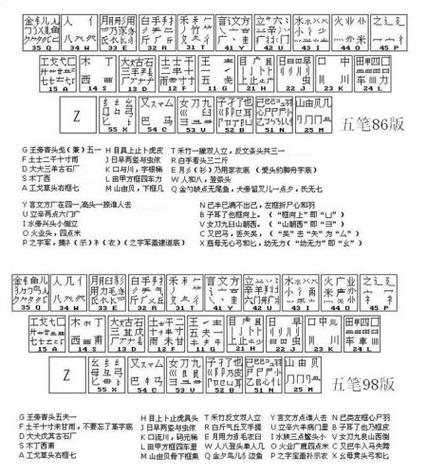
In august 1983, exactly 40 years ago, chinese engineer wang yongmin succeeded in developing the first popular chinese type of input for computers: five. His approach is to split the characters into different roots and assign a few roots to each letter key on the keyboard, with five input methods matching each word to a combination of up to four letters. This is considered to be the fastest type of chinese input, but the disadvantage is also clear: users need to remember the root of each key and therefore the learning process is relatively difficult。
The next step in the evolution of the input method is the invention of the spelling input method. In the 1980s and 1990s, china began to try to teach students the spelling and writing of chinese characters in schools. One result was that the spelling became an easier and more widely accepted mode of input. In the 1990s, a large number of chinese spelling-based words were invented, most notably the smart abc spelling method developed by professor chu。
But there is also a problem with spelling: dozens or even hundreds of chinese words use the same spelling. So whenever you type with smart abc, you still have to choose the correct chinese word from a long list of potential candidates. Clearly, this method is inefficient and, in fact, it is slower than the five input methods. But the next generation of typing software quickly surpassed its predecessors. A search dog input method combining spelling and search engines was introduced in 2006, and this keyboard software can predict what the user may want to type。
Many of the other innovative chinese words-input methods were invented at the same time as the dog search. Some attempts are made to combine font-based and spelling-based input methods. Over time, however, these methods have not been replicated, and people have turned to intelligent input methods that are far more efficient than they are, and they form the basis for people-to-tech, people-to-people exchanges. (author zeyi yang, wang will listen)



