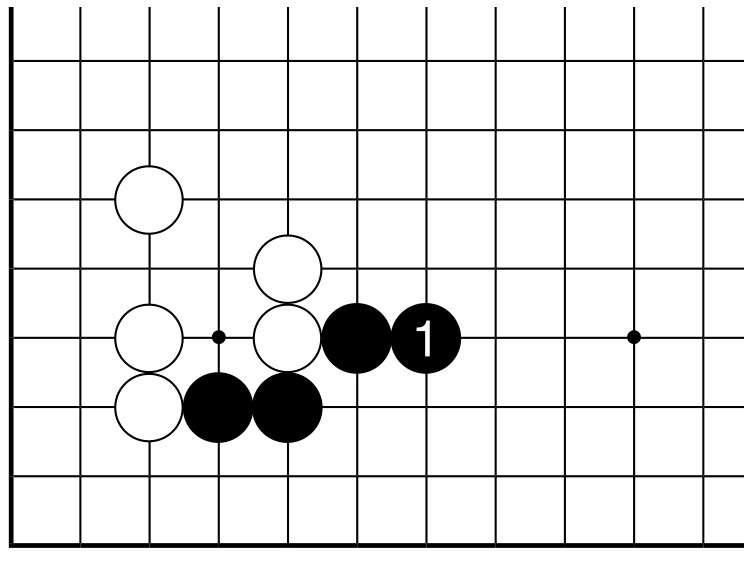
The terms of the chess are numerous, with almost every next item having a specific name, and two layers emerge as the level of chess develops and new forms emerge. The first chinese chess term to be summed up and interpreted in the history of chess is that of song jiu, a linguist. He has explained the meaning of each of the 32 terms in the guide to practice. Thirty-two terms were also proposed in the 13th chess book of north song chang. The two are very different. As far as zeline is concerned, the name is 48 words, which is more detailed than that of previous generations. For beginners, however, the most commonly encountered and frequently used terms are long, vertical, pointy, jump, fly, break, board, tie, stop, cut, dig, tiger, stab, hit, double, ferocious, bump, tow, crush, punch, tune, lean, town, block, tip, tweak, tip, dot, jade, retreat, and so on。
Long. On the line of the original pieces, immediately following the extension, a child is called "long"。
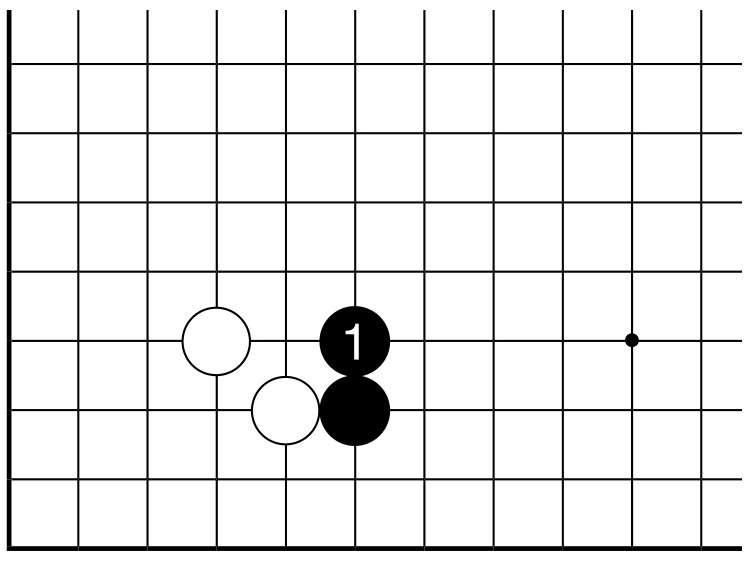
2. Stand. When the chess pieces of both sides come into contact on the sides and on the corner, they follow their own chess pieces to “long” and call them “stand”。
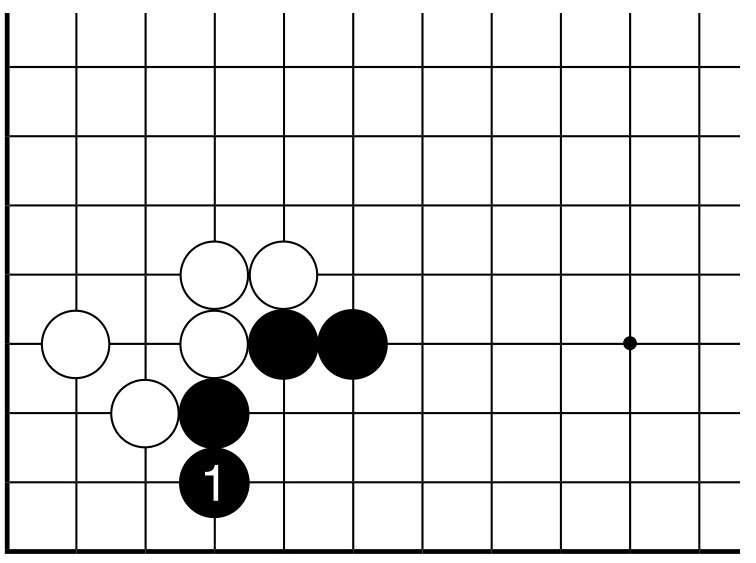
Point 3. The next line on the original piece (i. E. On the squared corner) is called the pointer。
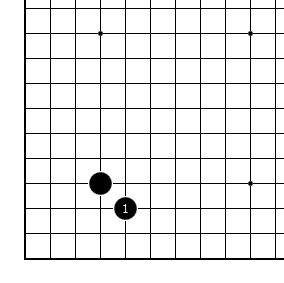
4. Jump. On the same line of the original chess piece, the next line of the road is called “jumping” and sometimes also “off” or “singing” in order to reach beyond the son of the enemy and to enhance power。
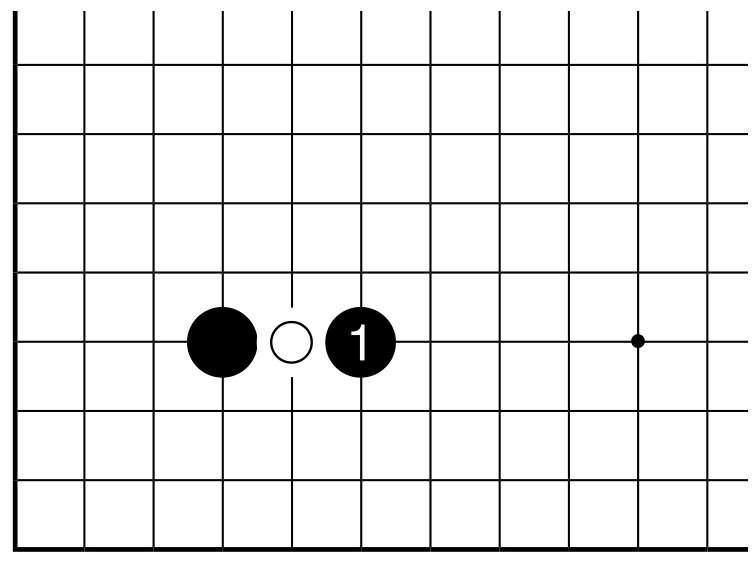
5. Flights. From the original pieces, to the next in the opposite of the "day" shape, it is called "flying" or "flying." more than xiao feido, it's called "big flying" on the opposite of the "eye" font. Some are used to attack the enemy, others are used to defend themselves, and often in the layout phase。
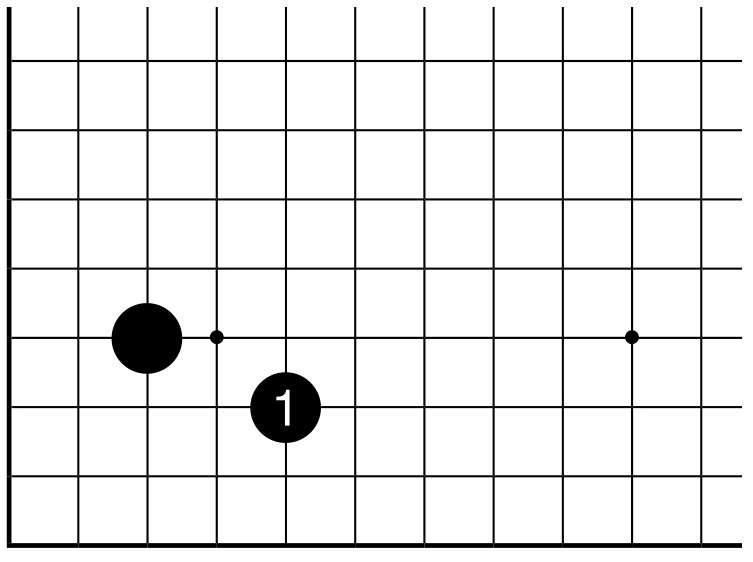
6. Dismantling. From the same line of the original piece of chess, it is called "disassembly" to the left or to the right, between two and three ways and the next of four. Usually there are three roads, four roads or one, and one road. The aim is to develop power as soon as possible. In some cases, the means of dismantling may also be used for the purpose of living with an eye。
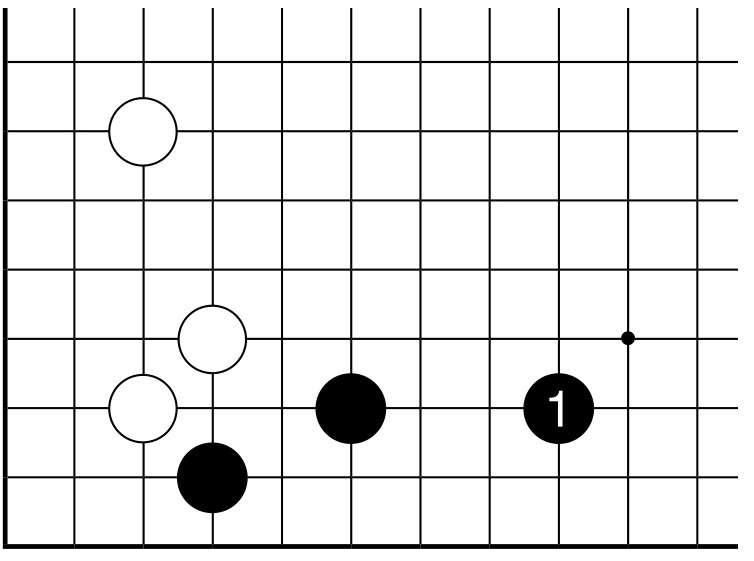
7. Pull. When black and white are close to each other, one side rounds the other side from the angle to the next to prevent the other side from leaving, called the “board”. It's a violent way to twist. Because of the different directions, there is a “dip”, “dip”, “dip”, “dip”, “dip” and “tip”。
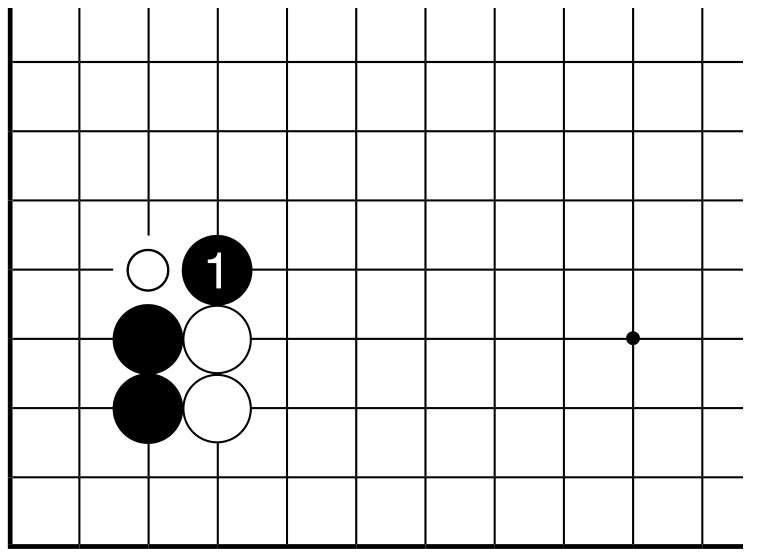
8. Catch. Connecting two unconnected pieces is called "take." also, when beaten, it is called "take" where it may be taken。
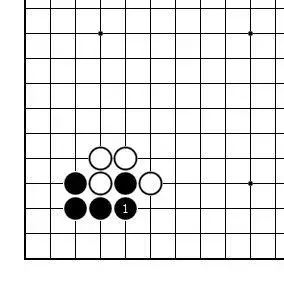
9. Stop. It's also called "stop." it is called “stopping” to block the movement upwards and downwards of the direction. It's a defensive tactic。
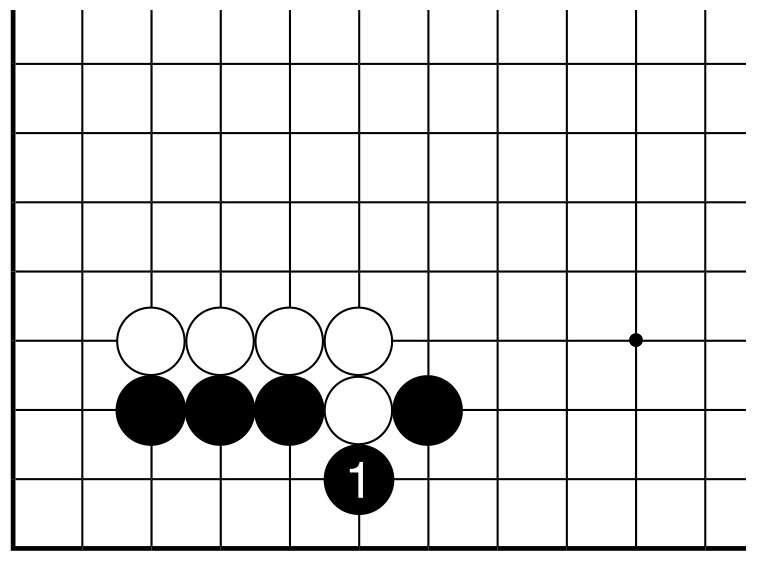
10. Kits. Put one of the other in the middle with two, called the "plug." it is called a real trap in the ancient interpretation, and the two (equivalent to one) are called their own. It's an attack in chess。
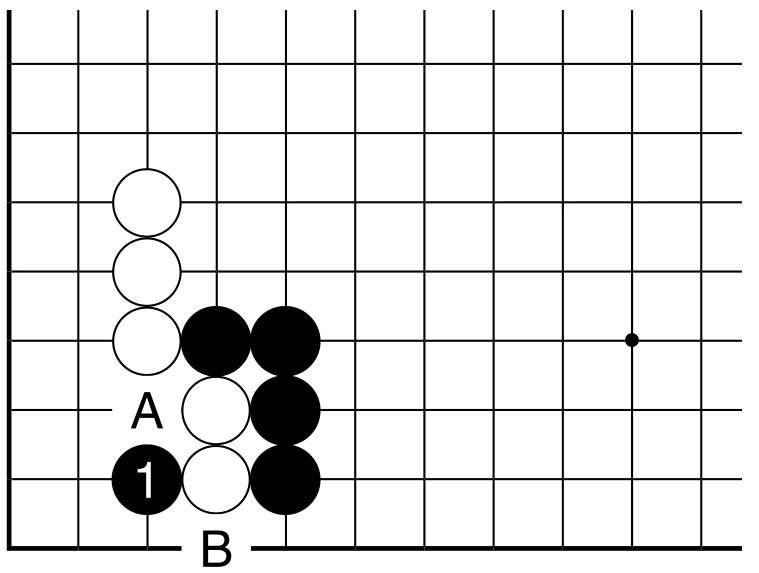
11. Digging. Contrary to the trap, the other side is either in the middle of a tear or in the middle of a single level, called “deep”. They are often used in attacks on the other side or in the treatment of orphans。
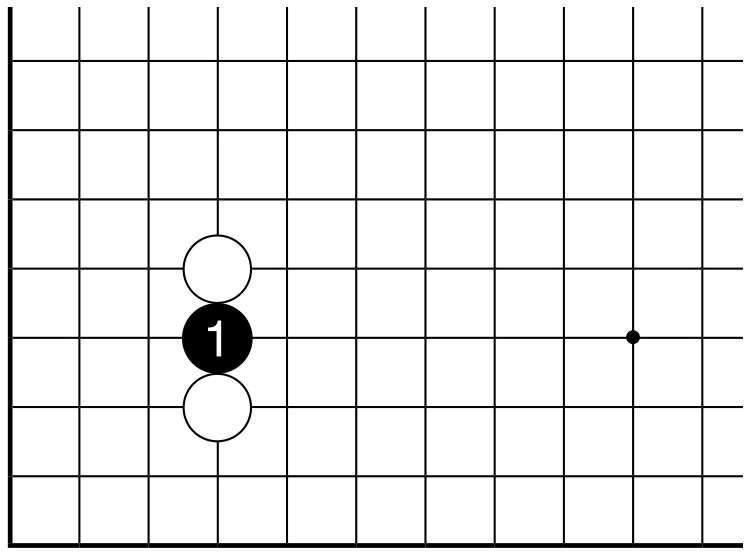
12. Tiger. From the “tips” of the original chess piece to the “tips” of the symmetry to the other side, the pointers are called “the tigers”。
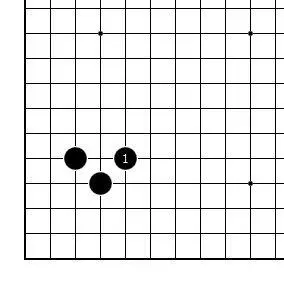
14. Stabs. Aim at the other side's mouth or one of the next, ready to be cut, called the “stabbing”。
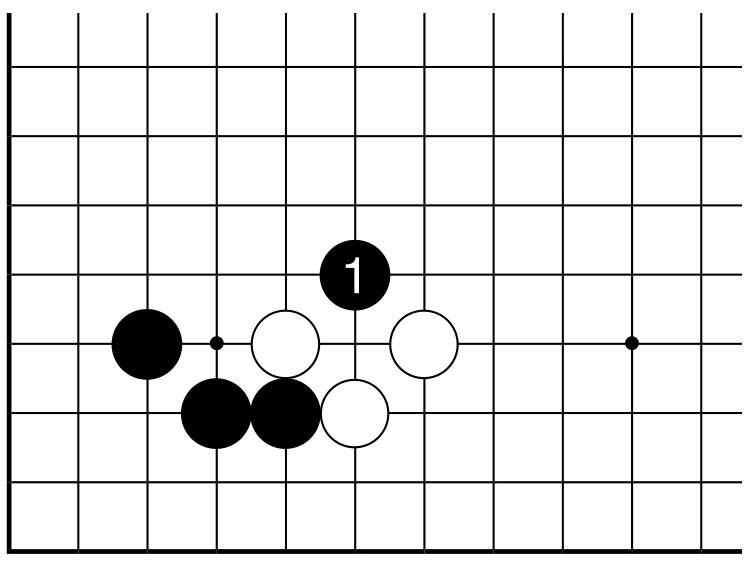
15. Fight. It's also called "steal," "steal." three sides of the enemy (only two sides of the second line of the pole) will be surrounded, and the next one will be extracted, known as “hit”. If eating is limited to one party, it is referred to as a “single fight”; and two places in the same row are threatened with beating, which is called a “double dozen”。
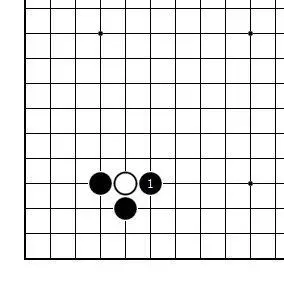
Double. It's also called the bamboo festival. In order not to be cut off from the other side, put your own pieces together (like two " singles" in shapes) called "twos" or "puns"
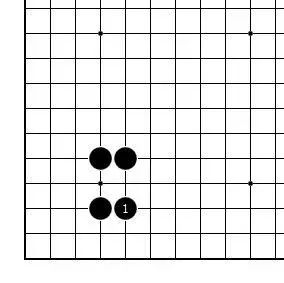
17. Wataru. On the edge of the board (generally under three roads), a piece is placed under each other's pieces, which binds two parts of their pieces together, called "trill"。
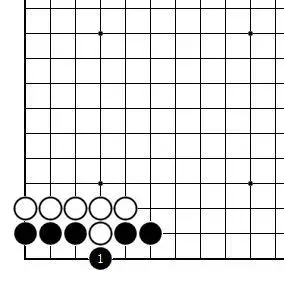
18. Bang. Next to each other's pieces, it's called touch。
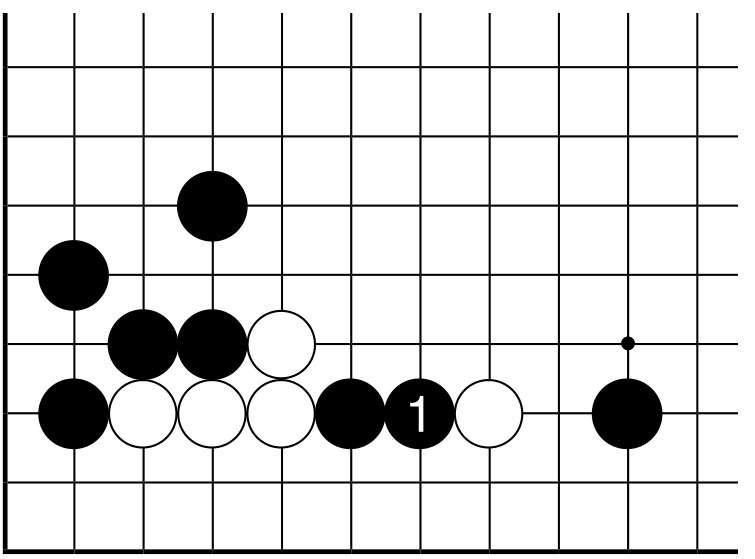
19. Tor. Next to each other's chess, it's called "to."。
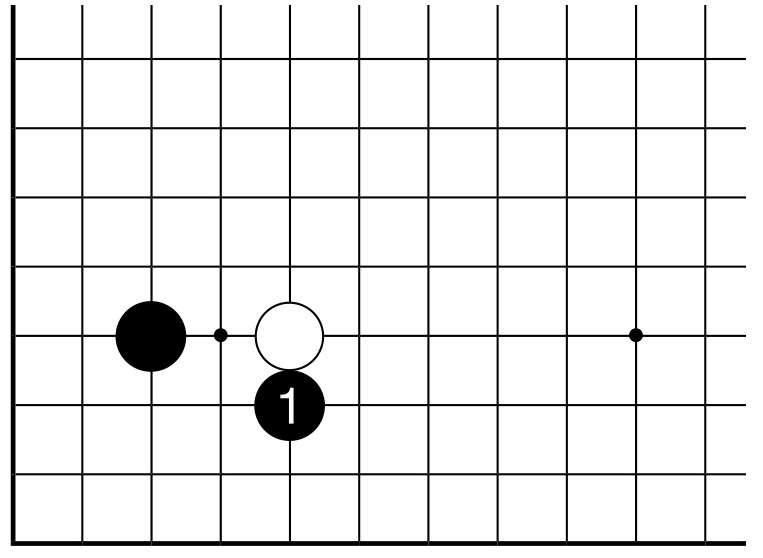
20. Pressure. Next to each other's pieces, it's called pressure。
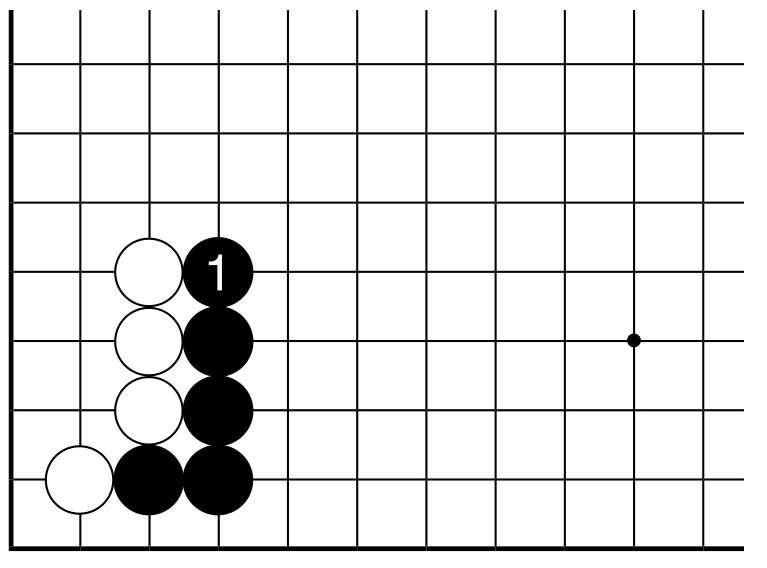
21. Charge. From their original pieces, they flushed to the other side's blanks, called “splash”。
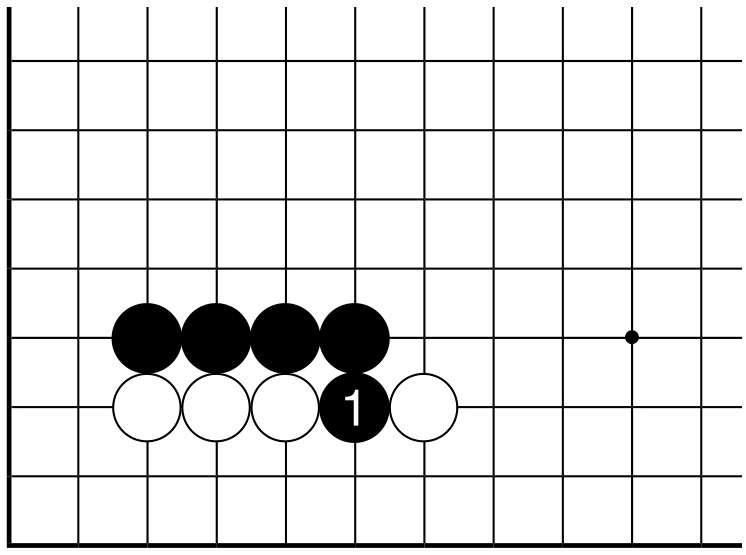
22. Songs. In parallel, on the same line up and down, turn to the other side of the line towards the sub-coast, with the original line in a straight arc, called the "tone". It has the effect of attacking the other side and developing itself。
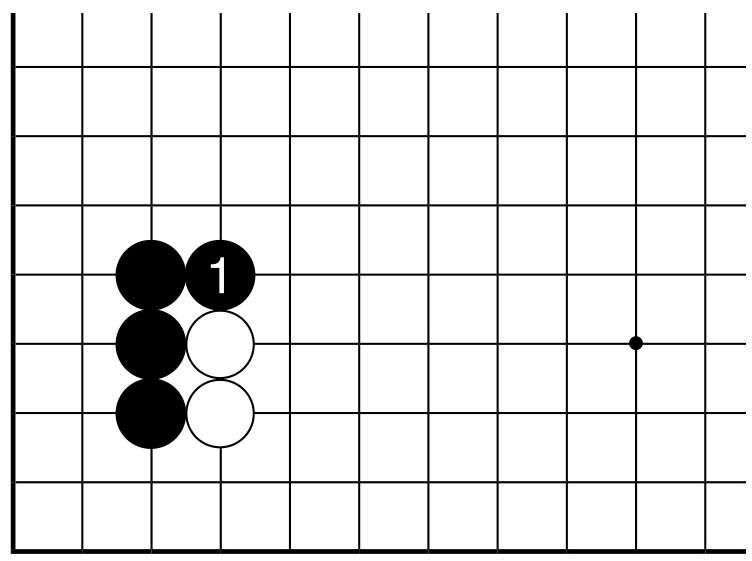
Shit. It's also called "bing." right next to each other's pieces, and they have their own. It's called "shit."。
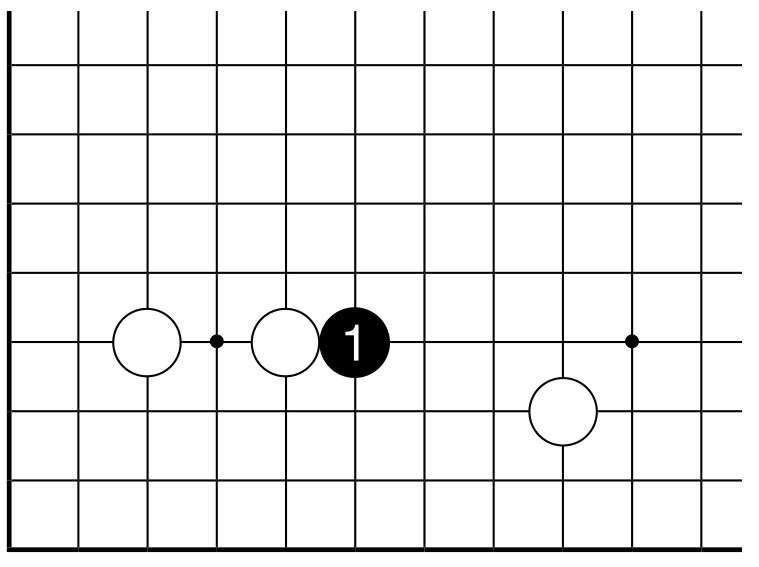
24. Town. On the other side of the line, it's called the town. It means attacking each other and keeping the way out。
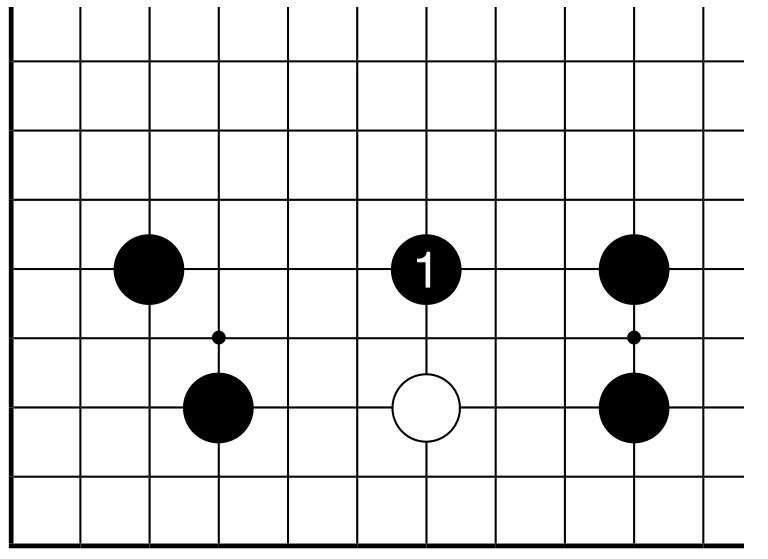
25. Block. In the opposite direction, it is blocked by its head and called “stop”。
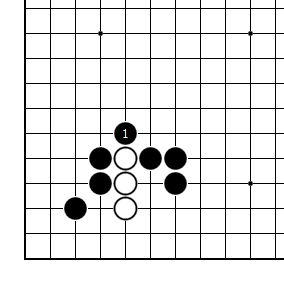
26. Reference. The next one will remove each other's pieces from the plate, called "tip" or "take."。
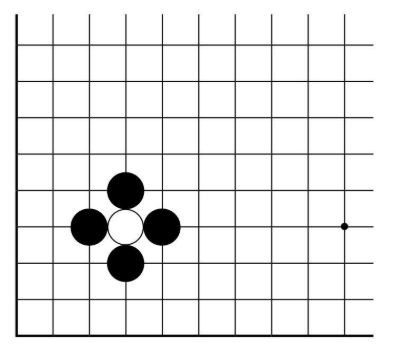
27. Splash. Up and down on the other side's tilt to the point, it's called a "shoulder punch". It makes it difficult for the other side to move forward and to take advantage of it。
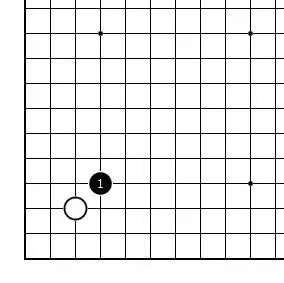
Top 28. It makes its own child a “tip” position and follows each other's chess by the word “tip top”. It protects the field and facilitates the search for enemies. Because of their proximity to the atoms, they are not afraid to break loose, etc., they play both the defensive and the preparatory role。
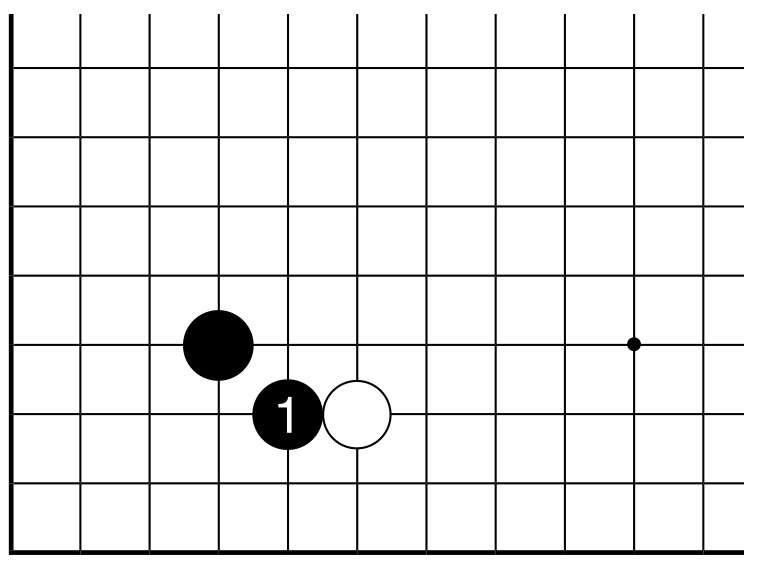
29. Point. The two sides of each side form the son of the child, but are not fully connected to the other side, and are emptied in its hollow shape, called “points”. It's a very aggressive way of depicting each other's vitals。
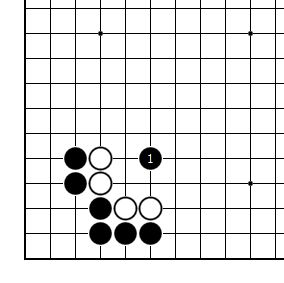
30. Jade. One side has a son on the “four-four” road and a big fly echoes it, but the other side can take it all after the “three-point corner”. For the purpose of preserving the angles, it is called the “joseph pole”. This method also exists on the sides, in addition to the horns. It's for defense, it's for defense. Japan's “contract” is the same, but its application is broader。
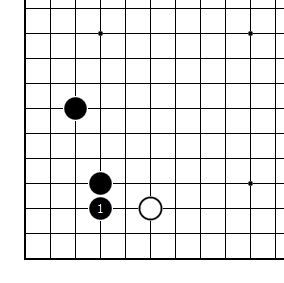
31. Fall back. Those who come into contact with each other extend a child in the direction of their own other subs, called "release"。
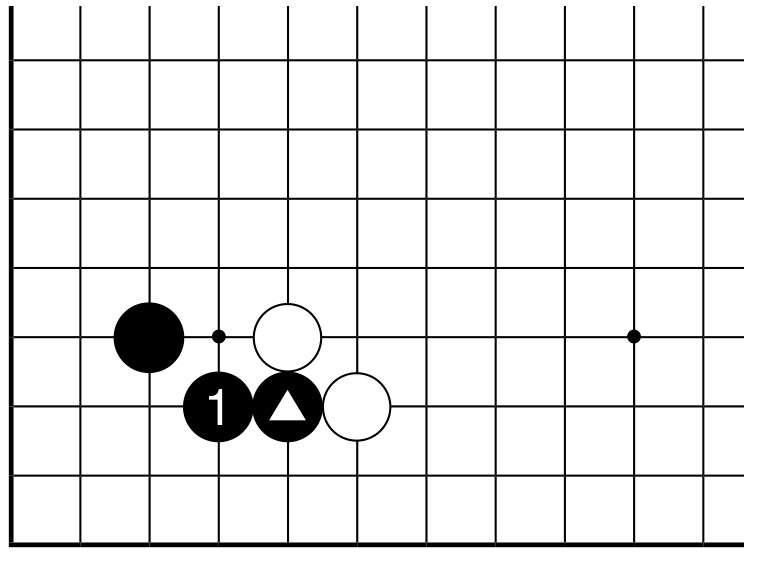
32. Also. And next to your own, it's called "and."。