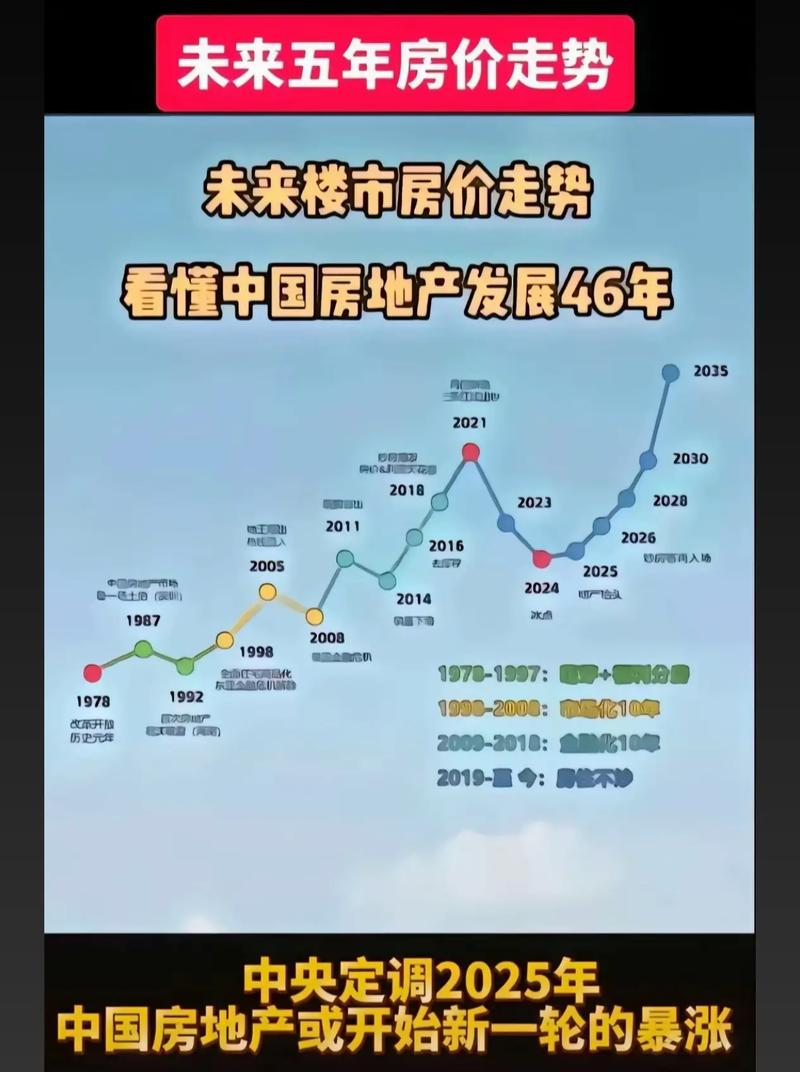
In 2026, it was a crucial year for china's real estate market to “slide back”. After four years of deep adjustment, the industry is shifting from “large-scale expansion” to “quality development”。
But for ordinary buyers, there's only one thing that matters: do i live in a city where the house price is gone
We'll figure it out with up-to-date data and authoritative agency forecasts。
I. Conclusion: a map of house prices in 2026
Urban level
On behalf of the city
Projections of housing price trends in 2026
Key signal
First-line cities
Beijing, shanghai
Steady recovery
The second-hand room was sold for three months in a row
Second-line cities
Hangzhou, chengdu
Structural rise
Improved demand is dominant, and the price of new housing on the core block increases
Normal second-line cities
Tianjin, chongqing
Falling narrow
In exchange, the used room is warmed, but the price is still on the floor
Three and four-line cities
Most municipalities
Keep pressing
Population outflows + high stock levels, with on-the-job housing in some regions
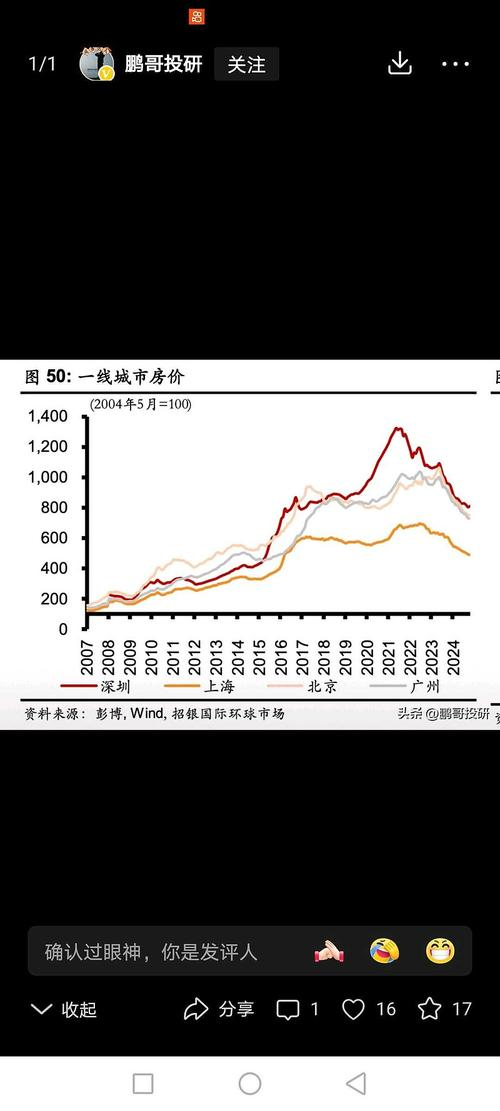
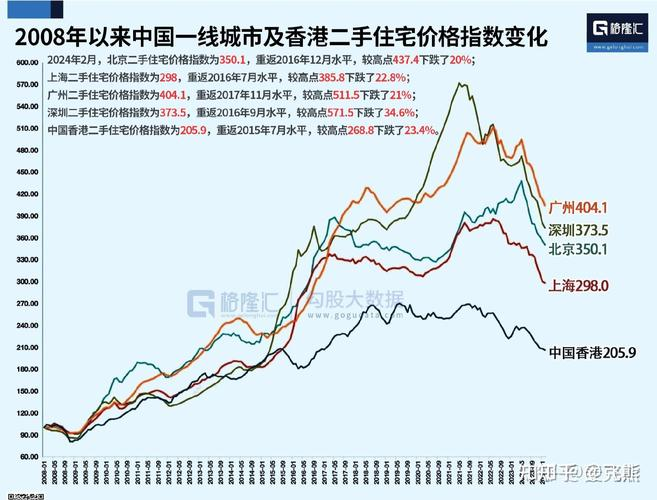
Two, first-line cities: really steady
Conclusion: beijing, shanghai, is approaching the market, and prices are expected to stabilize in 2026。
Data speaking:
Why
Sino-golden researcher states that the stock of second-hand houses in kyoto continues to be optimized, with the deactivation cycle returning to historical stability, with the core driven by a natural decline in the number of registered cards, an increase in the number of withdrawn cards and a steady recovery of the deal。
Post-80/90 impact:
Iii. Strengthen ii city: hang zho, chengdu out of independence
Conclusion: hangzhou and chengdu are the only cities in the 10 largest cities with an increase in the same proportion。
Data speaking:
Why are you so strong
Post-80/90 impact:
Four, three, four-line cities: still falling, partially “rubbered”
Conclusion: cities without industrial support and out-migration, housing prices may continue to fall in 2026。
Data speaking:
Why did you fall
Broadly de-stocked for more than 30 months, supply and demand imbalances have led to the continued return of housing prices to the nature of residence and the loss of investment attributes。
Post-80/90 impact:
Key changes: second-hand rooms are “eating” the new house market
An important trend is the increasing share of second-hand houses。
Why
The supply of new houses tends to be high-end, home-to-house, with more expensive second-hand houses taking on new demand and changing demand。
Post-80/90 impact:
Vi. Policy dividend: how low is the cost of housing now
In 2026, the policy had just been very friendly。
Accounting:
For a set of 1. 5 million house loans for 30 years, the current interest rate saves $640,000 from 2018。
Summary of a chart: room price projections for 2026
Text
Beijing, shanghai. I don't know. Projections 2026: steady, second-hand chambers with high turnover and declining stocks
i'm sorry. Hangzhou, chengdu
i don't know.
│ forecast 2026: structural rise │ improved demand dominated, core plate robust
i'm sorry. Tianjin, chongqing, etc. I don't know. Prognosis 2026: falling narrow, falling narrow, price-for-price, still building bottoms. I'm sorry. Most cities. I don't know.
│ forecast 2026: continued pressure │ out of population + high stock, partially `rubbering'
i'm sorry.
"key change"
the second-hand room is in the middle of a deal. The mortgage rate, two words
Viii. Recommendations for buying houses in 2026: how do different groups choose? If you just needed it
Three or three options not selected:
If you're an improvement
The year 2026 is a quality window period for replacement:
If you're a housekeeper, if you're a young man, it's in the end
In 2026, the city completely departed from the era of “bringing a house with eyes”。
The move in house prices is a new pattern of stable l-based construction and deep structural fragmentation. The first-line cities are stable, the second-line cities are structurally rising, and the third-line cities continue to be under pressure — the 2026 home price map。
After 80, 90, instead of worrying about whether the house price will fall, three questions should be considered:
What kind of house do i need? Where can i grow in the long term? What is my monthly affordability (work/family/life)? "don't be locked in by mortgage."
Think it over. Do it again。