What season does the melon belong to
Whenever the summer comes, the gold and yellow guacamole will always be the focus of the fruit stand. This sweet, juicy melon fruit, which can be a sign of summer fruit, is directly related to the demanding demand for heat and light during its growth cycle. Hammigoa is a classic species of guacamole, whose origin in the xinjiang hammi region is dry and low-rained, with strong daylight and high-temperature weather patterns, precisely shaping its biological properties, which require long periods of high temperatures and sufficient sunlight to accumulate sugar。
From flowering to mature natural growth cycles
The full growth cycle of the melon takes about 90-120 days. Farmers in the xinjiang region usually sow between late april and early may, at a time when temperatures are stable above 15 degrees celsius, which facilitates seed sprouts. After 60 days of growing vines and pollinating female flowers, the fruit enters the swelling period. Between mid-july and the beginning of august, when the netlines were fully fractured and the fruit handle produced an ionosphere, the sugar content of the melon peaked and was the best harvest period for natural maturity. The northern production areas of gansu and inner mongolia are expected to delay maturity until late august due to a mild climate。
How greenhouse technology changes seasonal limits
Modern agriculture achieves the anti-season production of melons through greenhouse technologies such as double membrane cooling, drip wetting and artificial pollination. The regions of shandong and hainan, using solar greenhouses and plastic sheds, are able to grow seedlings in winter, bringing fruit to market early in may. Although they are intact in shape, they tend to be less sweet and more hard fruit due to insufficient temperature. The truly windy natural melon is still concentrated in the hot season of july-september。
Impact of diversity on maturity time
The common "mei" species in the market are smaller, with only 85 days to harvest in mid-june, while the traditional "creas" take more than 110 days to produce a long-lasting amber fruit in august. In recent years, mixed varieties such as "yellow dream cricket" have achieved a balance between early and sweetness through genetic modification, but the odour level is still less than that of the traditional late ripening。
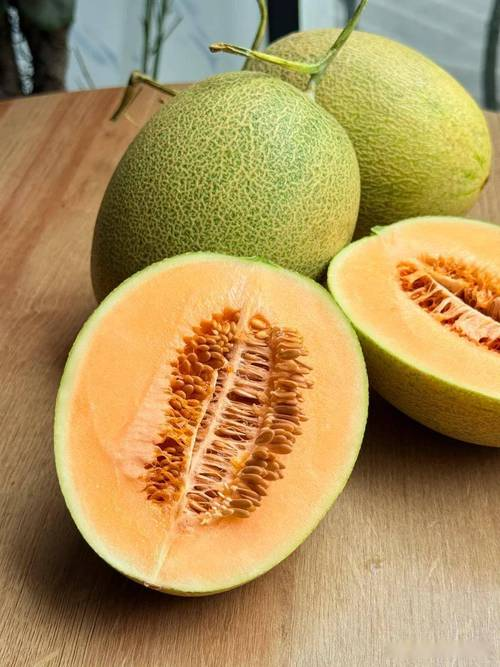
Seasonal specificity of geographical marker products
The period of harvest was strictly limited between 10 july and 20 august, as a result of the certification of the geographical indications of agricultural products in the southern lake-producing area of xinjiang hami city. The region-specific gravel soil and snowwater irrigation, combined with a strong sunlight of more than 12 hours a day, allows sugar to reach more than 18 degrees in the fruit centre, a quality pole that is difficult to reach in other production areas in turn。
Climate change disturbance to the production season
Global warming has led some farmers to try to sow early in the spring in the north-west, but the april run-off risk will still affect sit-in rates. In may 2022, the trump region of xinjiang experienced an unusually high temperature, which led to the "high temperatures" of some of the melon fields, and although the fruits were on the market two weeks earlier, the long-term reduction in their production led to a shortage of odour materials。
Food window for storage technology extension
Low-temperature storage techniques are used to keep the refined melons up to february. However, more than three months after storage in the 0-2 degree celsius environment, cold spots are gradually present in the fruit and the sugar ratio is decreasing. The storage of the melons purchased by consumers during the winter often takes 24 hours for room temperature to recover partially, but the flaring of the fruit has irreversibly declined。
Seasonal gradient differences between regions of production
In our country, the cultivation of the melons shows a marked seasonal gradient: the december seeding in hainan sanya and the harvest in march; the january planting of yunnan yuan, which was put on the market in april; the may profiting results in henan, which matured in july; and the august-september harvest in xinjiang. Despite the year-round availability of these escalators, most of the products before may and after october were grown in large sheds, with a significant difference in quality from natural cuisine。
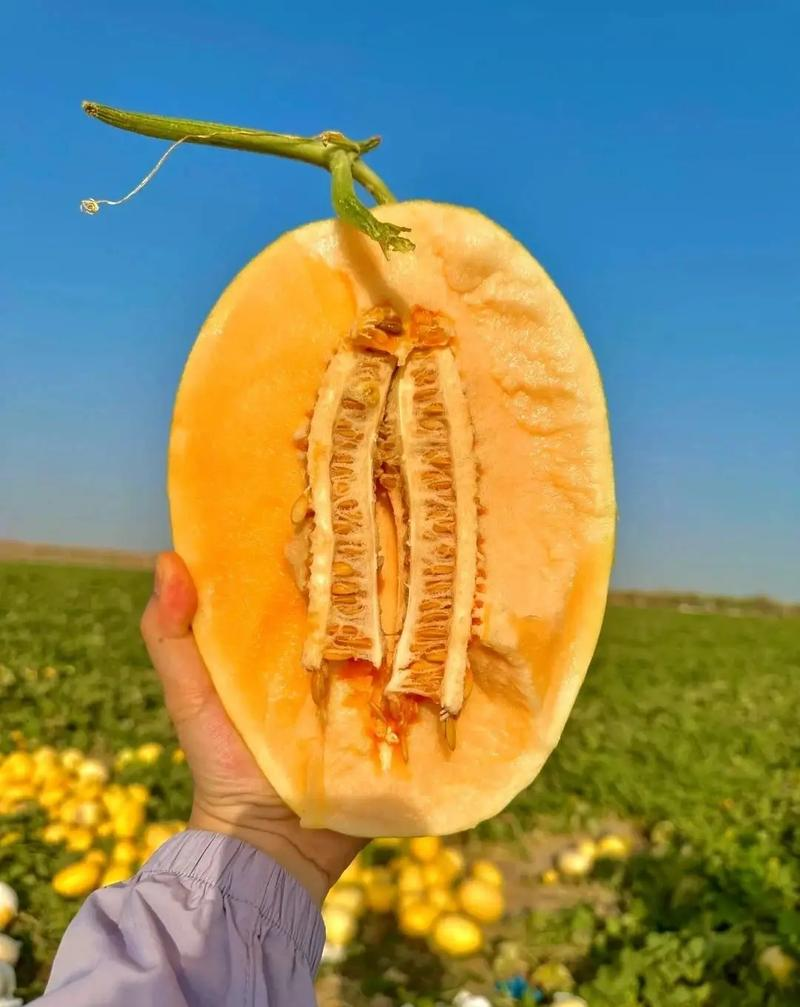
How to identify seasonal and non-seasonal products
The guacamole net is soared that the light-pressed umbilical umbilical cord is resilient that the fragrance of the guacamole is glamoured in the handle; the guacamole is so thin that the guacamole is even and the fragrance is so weak. Cutting off the corrosive meat color is also an important indicator: natural melons have a gradual amber colour, while anti-season melons are more likely to be evenly light orange, and the distribution of sugar is not sufficiently concentrated。
Remodeling the taste of modern agriculture
In order to adapt to anti-season planting, breeders have selected greenhouse varieties that are resistant to low-temperature and weak light, which still produce normal results at 16 degrees celsius at night, but which are about 30 per cent lower than traditional varieties. Consumers will find that the melons purchased during the winter, although sweet enough, lack a sense of hierarchy that combines flowers, honey and fruit。
The correlation between air and quality
The old guanon follows the agricultural pattern of "small sitting fruits, man grows, summer to nets, summer sugar." in melon nuts that mature before and after the summer season, the annual peak is due to the number of days and nights, with a temperature difference of more than 15 degrees celsius, the sugar transformation enzymes are the most active in the fruit meat, and the formation of a sugar fraction structure is more readily understood as "sweet" than simply high sweetness。
Seasonal preference for consumer markets
Wholesale market data show that in july-august, the volume of melons was more than 45 per cent of the year, with peaks in consumption around the seventh holiday. The development of cold-chain logistics has enabled northern consumers to eat melons in the sea in the winter, but market samples show that 75 per cent of consumers consider the melon to be more seasoned and are willing to pay a 30 per cent premium。
The seasonal overlap brought about by globalization
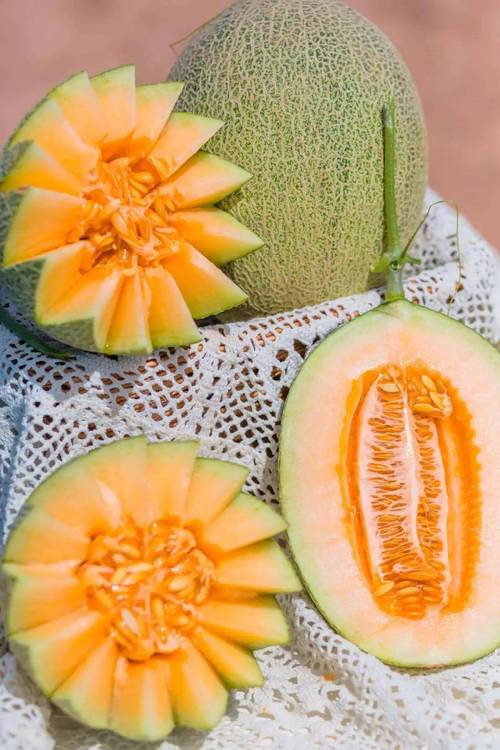
Imports from brazil and honduras, which are counter-seasonal, usually entered the domestic market between november and march. These tropical products, although luminous in shape, have a high water content of fruit and meat, generally below 12 degrees of sugar, as a result of the use of thick skin varieties that are resistant to storage, with a marked difference in flavor from the nationally produced summer and autumn melons。
Time series difference between farmers ' own and commercial cultivation
Xinjiang farmers are still following the traditional "food by day" planting sequence, waiting for the complete recovery of the temperature to sow, 10-15 days later than commercial cultivation. Instead, this seemingly inefficient approach allows the fruit to accumulate a full amount of flavour material. Farmers, although not well-dressed, tend to sell higher prices in local markets。
Seasonal considerations in cooking applications
In the summer season, the melon is suitable for cold foods such as ice-cooled guacamole, fresh juice, which balance acidic formulations with high sweetness; in the winter, the melon store is better suited to cook the guacamole or make honey guacamole, and to turn starch matter into sugar by heating. Specialized cooks suggested that priority should be given to producing high-end sweets, with more than 90 per cent of the fruit matured in august。
Trends in future cultivation patterns
With the escalation of consumption, "delayed planting" technology has been introduced in some production areas, with the deliberate postponement of harvest until late september, exposing fruit to mild cryogenic coercion, thus accumulating more antioxidants and aromatics. This pattern of cultivation, which deliberately pursues quality rather than production, is reshaping the perception of the best food period for the melon。
When we understand the depth of the season, we will see why the old geezers are always waiting for the fruits of summer. The sweetness with the smell of sunshine is not only a gift of nature, but also the perfect crystallization of centuries of farming wisdom and wind and earth conditions. The choice of zenhamigu is both aesthetic practice of the natural rhythm of taste and respect for the essence of quality agricultural products。