The red net news of march 25th (jean yogi, a correspondent) regularly consults patients at maternity clinics, “doc, i lose a lot of hair every day after delivery, will i become bald?” “do i need treatment for postpartum hair?” “do i need medication for postpartum hair?” “do i have any good shampoo advice?”
What's with the postpartum hair? What should we do? The director of gynaecology and gynaecology at the first hospital attached to hunan medical university gave a detailed presentation。
What's postpartum hair
The post-partum period is medically referred to as the post-natal period, which is typical of the acute period of suspension, with a potential period of 8-13 weeks, but may not begin until 7 months after the birth。
The greater the number of births, the more severe it is. Thirty-five to 40 per cent of women suffer from a different degree of loss of hair in the sun, because their hair, like other tissues of the human body, requires metabolism and, if it is not serious, no need for special treatment, usually ceases and recovers on their own for a period of six months to nine months after delivery。
Reasons for post-natal loss
Hormonal level fluctuations
Hair is metabolismed, like other bodies. In general, full replacement is carried out every five years, and it is not easy to remove a hair because normal hair updates are carried out in stages。
The high and low levels of internal hormones directly affect the speed of hair replacement, increasing estrogens and slowing the rate of disempowerment; and decreasing estrogens and increasing the rate of disempowerment。
During pregnancy, the life of the hair was increased by the fact that pregnant mothers had higher estrogens than usual, and the loss of hair slowed down and a large number of hairs were “excessive”。
After the birth, the levels of estrogen in the body dropped sharply, and the hairs of “excessive service” became “retired” and showed a post-partum period。
Emotional fluctuations
The emotional factor is very close to the hair. The pre- and post-natal period is characterized by emotional instability for various reasons. In the face of new life, new mothers are over-stressed and nervous, leading to hysteria in the cortical cortex, leading to neurological disorders in the plant, so that the neuropsychological control of the cerebrovascular vessel can also be disrupted, reducing the blood supply to the scalp, resulting in poor hair and loss. Large-scale loss of hair has led to increased mental anxiety and increased loss of hair, creating a vicious circle over time。
Uneven diet
During pregnancy, the effects of vomiting, anorexia, etc. On diets, breastfeeding, etc., require substantial nutritional supplements for post-natal recovery and baby feeding. Mothers after childbirth lose their hair due to a lack of proteins, vitamins, inorganic salt and trace elements, which affects normal growth and metabolism in their hair, if they have a selection, appetite, digestion and absorption function, and if the diet is too monolithic。
Inadequate head care
As a result of old customs, some mothers are afraid to wash and comb their hair after giving birth, resulting in a corrosive and dusty accumulation of their scalps, which not only affects the supply of blood to the head, but also increases the likelihood of loss of hair by causing haemorrhage or skin infection。
What about the postpartum severe
Get it right. Get it right. Get it right
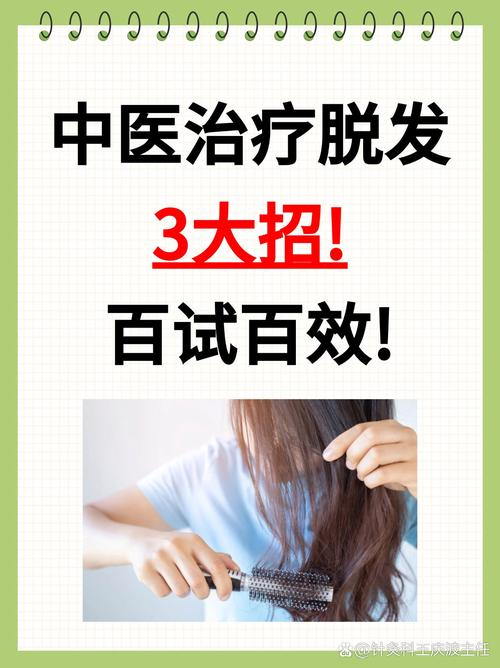
It is a normal physical phenomenon to properly recognize post-partum hair loss. As hormonal levels slowly recover in the body, so will hair。
The family gives mothers more kindness, help, share household chores, help them to remain in a good mood, avoid stress, avoid increasing the degree of loss, and avoid creating a vicious circle that leads to psychosis。
We'll have a balanced diet. We'll have more food for the hair
Mothers ' diets should be balanced, with attention to all kinds of nutritional supplements, more fresh vegetables and fruits, and less greasy and hot food. In addition, more food is available for hair growth。
Animal protein: includes fish, poultry, etc. In particular, sulfur-containing amino acids in meat such as milk, yogurt, chicken, beef and pork can prevent the loss of hair. It is recommended that, after eating protein-like foods, some acidic fruits such as citrus can facilitate the digestion of stomach acid to proteins, produce angular protein in the body and ensure healthy hair growth。
Vegetable proteins: soybeans, black sesame, maize, etc. The soybeans are rich in estrogens, which can, for example, increase hair glitter, bullet power and lubrication, preventing fork or break。
Vegetables: spinach, mountain medicine, herring, celery, chili, green beryllium, etc., green vegetables can aestheticize skin, contribute to the movement of vermin, keep their hair black, and these vegetables are rich in cellulose, increasing their number. Mountain medicine contains abundant dietary fibres that can facilitate digestive system functioning and regulate insulin levels in the body. The frequent use of some mountain medicine has improved the lipid spill。
Seaweeds: seaweed, seaweeds, nematodes, etc. Contain abundant calcium, potassium, iodine, etc. It promotes metabolism of brain neurons and prevents white hair。
Take care of your hair
In the day-to-day period, the skin is more irritated, the hair is washed, and it helps to grow the hair. For example, combing the hair with wood, or a rhythmized massage with a finger, irritating the scalp, can boost the blood circulation of the scalp and facilitate the metabolism of the hair; frequent hair washing can remove the grease stains on the scalp and keep it clean, which can help to keep the skin fresh; and the choice is made to use mild, suitable shampoo items for their own, and to wash their hair regularly。
Chinese medicine
Cinnamon scrawny: 20 g, party membership 10g, twig 15g, thin meat 150g. Skinny meat washes, slices, cinnamon, party ginseng, twigs, and the fire is soaked and cooked. For post-partum haemorrhaging。
Scrambled eggs: crumbs 15g, crumbs 15g, crumbs 50g, eggs 2 and sugar. The drugs and eggs with skin are washed, cooked, pelted and pelted, put into the juice for 20 minutes and fed with red sugar. It is used for post-partum liver and kidney deficiencies and for loss of blood。
Yellow tea: 10 g yellow, 10 g yellow, boiled water, evenly mixed, suffocated for about 5 to 10 minutes and 1 to 2 times a day. It is recommended that yellow sperm generally do not exceed 15 g, or 20 g, and that it may cause adverse effects, such as indigestion, due to the irritation of yellow sperm. It is also used for post-partum liver and kidney deficits and for loss of sperm blood。
Citing jane yu reminds me that post-partum hair loss is a normal physical phenomenon, which, if it is not serious, does not require stress and anxiety and does not require treatment, usually ceases and recovers on its own for a period of six months to nine months after childbirth; that post-partum post-natal hair loss is due mainly to hormonal fluctuations, stress, emotional fluctuations and nutrition; that it should be properly understood to deal with severe post-partum hair loss, to adjust emotions and to avoid panic and anxiety; that the diet should be balanced, with more food that will benefit from a long hair; that the hair should be treated with more care, care, wash its hair and comb its hair; and that chinese medicine should be used, as appropriate。