March 24th, 2020
“world tuberculosis day”
This year's theme is
We'll fight the disease together. We'll keep our breaths healthy
In order to implement the national and jiangsu province plan of action to combat tuberculosis (2019-2022) in earnest, and to further raise social and public awareness of the dangers of tuberculosis, the centre for disease prevention and control in the water district of nanjing city has received an award for knowledge on tuberculosis prevention and control
Timing
21/03-2020 to 24/03-2020
Host
Center for disease prevention and control in the water district of nanjing city
Rule of activity
1. Registration of personal information before answering questions
2. A total of 10 questions of 30 seconds each
3. Those who participated in and responded to 8 or more questions were given one opportunity to extract a micro-credited cash package; each user was given a limited response and could be given an additional response opportunity after sharing the circle of friends。
Call
025-56222303
The final interpretative authority for this event rests with the host
Clean it up
Come on, pick it up
Small knowledge of tuberculosis control
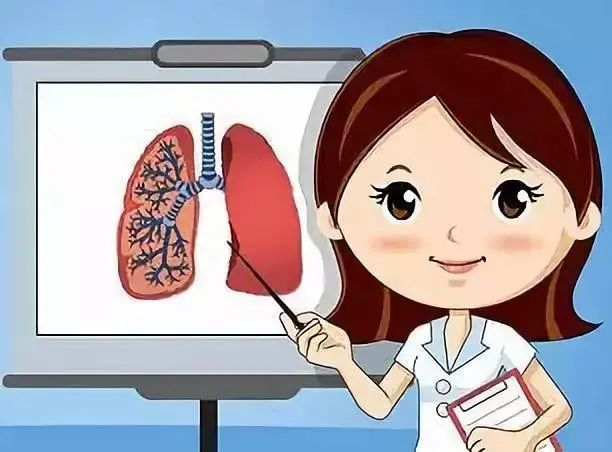
1. What is tuberculosis
Tuberculosis is an infectious disease that is seriously harmful to human health and is relatively contagious, resulting in a strong fear of tuberculosis. With advances in science and technology, more than a dozen effective anti-tuberculosis drugs have been developed, and formal treatment is fully curable if detected at an early stage。
It can enter any organ of the human body, which means that tuberculosis can occur in all organs of the human body, but it is transmitted mainly through the respiratory tract of the human body, so that tuberculosis occurs in the vast majority of cases of human infections
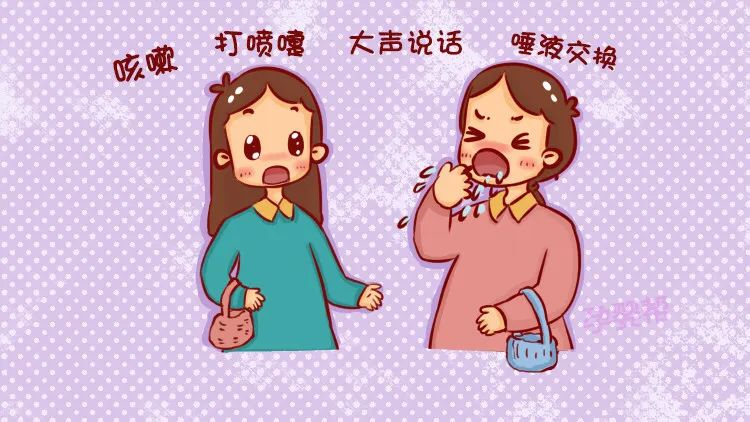
2. How does tuberculosis spread
Tuberculosis is transmitted mainly through the respiratory tract and when patients cough, sneeze, speak loudly or spit, it is excreted from the fumigation and glucosis with tuberculosis cactus, resulting in microdrops floating in the air and inhaled by others causing infection. Persons with long-term close contact with tuberculosis are highly likely to be infected. A tuberculosis patient may become infected with 10-15 new patients per year (or more). However, not all persons carrying bacillus tuberculosis have an outbreak。
The body of some of those infected with the latent virus automatically removes the fungi, and the situation of more people with the latent infection lasts for years or even forever, which is closely related to the immune status of the organism. In the case of persons in the tuberculosis latency period, bacillus tuberculosis is in a state of hibernation in the human body, is not active and is not contagious。
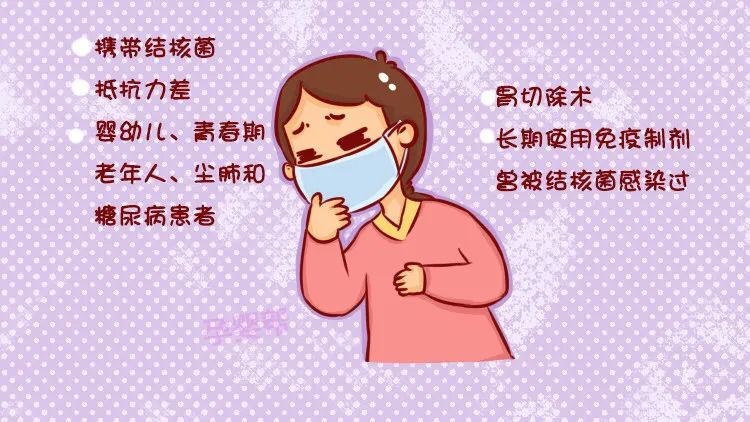
3. Which groups are high tuberculosis
Tuberculosis is a chronic, slow-onset epidemic among young people, which can occur in four quarters of the year. Adolescents between the ages of 15 and 35 are at the peak age of tuberculosis, with a four- to eight-week period. In addition, children, the elderly, and those with low resilience are more likely to suffer from tuberculosis infection. Chronic patients such as people living with hiv and diabetes are also at high risk。
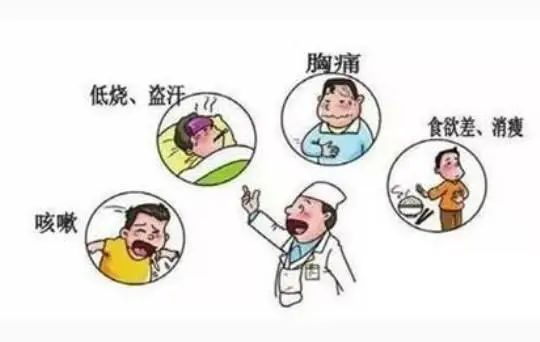
What are the symptoms of tuberculosis
Clinical performance is diverse, early symptoms are light and unusual, and can easily be confused with other respiratory diseases, such as bronchitis and pneumonia, which often lead to delays in access. Coughing, coughing, chromosomes or filaments are the main symptoms of tuberculosis, in addition to chest suffocation, chest pains, late afternoon fever, night-time sweating, overall weakness, atrophy or weight loss。
At this point, we also need to identify with the recent outbreak of "new coronary pneumonia":
The pathogen is different: tuberculosis is the result of bacterial tuberculosis infection, which can be identified through bacterial testing. New coronal pneumonia, on the other hand, is the result of new coronary virus infections that require viral nucleic acid testing or virus genetic sequencing。
Symptoms: tuberculosis is common in coughing, coughing for more than two weeks or blood in the crotch, in addition to low fever, sweat theft, weakness, chest pain, poor nutrition and wasting. New coronal pneumonia is mainly manifested in high fever, low strength and dry cough, with gradual respiratory difficulties, with some patients showing diarrhoea and abdominal pain。
But strictly speaking, clinical symptoms of tuberculosis and new coronary pneumonia can be very similar, with fever, inactivity, cough, etc. Being common to them, it is difficult for ordinary people to distinguish, often requiring a series of laboratory tests to distinguish. It is therefore recommended that, if you have the symptoms described above, you go to a doctor’s office as soon as possible to make a professional assessment so that you can treat them promptly。
6. How to prevent tuberculosis
The prevention of tuberculosis is, above all, to avoid the spread of foams; free vomiting, ventilation, masking and hand-washing are effective measures to prevent tuberculosis。
(1) active detection and cure of tuberculosis patients. In case of suspected cases of tuberculosis detected, medical institutions must provide timely feedback, and patients are required to check at local tuberculosis sites and receive regular treatment。
(ii) the living room is often ventilated and the indoor air is fresh。
(3) to develop good hygiene habits, covering the mouth and nose with tissues during coughing and sneezing, and to prevent tuberculosis fungus from infecting others through foam。
(4) increased physical activity, regular living, improved nutrition, increased physical resistance and minimized morbidity。