


It's affected by typhoon plum
Shanghai is going to rain for a few days
If there was a dehumidifier
It can reduce environmental moisture
How do you choose to buy a dehumidifier
The method of operation of the dehumidifier
Common dehumidifiers, depending on their working principles, are typically classified as condensed dehumidifiers and rotary dehumidifiers. Among them, rotor dehumidifiers can achieve very low humidity, usually in professional settings, and domestic dehumidifiers are generally condensed in the same way as air conditioners。
The dehumidifiers are used to remove moisture from indoor humid air in the home environment in order to obtain a comfortable indoor humid air environment and reduce the risk of wet air to interior fittings and other vulnerable items. The current market for dehumidifiers is mainly desktop-based, usually with rollers or lifting hands to move。
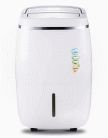
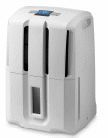
Typical domestic dehumidifier products
An air conditioner has dehumidisation. Do you need a dehumidifier
It is true that home-based air conditioners can be dehumidised, but have no flexible dehumidifiers. The working temperature range of the wet-deficit machine is wide and generally works normally within 5 ~ 32 °c and produces only a small amount of heat in the course of the work, which does not cause a significant temperature change in the room. In addition, domestic dehumidifiers are generally mobile and can be easily placed in different rooms for wet removal work, or used in cloakrooms or closed balconies for dry clothing。
What do you think of the wetting effect
Dewetting and unit input power dewetting are two important performance indicators for dewetting machine products。
Wetting is an indicator of the high and low deweage capacity of dewetting products under the standard temperature test and, in short, the amount of kg dewetting per hour for dewetting machines. The size of the dewetting amount is mainly related to the product specifications designed by the enterprise, and users can generally select a dewetting machine at a rate of 0. 2 kg/h per 5 square metre (ca. 5l/d)。
The unit input power dewetization is an indicator of the efficiency of the work of the dewetifiers, which intuitively explains the amount of kg of electro-wetting per dewetation consumed by the dewetifiers. The amount of unit input moisture is also related to the specification size and structural form of the product, but the greater the overall amount of unit input power dehumidity indicates the greater energy efficiency of the product and the higher level of design of the enterprise concerned in product optimization, particularly in refrigeration dehumidisation systems. Some brand dehumidifiers do not directly indicate the value of the power dewetting input unit, which can be justified by the ratio of dewetting and power。
How to select and maintain
Wet-exception products are selected on the basis of the size of the pre-emption space, combined with branding, wet capacity, noise indicators, appearance patterns, etc. Issues to be noted in the selection process include:
The product should be a cc-certified product
Noise size, any noise
Whether filters and water tanks are easily removed or installed
If a connection to the drainage pipe is required when used, then see if the drainage interface is easy to install。
For consumers who like to buy products through grid buying channels, greater care should be taken not to be attracted by so-called low-price promotions, taking into account a combination of product performance indicators, brand credibility, after-sales services, etc. In the area of branding, it was suggested to choose the brand of exclusive de-wetting machines or the famous brand of home appliances, especially mainstream air conditioners。
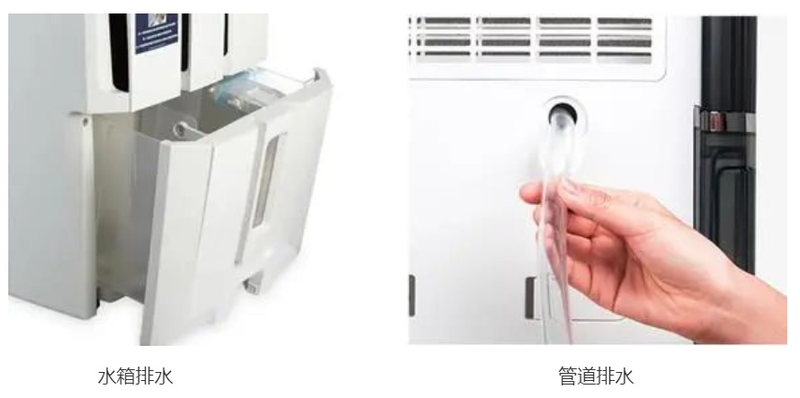
The maintenance should be focused primarily on drainage, with the general dehumidifier having two types of drainage, and the tank or pipe being drained continuously, depending on the place of use. Water tanks are sufficient for short-lived use, and if they need to be used continuously at a particular site (e. G., basement), they may choose to drain a pipe, while ensuring that the pipe is well drained to avoid flooding。
In addition, when clothing is dryed using a dehumidifier, clothing should not be covered directly in the vent of the dehumidifier, nor should the dehumidifier be placed directly under the wet clothing so that dripping on the clothing into the dehumidifier poses electrical safety problems。
Finally, when the dehumidifier works, the heat exchanger, as it produces condensed water, which is not fully integrated into the water tank or drained, accumulates in the water catchment, the wet environment is prone to the growth of pathogenic microorganisms such as bacteria, and the accumulation of dirt is prone to osteogenic problems, so that the daily use of wind blowers is appropriate to dry up the water in the heat exchanger and sink。



