Practical music in common languageA few days ago, a post was unwittingly viewed, and there was a hot-hot discussion in the comment area about the “fixing” of the “first tune”. Remembering that one student had asked me the same question, i thought he had nothing to say. It's a little hard to understand. Write it and say it today。
In fact, chinese is the best and most difficult language in the world, and the word “hard” is recognized by foreigners, so you can say the chinese test. It is difficult for you to say that all of these years of tests in english are just a matter of time。
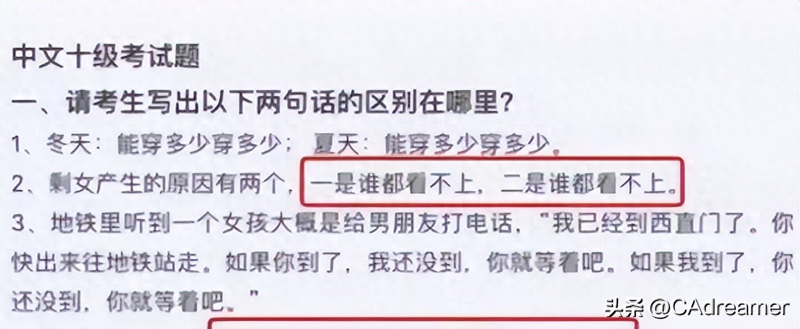
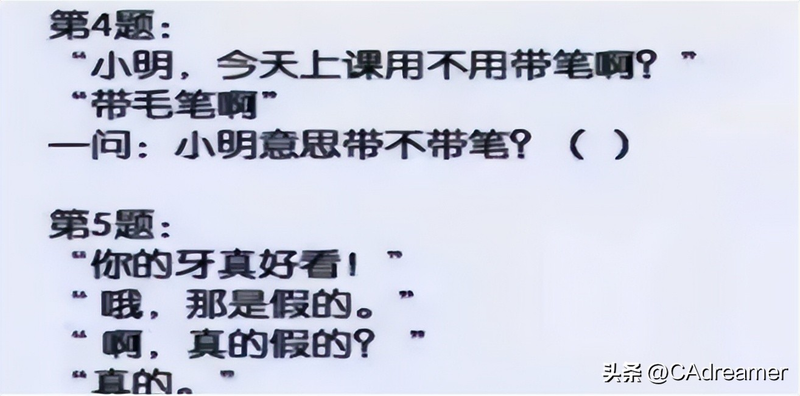
But we chinese, don't be so convoluted
The word "fixed" means "fixed." the word "pretty" means "fixed". Deeper, the five-lined, the fixed, the short-sync, the first! Use a flat tone when you're playing absolute high, and a first tune when you're on top
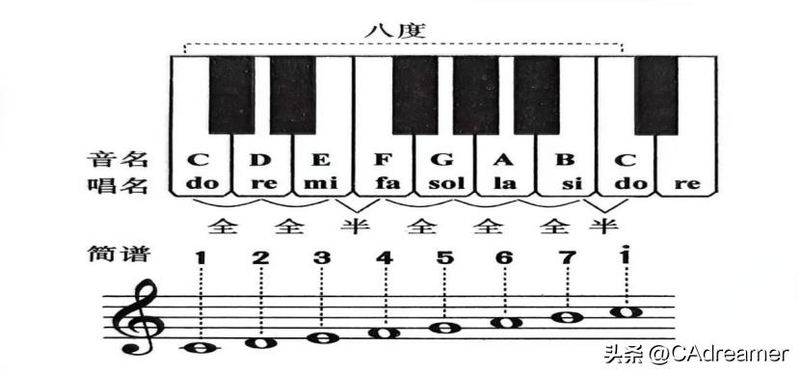
It's the same thing on the piano keyboard, and no matter how high the tone changes, the student listens to the sound, remembers what he hears, and whenever the same key goes, sings the song, the name, no matter how the number changes, that's the absolute sound, and that's the best way to train the ear before the child is eight years old。
I said three times in bold, no matter how it changes, that's to remind you that the "fixed" "head" has something to do with the concept. The fixed tune is no matter how it changes, on the score. The name and name of the note on the keyboard remain unchanged. So, the first tune is the tone of the song. When the number changes, the name changes;
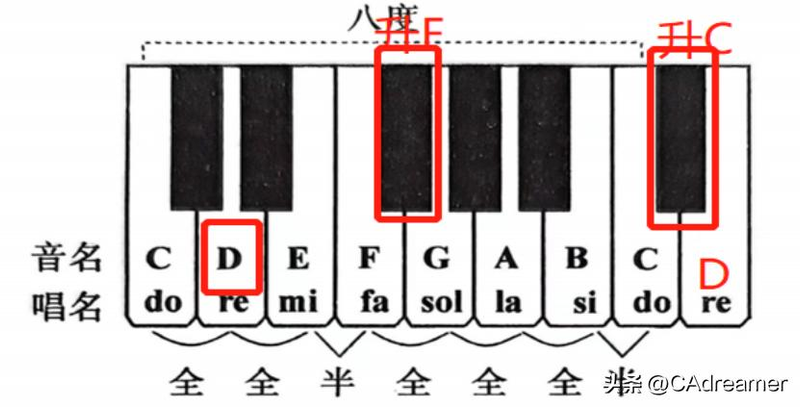
Take this d-post, for example. This is the "d" key that always sings "re" and the "f" key that always sings "fa" even if it's two ascend marks, "d" and "d" and "no." it's "fixed." well, the first, the first, the first, the second, the second, the second, the second, the second, the second, the second, the second, the second, the second, the first, the first, and then the next. As follows (see blue sing):
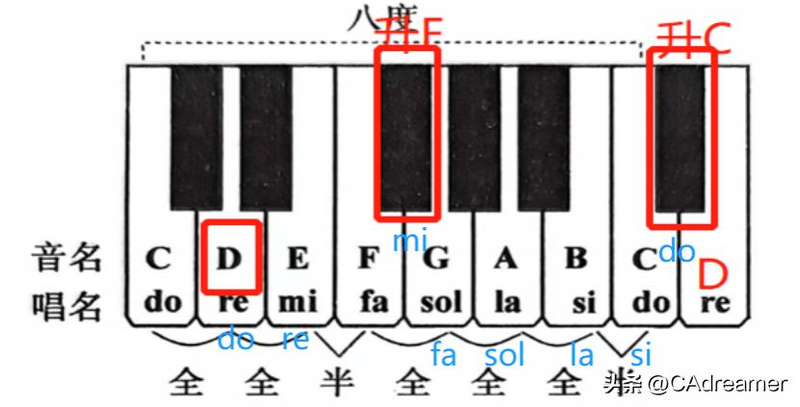
Look at the blue part, the singer goes with the doo = d, and now the d is going with the re-sing, and both mi and do are going with the black key. One =d's head moves, and then it moves, and that's the head, and that's the head, and that's the head, and that's the letter, not too much! So it's easy to sing with a first tune, different numbers, different locations for doo, and then change. Like songs:
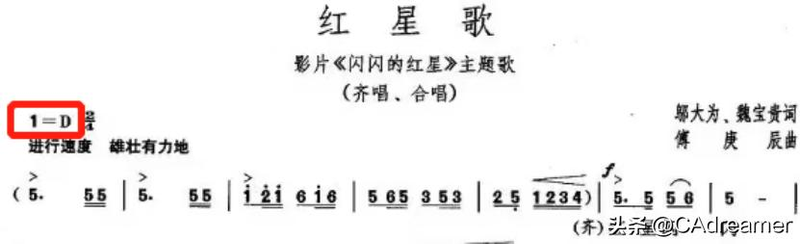
It's not the absolute highs, it's the relative highs, it's the established distance, it's the "all-and-all" range, and it's the highs, it's the relative highs。
All right, let's ask again. Why do you have to make a "fix" or two? Alas! Heger says: 'since there is reason.' the piano is fixed, the five-line spectrum is a very intuitive high and low position, and when the sound goes up, the hand runs to the right of the keyboard; when the notes go down, the hand goes to the left of the keyboard. One-on-one, "old-on-one" and it's very direct, it's almost instinctive, so look at the boy's work on the piano, it's like a finger, it's not an eye. That's the advantage of a fixed tune。
If you look at the top of the tone, the headline concept is used. So just remember that c's tone is "all and all" and that's all. How the tune changes, do-fa, it's half the distance; re-si, it's half the volume, it's the relative high. It's the absolute height and position of each sound, and the first is the distance between the sound and the sound, so it doesn't matter if you don't learn the five-line spectrum or the piano, you can still sing, so there are more singers and more singers. Human beings never fight with themselves, how can they come, how easily they invent anything, how wise they are
So do you want to learn to sing? Do you want to know, especially now, how many songs are being written, how many musics are changing, and how you like to keep the "dazzling" tunes, as if you can't show that the composer is a read cultural person for a while, and look at "i love you china." any music? Any music? You can sing as a si-do and think of this high distance. One more word, we have many ethnic typologies that need to be used both in “fixing” and “prior” so if you want to know, if you have time, or if you both learn, i teach students both to learn together and in parallel
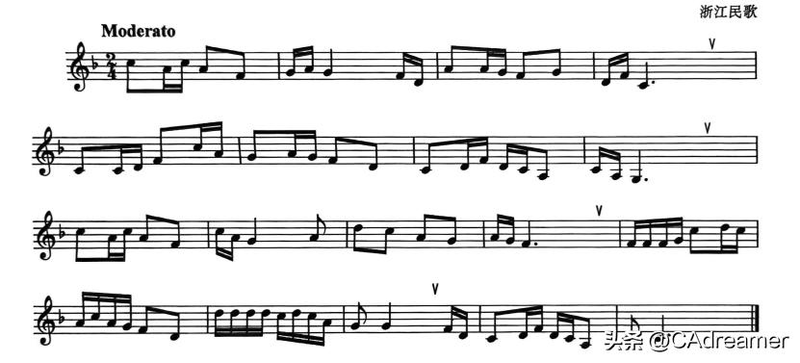
Zhejiang folk song is "c" style. "c" is the concept of a fixed tone, and the symbol is the concept of a first! It's always good to learn more and more! The more you use your brain, the better
What do you think after reading
#five spectra # musical knowledge # arts examination # musical knowledge # sound learning # musical basics #