"can a little less smoke really reduce the danger?" a lot of people think it's too hard to quit smoking completely, so let's cut a few. The question is, is it really useful to reduce smoking
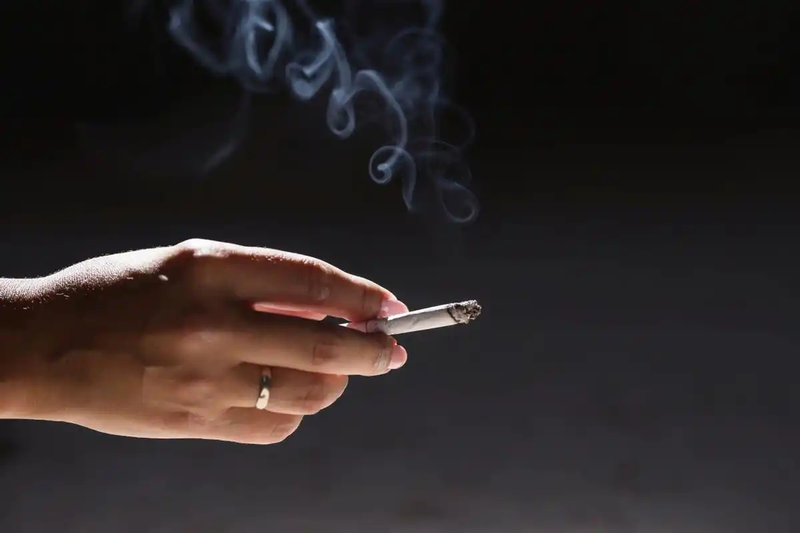
The answer may be beyond your imagination. Data show that while reducing smoking can reduce risk to a certain extent, it is far from complete cessation! Even small quantities of smoking can still cause serious bodily harm。
Is it true that smoking is less harmful
Many smokers feel that one or two cigarettes a day should be much less harmful than a pack of cigarettes. Sounds reasonable, but it's not。
According to a smoke control study published by the national commission for health and health, even if only one cigarette is smoked per day, the risk of cardiovascular disease is 48 per cent higher than that of non-smokers. And five cigarettes a day, lung cancer is 2-3 times higher than non-smokers
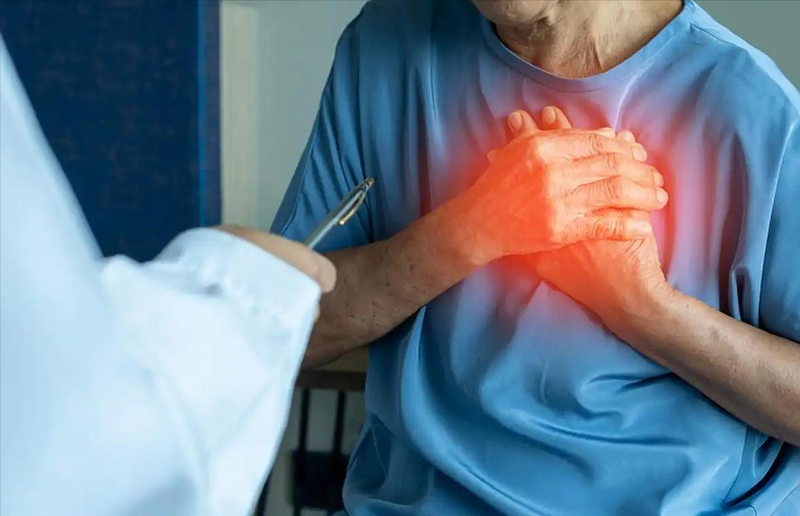
The hazard of smoking is not simply a “quantification to qualitative change”, and even a little less can cause irreversible bodily harm。
Reminder: while there are some advantages to reducing the amount of tobacco smoke, the harm to the body caused by smoking cannot be fully offset。
Is there any relief in controlling this amount
Does reducing smoking mean anything? The answer is -- it means something, but it's not enough
Studies have shown that halving smoking can reduce the risk of death by about 25 per cent for those who smoke more than 20 cigarettes a day. But this does not mean that it can be reduced to “safe” levels, because there is no real “safe value” for smoking. The following is a simple comparison of smoking and health risks:

:: one to five cigarettes per day: the risk of cardiovascular disease is significantly higher and the risk of lung cancer remains。
• more than 10 cigarettes per day: cpr functions are severely affected and risks such as slow lung resistance, lung cancer and heart infarction are significantly increased。
• total cessation of smoking: the risk of lung cancer has declined to near average levels after 5-10 years。
Key knowledge points: the hazards of smoking are cumulative, reducing the amount of smoking can only reduce it slightly, and a complete cessation of smoking is fundamental。
Why is it still dangerous to smoke in small quantities
Many have misunderstood the dangers of smoking, arguing that only “too much” can hurt. But even a small amount of smoking can cause harm to multiple systems of the body。
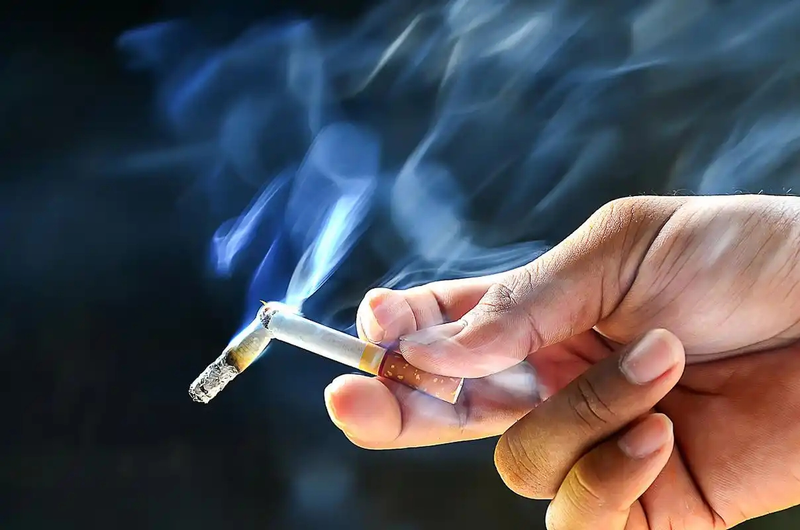
(1) there is no “safe value” for the effect of smoking on blood vessels
When smoking, nicotine and carbon monoxide in tobacco enter blood, causing blood vessels to contract, blood pressure to rise and speed up arterial sclerosis. Studies have shown that even one cigarette a day can significantly increase the risk of heart infarction and stroke。
(2) the injury to the lung caused by smoking is “accumulative”
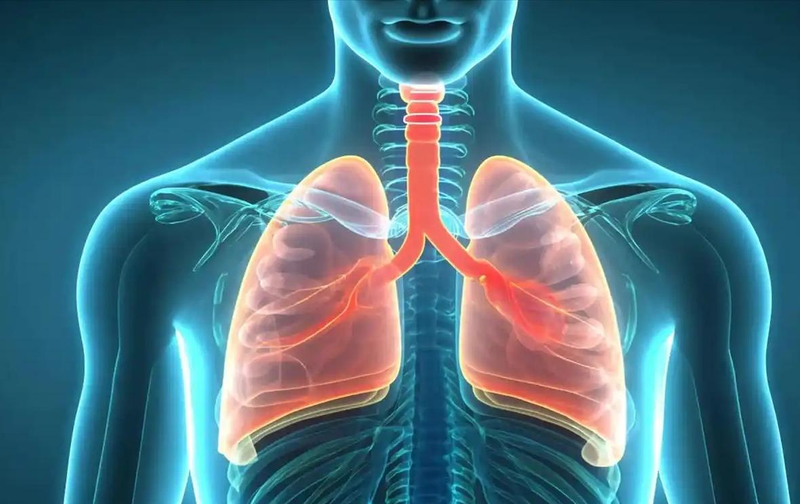
Harmful substances in the smoke directly damage lung bubbles and cause slow lung and lung cancer. Even when smoking is low, lung damage accumulates, especially among long-term smokers, and the decline in lung function is irreversible。
(3) “small smoking” may lead to “compensatory smoking”
Some people who reduce the amount of smoke will inadvertently deepen the inhalation of each cigarette or prolong the smoking time. Instead, such “compensatory smoking” increases the intake of hazardous substances and reduces the significance of reducing smoking. Even by reducing smoking, cardiovascular, lung and cancer risks cannot be fully avoided。
You want to quit smoking and you can't? These three ways help you
A complete cessation of smoking is indeed difficult, especially for long-term smokers. But it's not a “step-by-step” thing, and there are scientific ways to help you move away from tobacco dependency:
(1) attempted nicotine substitution therapy
Nicotine substitution therapy (e. G. Nicotine stickers, gum) can help reduce physical discomfort in the early stages of cessation and smooth the transition to complete cessation。
(2) seeking assistance from a specialist doctor
The guide to tobacco control issued by the national commission for health and health recommends that persons who have given up smoking can receive professional support through smoking cessation clinics, including medication and behavioural interventions. The success rate of science quits more than triple that of willpower alone

(3) search for “alternative conduct”
Many smoke because of habits, not biological needs. Alternative behaviour, such as drinking water and chewing sugar without gum, can alleviate the discomfort of tobacco addiction and help to gradually reduce smoking。
Reminder: the cessation of smoking is a gradual process and scientific cessation of smoking can significantly increase the success rate。
5. Reducing smoking could be more beneficial than you think
Although reducing the amount of tobacco smoke will not completely eliminate the harm, it still has some positive effects, especially for long-term smokers:
• improved respiratory function: reduced smoking can mitigate the symptoms of slow lung-retarded patients and reduce respiratory difficulties。
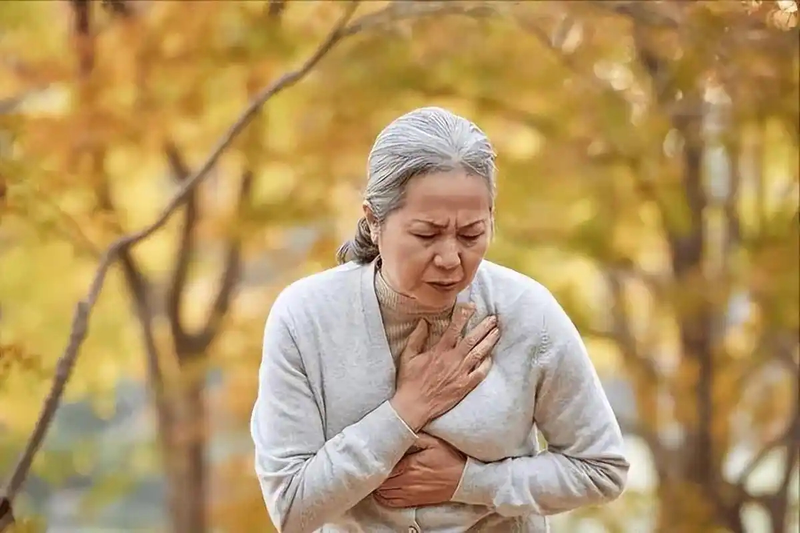
• reducing the risk of cardiovascular disease: reducing smoking can reduce the long-term pressure of the vessels and reduce the risk of haemobation。
• improving the success rate of smoking cessation: a gradual reduction in smoking is an important step towards a complete cessation of smoking, helping to adapt to a “smoking-free” state。
Key knowledge points: reducing smoking is an important step towards cessation, but not as a “long-term programme”。
Less smoking than quit smoking completely. Let's go
Reducing smoking is indeed an improvement, but it is far from sufficient. No “safe” smoking, even one cigarette, can cause bodily harm
The sooner we quit smoking, the greater the likelihood of physical recovery. Whether it's a scientific way to quit smoking or to adjust life habits, today it starts to change its health