Last month, the central bank of russia raised the benchmark interest rate by one percentage point, to 8. 5 per cent, the first since the russian-uu post-conflict emergency measures, and the central bank has been implying the need for further increases。
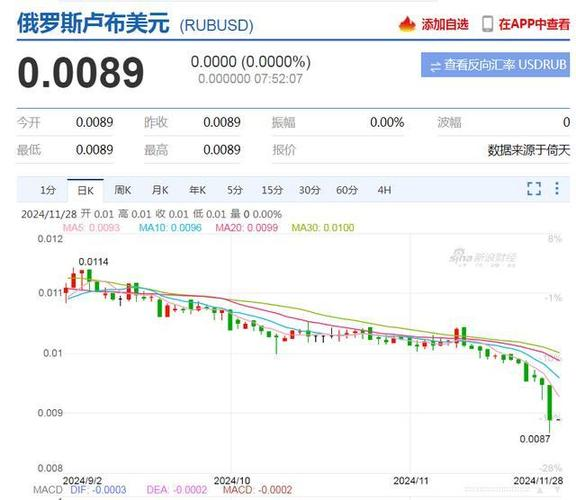
The rouble exchange rate has become a barometer for measuring the health of the russian economy. Since the beginning of the year, russia's trade surplus has declined sharply, and the west has contained the ability of the moscow side to make huge profits by exporting oil. Inflation was rising, and the russian government had to support the economy by borrowing its debt。
The collapse of the ruble shows that the financial anxiety of the russian economy is increasing. In most respects, western sanctions weakened the russian economy, but ultimately the country found a way to deal with western sanctions。
Looking forward to strong rubles
On monday, russian president vladimir putin’s economic adviser, maxim oleskin, published an article in tasmane, in which he said that russia wanted the rubles to be strengthened, that the rubles’ exchange rates were now seriously off the ground, and that normalization was expected soon。
Oleshkin accused that the main reason for the weakness of the rouble and the acceleration of inflation was the loose monetary policy of the russian central bank. “all the instruments available to the central bank of russia can quickly normalize the situation and ensure that interest rates on loans are reduced to sustainable levels.”
On monday, senior russian parliamentarian andrei klishas stated that the central bank needed to understand that “exchange rates are not only an economic indicator” but also “have a significant impact on the social rights of our citizens”。
For its part, the president of the russian central bank, nabiurina, had previously stated that the deterioration of foreign trade was the main reason for the weakening of the ruble. On monday, the central bank of russia reiterated its belief that the performance of the ruble would not pose any threat to financial stability, taking into account the possibility of raising interest rates at the forthcoming meeting. That means that tomorrow's emergency interest rate meeting is likely to raise the benchmark rate further。
Moreover, in order to reverse the fall in the ruble, the central bank of russia announced last wednesday that, in order to reduce the volatility of financial markets, it had decided to stop buying foreign exchange in the domestic market from august 10 to the end of the year。
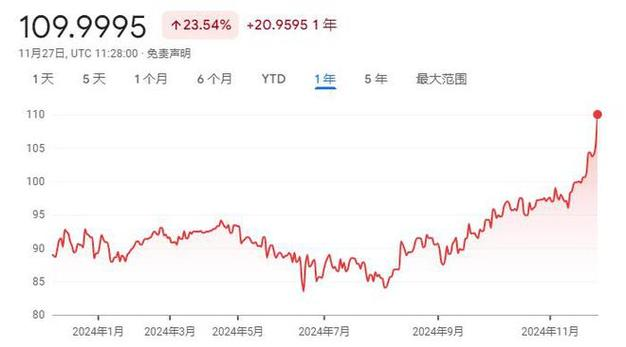
The analyst indicated that in order to stabilize the ruble exchange rate, we estimate that the policy rate needs to be raised to nearly 10 per cent and that federal budget expenditure must remain within the fiscal ceiling. The ruble may have benefited from higher crude oil prices, but russia's domestic monetary policy will remain a more reliable anchorage for the ruble。
According to chase morgan, the suspension of foreign exchange purchases “failed to stabilize the rubles”. Chase morgan currently expects the central bank of russia to raise the benchmark interest rate from the previous 9 per cent to 10 per cent by the end of the year。