I. Car component

1. Before travelling, the route shall be selected in such a way as to avoid the waste of fuel by way of circuits, reverse roads and blocked roads。
2. Short distances and bad weather are the best option to use as much as possible to avoid increased fuel consumption or adverse safety。
3. To reduce the weight of the vehicle and keep it as unloaded as much as possible, such as by unloading seasonal and temporary annexes to ease the road for the car。
4. Swift speed, not to be slow, and keep economic speed as high as possible, both to improve fuel economy and to reduce your operational intensity。
5. No indiscriminate shelling of oil, whether before start-up, after fire has ceased or in operation, to avoid unnecessary fuel consumption。
6. When the train is rolled back, the option should be to pass through the good sex road as one-time as far as possible, avoiding multiple retreats and increased fuel consumption。
7. Bracing must be predictable, making maximum use of vehicle inertia and engine involvement to slow or stop vehicles。
8. The normal working temperature of the engine should be maintained while travelling, which increases fuel consumption and wear and tear as a result of excessive or low temperatures。
9. Operations must be skilled and accurate, and must be free from confusion, mud and water in case of machine damage and timing。
10. Reducing parking for no reason and stopping and stopping will inevitably increase fuel consumption and waste of time through constant brakes, start-ups, acceleration, etc。
11. Maintain a straight line and increase driving resistance, distance and fuel consumption due to the direction of small road barriers。
12. Maintain the pace of the car, slow and slow as it moves, and undermine the smoothness of the car。
Ii. Parking component

1. Parking shall be selected in such a way as not to park in the main road and in the blind zone of the driver in order to prevent congestion and accidents。
2. After parking, the fire shall cease and the hand shall be drawn, the key shall be removed, the window of the vehicle shall be rolled up and it shall be left after safety。
3. Parking in the garage is required to prevent unnecessary fines and to avoid blocking his car and moving again。
4. Parking in the field shall avoid ramps, soft and low-lying areas in order to avoid slippage or fall。
5. Parking on highways is carried out for reasons relating to the rapid movement of shoulders or belts and the timely installation of warning signs。
6. The ramp identified the vehicle as having to use delta or stone to support the wheel and was turned towards safety。
In winter, parking should be cold, in summer, sunproof, in temporary parking, and when nighttime parking is full, the wheel should be lifted up。
8. The permanent parking shall be kept under the necessary sealing and maintenance, and shall be accompanied by the coating and the roof of the bridge。
Iii. Car maintenance component
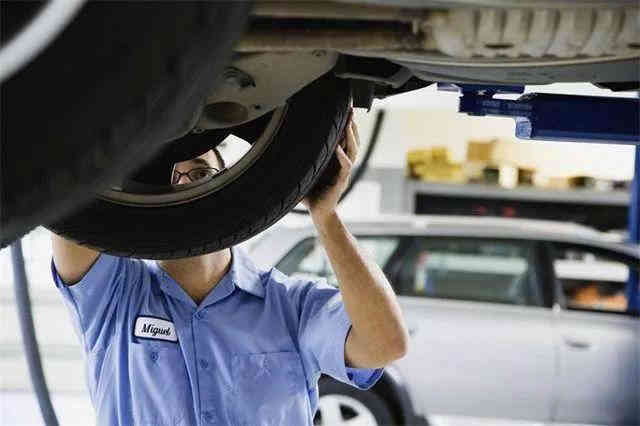
1. Maintain "three filters" clean and reliable so that air, fuel and lubricating oils are free。
2. Maintain the quantity and quality of cooling fluids, lubricating fluids, brake fluids and electrolytes, as frequently checked。
3. Regular removal of carbon and incandescent hot spots in all sectors to avoid a decline in engine power and economy。
4. Close and adjust air doors in a timely manner to ensure sufficient mixing and complete venting into the combustion chamber。
5. In time to correct the ignition, check the gaps in the various components of the clean electrical system to ensure that the interfaces are secure。
6. The normal pressure of tyres is frequently checked and tyre exchange is carried out on a regular basis; the brake system is checked to avoid brake bites, deviations, etc。
Some spare parts and the various fluids remaining each time are replaced should be preserved for next use。
8. Care should be taken to observe the removal of spare parts and not be wasted because they can be removed。
The cleaning parts should be classified, the dry cleaning should be done, the oil should be washed, and not too much oil should be used。
Spare parts are purchased by yourself and, if replacement is required, it is advisable to buy them at the fittings store。