Human resources management for international enterprises, japan
Specializing in human resources management in international enterprises, japan
Japanese enterprises have been prominent in the global economic arena, with their unique human resources
The source management model received considerable attention。
Let's start with a little story. He had a friend who worked for a japanese company. He was very happy when he first got in
I hope to be able to show my ability. But after a while it turned out that work was slow
Slow enough to drive him crazy. A simple project, from planning to implementation
The level of approval, each of which has to be discussed repeatedly, is not very efficient. But as time goes by
And he found out that in this pattern, the whole team was working very closely together, and that there was very little talk
Pilgrimage. This brings into play some of the characteristics of human resources management in international enterprises in japan。
Japanese enterprises focus on staff loyalty. They usually have a permanent employment system
Once an employee has entered the workforce, he or she will be able to work in the company until retirement, provided that he or she does not perform badly. This
The system gives employees a strong sense of belonging and a sense of belonging to the corporate family. Like one
A ship sailing the sea, with employees and companies on board, all for a common purpose
Work hard. In an environment like this, employees are willing to devote a lot of time and energy to learning about the company
Operations, building up their capabilities, because they know that they will have long-term rewards。
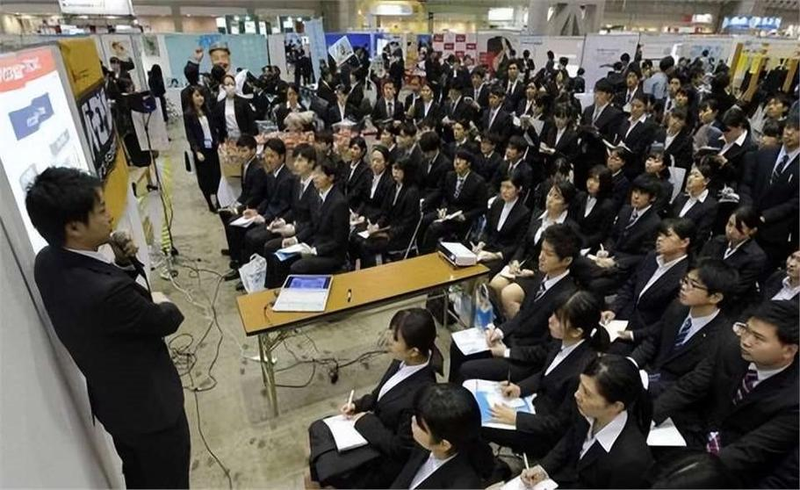
Tell me more about their training system. The training of japanese enterprises is fine-tuned, and new employees are recruited
The training begins with a comprehensive understanding of corporate culture, regulations and work processes. A hands-on approach to the training process will result in a large number of internships to be implemented by staff
Skills at work. And the training is ongoing, with the promotion of staff
There will be training courses at different levels to help staff continuously upgrade managerial competencies and professionalism。
For example, an average employee wants to be promoted to head of department, and the company will be dedicated to his leadership
Training courses, through case analysis, simulation exercises, etc., allow him to learn how to lead teams and how to make decisions。