1, the shape of the earth: the earth is not a standard sphere, but an irregular ellipse with a slight flat, equatorial ablaze. This unique shape is due to the centrifugal forces generated by the rotation of the earth, which allow the equatorial sector to rise outward。
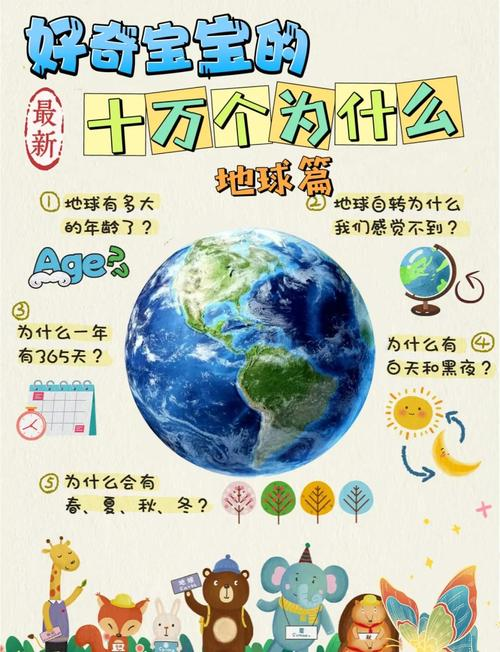
2 the earth's age: scientists use radioisotope measurements to estimate the earth at approximately 4. 6 billion years. Over these long years, the earth has evolved from its primitive hot planet to its dynamic form of life。

3, earth's plate movement: earth's rock rings are divided into large plates, such as the asia-europe plate, the pacific plate, etc. These plates continue to move, colliding and separating. The collision of plates has created great mountain systems, such as the himalayas, while the separation of plates has shaped the undersea landscape, such as the mid-atlantic ridge。
4. The earth's oceans and seas: about 71 per cent of its surface is covered by the sea and the seawater is vast. The pacific ocean is the largest ocean, with an area of approximately half of the total sea area of the earth and a considerable depth, with the mariana trench exceeding 11,000 metres。
5 the earth's atmosphere: the atmosphere is like a layer of “protector”. It consists of a variety of gases, including nitrogen, oxygen and carbon dioxide, which not only provide oxygen for human breathing, but also prevent harmful radiation from the sun and the impact of small celestial bodies, most of which burn out by friction when meteors enter the atmosphere。
6 earth's magnetic field: the earth has a powerful magnetic field, generated by the movement of liquid metals within the core. Magnetic fields can guide cosmic rays and solar winds around the earth and protect its organisms from high-energy particles, while creating beautiful aurora phenomena。
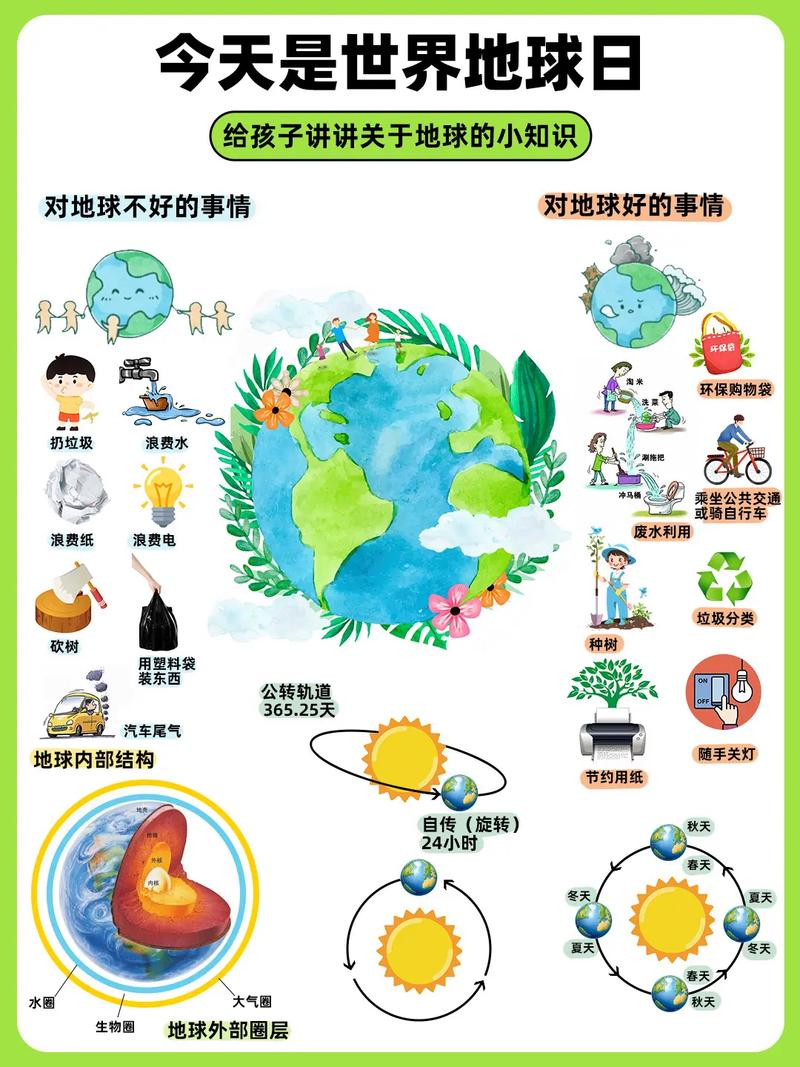
7. The rotation and public rotation of the earth: the rotation of the earth around a circle of about 24 hours, generating a round-the-clock rotation; and the rotation of a circle around 365 days, forming four season shifts. Moreover, the presence of an angle of about 23. 5° on the earth's rotational axis and on the public plane is the key reason for the marked change of the four seasons。
8 earth's biodiversity: the planet's known species of over 10 million species, ranging from exotic plants and animals in tropical rainforests to mysterious organisms in the deep sea, constitute a rich and diverse ecosystem. Biodiversity is an important safeguard of the earth's ecological balance, and different species are interdependent and together maintain the vitality of the planet。