Many people may feel less, if not less, about exchange rate fluctuations in their daily lives. But that doesn't mean nothing to us. What, then, would be the impact of frequent exchange rate fluctuations on our lives and work
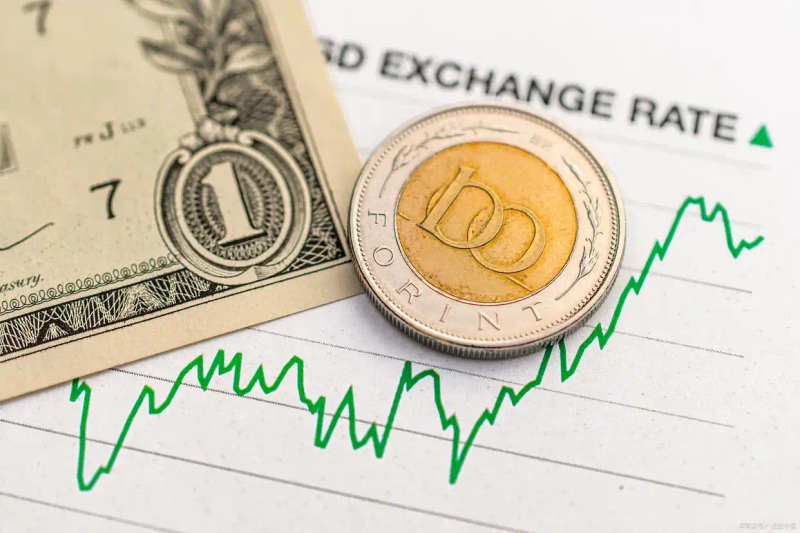
What are the effects of exchange rate fluctuations on us
Exchange rate fluctuations, which generally refer to changes in the renminbi's exchange rate with other currencies, may affect us in several ways。
First, it may affect income. Those most affected by changes in exchange rates are those engaged in foreign trade, which has a direct impact on the income of foreign traders。
For example, when the exchange rate of the renminbi falls against the united states dollar, it is cheaper when other countries use the dollar to buy the goods we produce. At this point, foreign importers will be encouraged to import more of our goods。
Thus, for our exporters, it is hoped that more goods will be exported and income increased。
For importers, the drop in the rmb exchange rate means that the cost of imports has risen, and if the domestic sales prices and the volume of goods remain constant, it means that revenues will decline。
When the renminbi appreciated, the impact on importers and exporters was the opposite。
For others, exchange rate fluctuations can also affect income. For example, when the renminbi depreciates faster, it may be dealt with by tightening monetary policy, where the level of market interest rates is likely to rise, and when interest rates rise, interest income will increase。
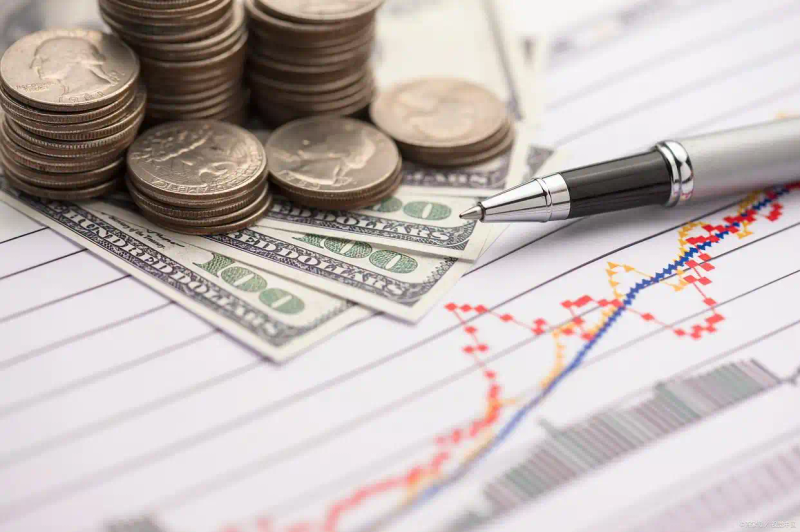
Secondly, it would change the value of the assets in hand. Exchange rate fluctuations affect both the value of foreign currency assets and the value of some assets within the country。
The value effects of foreign currency assets are clearly easier to understand. If the renminbi falls against the foreign currency, it means that foreign currency assets appreciate, and vice versa。
For example, there are $10,000 in bank deposits, which, at the current exchange rate, are estimated at rmb 7. 28 million, but if the dollar falls to rmb 7 a year later, only rmb 70,000 will be exchanged。
The impact on assets within the country is mainly indirect. For example, for the stock market, the decline in exchange rates may be detrimental to the stock market, resulting in a decline in the value of equity assets. As a result of falling exchange rates, capital outflows from abroad are prone to a decline in stock markets。
Gold, for example, is more likely to cause gold prices to rise when the exchange rate falls. Because the price of gold is more dynamic than the international price of gold, when the exchange rate falls and the international price of gold does not fall, it will make domestic gold prices cheaper and buy more people. If you buy more people, the price will rise。
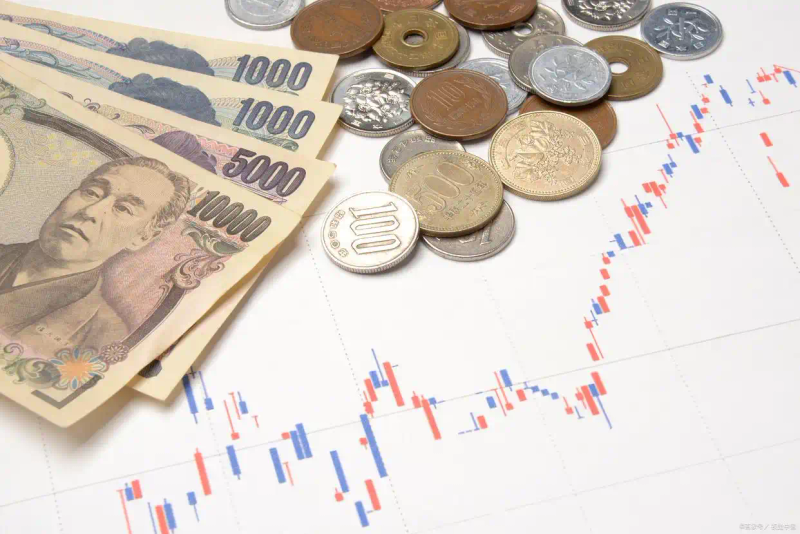
Again, it affects the cost of living. For those who have a need to travel abroad, study, etc., the exchange rate has fallen and the same amount of foreign currency has been converted to more domestic currency, and costs are bound to rise and the exchange rate has fallen in the opposite direction。
In addition, fluctuations in exchange rates could lead to price changes for some commodities。
For example, those imported from abroad, when the exchange rate falls, the cost of imports increases. If importers want to ensure that profit margins remain constant, they will shift the increased costs to consumers, thereby increasing the price of goods sold and the cost of living。
In sum, changes in exchange rates have many implications for our lives and jobs, and even if they are not normally felt, they do not mean that they are non-existent。