The key to building a child's aesthetic capacity is to move from “measure results” to “baby process” and to build a child's aesthetic awareness through systematic indoctrination and real experience. This is not just about learning to paint or sing; it is about opening children's eyes to beauty in everyday life and in pluralist practice。
The evaluation shifted to a “breeding process”
The essence of beauty is the awakening of the mind, the transmission of culture and the stimulation of creativity, and its evaluation should serve the central function of supporting, stimulating and guiding growth. This means that parents and teachers need to pay more attention to children's participation, experience and thinking in artistic activities than just to judge whether the work is “pretty”。
Some schools, for example, have developed a “third-level, fourth-dimensional” curriculum based on children's cognitive development: from aesthetic enlightenment in the lower grades to cultural understanding in the middle grades to the application of creative practices in the upper grades, the process spirals up. This concept of “evaluation is nurturing” helps children move from “passive imitation” to “active creation”, turning beauty into a journey of spiritual growth。
It's a real scene
Art is born of life, and aesthetic education must not be trapped in classrooms. The expansion of the classroom to museums, galleries or natural spaces greatly enhances the living and sensory depth of learning. For example, schools can organize overnight folklore events, where children can experience traditional culture with windmills and fish lamps, or work in non-removable workshops to map the kyodra face and feel the national populist colour and artistic charm。
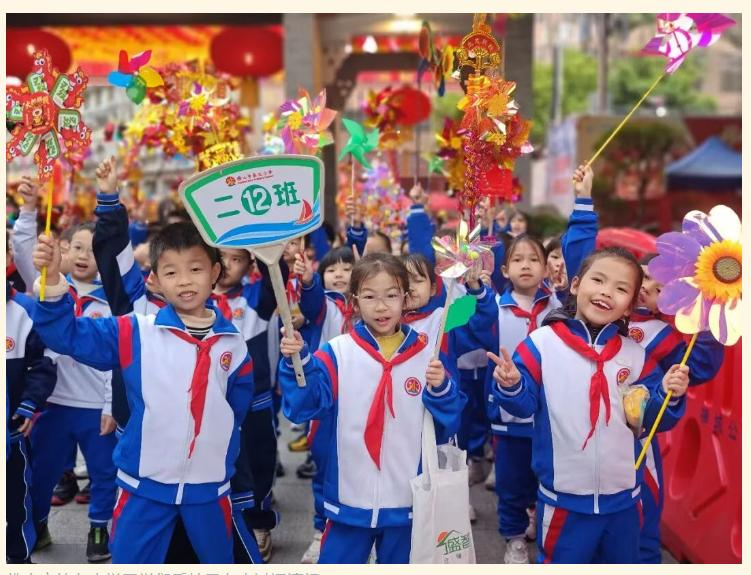
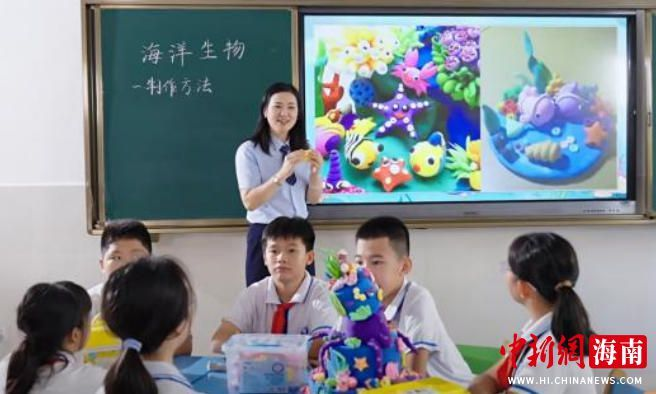
What is more critical is to use “small materials” to stimulate great creativity – to select clay, waste, etc. That is easily available – to guide children to discover beauty in their work, to create beauty, and to transform indigenous non-removable resources, such as lai tao, into tangible membrane material, allowing cultural heritage and aesthetic practices to coexist. The immersion experience in these real scenes is much more likely than textbooks to make children understand what is beautiful。
Family as a companion reader
The family is the first classroom of beauty, and the role of the parent is not “supervisor”, but “college reader”. To create a good reading culture in the family, parents themselves should reduce the use of mobile phones and increase the use of books to influence children with role models. When children express their aesthetic preferences, they avoid simple denials, and instead use the strategy of "observing the details-situation-value-guided": "what are your favorite features of the design?"
, leads to an appreciation of quality or creativity. In the face of the impact of online information, it is less important to ban the ability to direct children to identify marketing and false content from media commentary, fill their lives with a rich experience of reality, such as sports, reading, and reducing reliance on virtual stimulation. A number of art institutions also open museum courses free of charge to parents to promote “presyco-system” so that beauty can become a link to family communication。
The development of aesthetic skills is a slow art, which allows children to feel the world in a richer and more comfortable way in the future。