In recent years, the market for the consumption of fertilized clothing shoes has shown some clear development. Consumer choices are no longer confined to the basic functions of shelter and heating, but are more combined with lifestyles, personal expressions and inner feelings. Such changes drive continuous adjustment and innovation on the supply side of the market。

Shenzhen study consultation
China-based, global insight, third-party investigations
Open 100 degrees app
Scanning now
Free advice
I. Rationalization of the concept of consumption and return to values
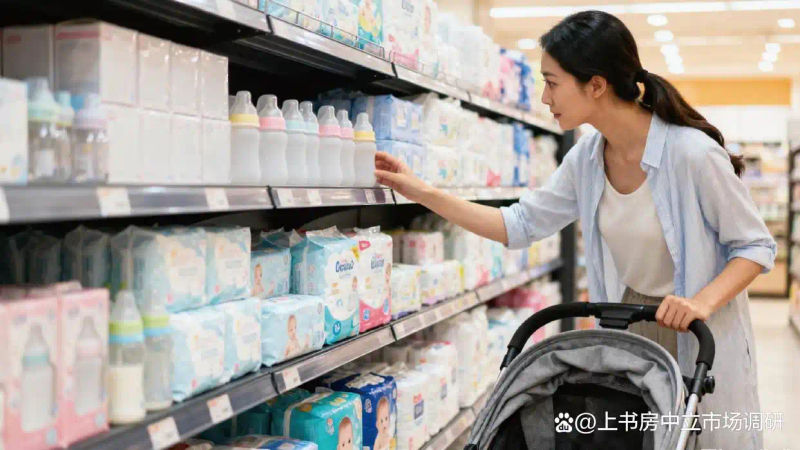
The pursuit of brand labels and impulsive purchases has been widespread over the past period. Today, the consumer perception of co-fertilizer consumption on clothing shoes is more rational and mature。
1. Focus on quality and durability. Consumers are more willing to pay reasonable fees for high-quality fabric, fine work and classic design. A well-dressed and comfortable jacket, or a pair of leg-to-legged shoes, whose life cycle and combined experience are important factors in the consideration. People begin to calculate the “cost per dress” rather than simply focusing on the price on the label。
2. Price-for-money versus smart consumption. Rationalization is not only expensive, but rather the most sensible choice within the budget. Consumers spend more time comparing prices from different sources, focusing on the discount season, and having a more professional judgement of the true value of the product. High-priced national product plates, high-quality plant direct-supply commodities, etc. Were welcomed。
3. More autonomy in consumer decision-making. The impact of brand marketing and advertising on consumer decisions has been relatively weak. Consumers rely more on actual dress experiences, familiar referrals and the sharing of reputations among real users. They tend to choose according to their actual needs and aesthetics, rather than following the trend blindly。
Ii. Diversity and individualization of style expression
The growing cultural inclusiveness of co-fertilizer as a fast-growing city is reflected in the style of clothing and footwear hats。
1. The scenery is dressed to become normal. Different scenes, such as commuting, leisure trips, physical fitness, social gatherings, etc., have given rise to differentiated dress demands. Consumers purchase special clothing shoes for different scenes, such as a combination of professional and comfortable commuting suits, functional sports equipment, and leisure clothing with personal taste。
2. Style convergence and personalization. Strict style boundaries are broken. The integration of sports elements with leisure clothing, the integration of traditional processes with modern designs, and the adaptation of intercultural elements are common. Consumers express their unique self through a combination of clothing and refuse to be uniform。
3. Increased attention to indigenous design and cultural elements. Some of the designs that contain the cultural elements of the emblem or modern compost city are beginning to enter the consumer perspective. This recognition and appreciation of indigenous cultures is reflected in consumption choices and the pursuit of uniqueness and cultural connotations。
Iii. Breakdown and functionality of product demand

In addition to appearance, the functionality and relevance of the product itself are key to attracting consumers。
1. The diffusion of fabric technology and functional clothing. Consumers have a higher demand for the technical properties of clothing footwear hats. For example, fabrics with such functions as wet sweating, sunproofing, light heating and waterproofing are widely used in routine clothing. In the field of sports shoes, the pursuit of professional performances such as slow-shocking, support, and bouncers has been extended from professional athletes to general fitness lovers。
2. Comfort becomes a central requirement. Comfortableness is placed at modern heights, both in official suits and in domestic clothes. Design details such as flexible fabric, sensory labels, tailoring that is compatible with human engineering, light shoes, etc. Were given high priority. Making bodies comfortable is the primary purchasing motive for many consumers。
3. Focus on sustainable and environmentally friendly materials. More and more consumers, especially young groups, are paying attention to the environmental impact of clothing footwear hats. It is easier to obtain their preferences through renewable materials, organic cotton, products made of degradable materials and brands that promote environmental concepts. The concept of the recycling and recycling of used clothing is also gradually being accepted。
Iv. Integration and re-profiling of shopping channels
Consumer shopping has multiple online and offline contact points, which are deeply integrated and complementary。
Underline experiences are irreplaceable. The physical shop offers core values such as touch fabric, trial wear experience and immediate professional advice. Many of the consumable commercial complexes and neighbourhood shops are strengthening their experience attributes and enhancing interaction and connectivity with customers through the creation of comfortable shopping environments, small salons or a combination of classrooms。
2. Deep use of online channels. The online platform provides information search, pricing, browsing and viewing of a large number of user evaluations. It's just a little bit more visual for the product. The online inventory and membership system are gradually connected to facilitate the free choice of consumers to obtain or return goods for exchange。
3. Social sharing drivers of discovery. Social media platforms, such as mini-red books and shivering, have become an important source of inspiration for consumers to discover new products. The influence of “grazing” and sharing among friends on consumer decisions is increasingly significant. The way brands communicate with consumers has also become more socialized and informative。
V. Potential directions for future trends
In the light of current developments, the market for the consumption of footwear in clothing is likely to show the following trends:
The importance of emotional values and spiritual resonance will continue to rise. The ability of products to tell inspiring stories and the compatibility of brand concepts with consumer values will become as important as the product itself。

Increased demand for customized and semi-orientated services. As the quest for individualization deepens, clothing and footwear services that can be adapted to individual sizes and preferences can move from smaller to wider markets。
3. Increased awareness of services throughout their life cycle. Not only does brands focus on the sales chain, they may also provide professional maintenance, repair and adaptation advice to help consumers extend the useful life of their loved ones, which in itself is part of sustainable consumption。
Overall, the consumption of fertilized clothing shoes is moving in the direction of a more rational, personality-oriented and in-house experience. Market participants need to understand these changes in depth and focus on product nature, user experience and value resonance in order to move forward in the evolving urban consumption landscape。