It is the constant pursuit of every teacher and candidate to ensure the quality of their studies and enhance their abilities during the final stages of preparation. Let me now turn to some of my thinking and practice。
Focusing and improving the efficiency of refresher preparation
After a long period of “sealine-style” training, teachers and students tend to focus more on problem-solving strategies, leaving basic concepts and principles behind. The basic concepts and principles are the knowledge necessary to understand, analyse and solve problems, which students do not understand well and which directly affects the performance of examinations。
It is not possible to identify each of the knowledge points in a higher examination, and it is therefore important to focus on the final stage of the examination. How to focus
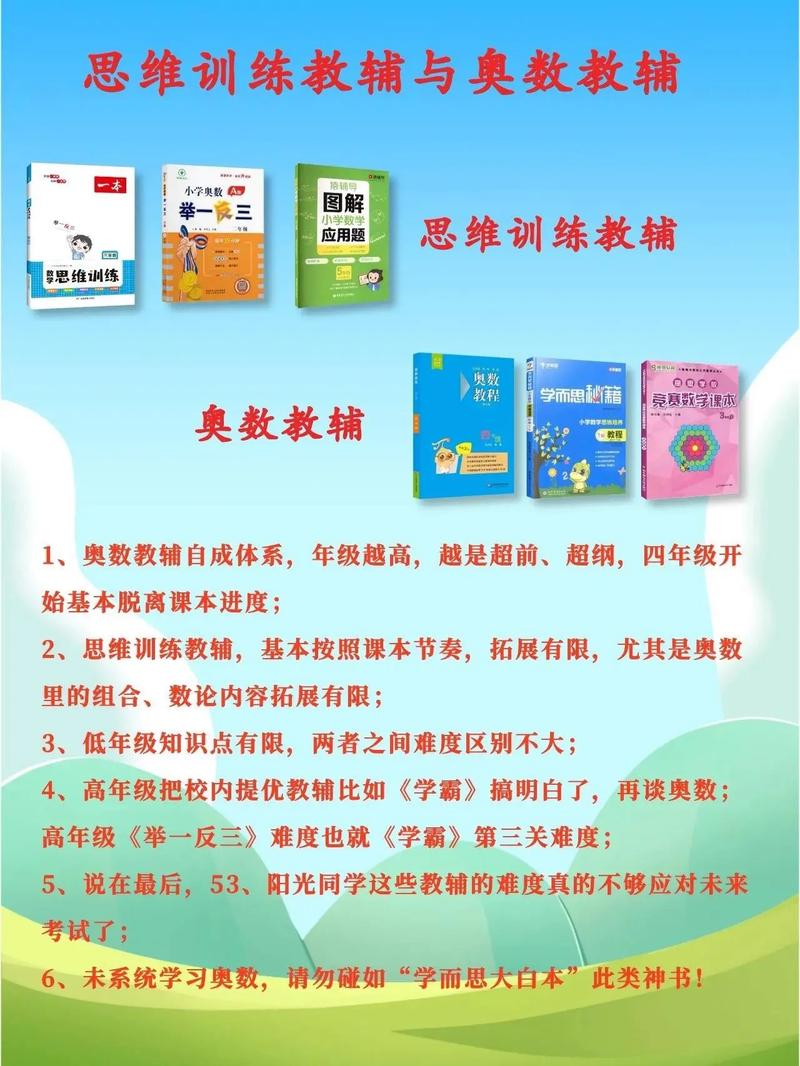
First, rely on standards, sharpen knowledge points and give direction. The standard of mathematics curriculum for general upper secondary schools (2017 edition) is the basis for the preparation of teaching materials, the evaluation of teaching and the subject of examinations, in preparation for which teachers are required to study with a heavy mind, with particular emphasis on changes. In addition, it is proposed to streamline the high examination topics for the last three years and to distinguish between the points of reference, the points of selection and the blind points against the changes in the knowledge points and the way in which they are conducted. For the necessary points of consideration, it is important to consolidate the practice again and to improve its efficiency in the final stages。
Secondly, the focus should be on issues of commonality and repetition of mistakes. Commonality is generally a difficult issue in teaching materials, where students have difficulty in understanding or in using them. In the final stages of the study, greater efforts must be made to ensure that the content and substance of the knowledge is understood by the teachers in a thorough manner, in a precise location and in a timely manner. In the case of recurrent errors and knowledge points, teachers are required to direct students to comparative distinctions, to correct errors on the basis of understanding, to change the perspective of the examination, to examine it in different ways, and to train them repeatedly until they are truly in control。
Re-integrate the content of teaching materials and upgrade the core of discipline
According to the american educational psychologist bruna, “the knowledge acquired is most likely forgotten if it is not linked by a full structure”. The review of key knowledge needs to re-integrate the content of teaching materials, streamline the intrinsic links between knowledge and further develop knowledge systems。
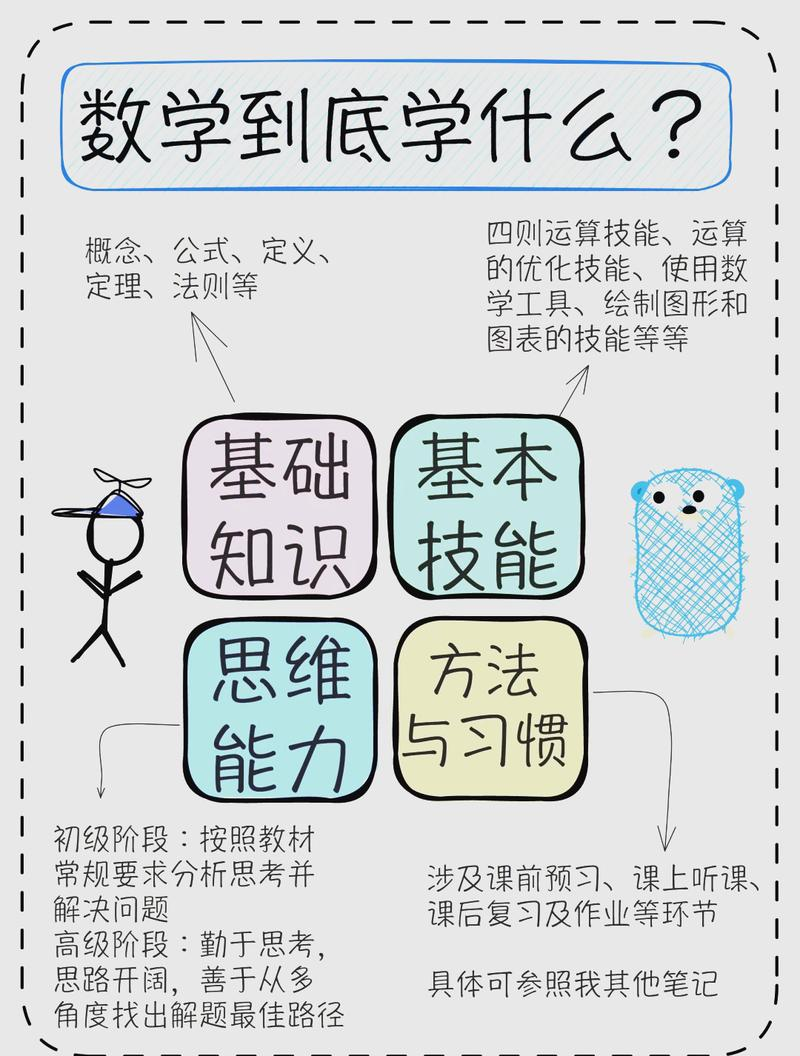
First, students can be guided in the construction of academic thought maps. The high examination is not simply an examination of the students ' basic points of knowledge, but is more oriented towards examining the combined application of knowledge. During the final sprint, teachers are to direct students to organize their knowledge using a mind map, so that they can form a logical knowledge structure. For example, the construction of geometry guides begins with the inner core of “points, lines, positions”, with the first tier being one of locational relationships, parallel, intersectional, opposite (situation between two lines), vertical (special position between or between sides), polyhedrons, rotational bodies, etc., and then continues to spread on the basis of this hierarchy, trying to integrate the main knowledge systems into the system, so that they can be built into it。
Second, they can lead to a small integration of key knowledge. Small-dimensional integration is the integration of key knowledge, approaches and key ideas. Integration in this way allows students to mobilize and apply knowledge in high places and to upgrade the knowledge of the discipline to the core of the subject, thereby transforming it into an analytical and problem-solving capacity。
Scientific training to enhance the integrated application of knowledge
How can the final phase empower students to acquire and interpret information, mobilize and apply knowledge, analyse and solve problems through training? I think we need to do three things。
First, pick the question and manage the difficulty of training. In recent years, the mathematics test has focused on basic, integrated, applied and innovative subjects aimed at examining students ' mentalities, combined intellectual abilities and problem-solving abilities. Therefore, at the final stage, it is important to take into account the requirements of the curriculum standards, the chinese system of higher examination evaluation, etc., in the scientific selection of the high examination questions of recent years, taking into account the structure of the examination papers and the scientific selection of the difficulty factors, and avoiding bias, peculiarities and difficulties; to refine the examination methods, styles and characteristics of the examination papers, and to select more high examination topics for nearly three or even five years; to use the basic and medium-term title, entitled master, to ensure the typicalness of the subject; and to focus on the knowledge deficiencies of students in the selection of the questions, with emphasis on their ability to improve their training。
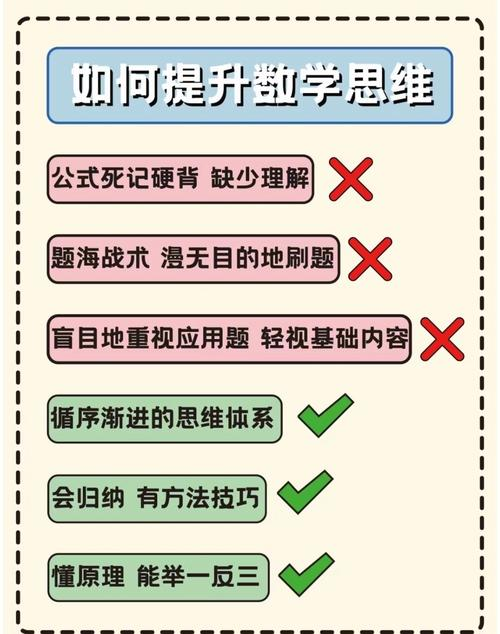
Second, precision, control of training intensity. In the final stages of the examination, the teacher has to sink himself into the subject, select the subject, and let the student jump out of the subject, so that he or she can practice a session of the subject, so that he or she can learn the characteristics of the subject, answer the question, answer organization, process writing, etc. In the course of the evaluation papers, teachers are required to speak about questions, errors, blind spots, methods and patterns that students cannot summarize, and to increase the flexibility of students ' thinking. They are expected to be as motivated as possible to allow students to speak more, to give them time to take stock of the questions, to examine the intentions of the questions, and to sum up the responses and methods。
Third, the filing of faults to improve the effectiveness of training. Teachers are required to direct students to the task of collating and to provide compensatory training or thematic breakthroughs on issues with high rates of error and generality; and to concentrate on the subject of error-prone subjects so as to facilitate students ' pre-test review. Schools that are in a position to do so can use a web-based file reading system, using large data analysis, to produce high student error rates and weaker knowledge points, and to provide precision delivery and intensive training. This is repeated and will prevent students from repeating their mistakes in advanced examinations。
(by zhejiang zhejiang teacher-training university-affiliated secondary school teacher, senior teacher)
Chinese journal of education, 5th edition, 2021