In today's fast-paced era of fragmentation, whether we work or live, we seem to be plagued by information, tasks and entertainment. However, does this fragmentation really give us more ease and efficiency? Are we pursuing new knowledge while losing something important? This is a matter for reflection。
Characteristics of the age of fragmentation: impact on knowledge acquisition and dissemination
As science and technology continue to develop and societies continue to progress, we have gradually entered an era of fragmentation. The age of fragmentation refers to an era in which access to and dissemination of information has become more fragmented and rapid. In this era, people have access to knowledge and information through a variety of channels, and they can quickly spread their ideas and views to others. However, the age of fragmentation also has a number of implications for knowledge acquisition and dissemination。
Characteristics of the age of fragmentation have led to wide and diverse access to information. In the past, people relied mainly on books and traditional media for access to knowledge, with limited sources of information. In the age of fragmentation, the spread of technological devices such as the internet and smartphones has allowed people to access information at any time and in any place through search engines, social media and mobile applications. People can cover a wide range of areas of knowledge by simply passing their mobile phones. This broad and diverse source of information allows for a more comprehensive understanding of the world and a broader vision。

However, the age of fragmentation has also caused information overload. Too much information and fragmentation make it easy for people to acquire knowledge in a state where it is easy. They may be simply browsing through some titles or short videos, rather than in-depth knowledge of a theme or issue. Such superficial knowledge may lead to partiality and inaccuracy of knowledge. Too much information also leads to anxiety and distraction, making it more difficult to focus on in-depth learning and thinking。
The age of fragmentation has also had an important impact on knowledge dissemination. In the past, knowledge was disseminated mainly through traditional media such as books, newspapers and television. However, in the age of fragmentation, social media and the rise of the media have given everyone a platform to disseminate their views. People can communicate their ideas and views to the world through social media platforms such as twitter, twitter, youtube and shivering. This individualized mode of communication breaks the traditional media monopoly on information and makes more different voices and views heard。
However, individualized communication also poses problems. Individualized transmission can easily result in inaccurate and biased information. As everyone can express his or her views, it is inevitable that some may deliberately create rumours or introduce personal prejudices. Individualized communication can also easily lead to information bubble effects, i. E. People are more willing to accept and disseminate information that is consistent with their own views, while ignoring the existence of different views. This information filtering can lead people to “information isolation” and to difficulties in accessing different ideas and perspectives。

The characteristics of the age of fragmentation have had a profound impact on knowledge acquisition and dissemination. It provides people with a wide variety of sources of information, widens the boundaries of knowledge and, to some extent, gives rise to information overload and superficial understanding. At the same time, the era of fragmentation has allowed everyone to become a communicator of information, breaking the monopoly of traditional media, but has also raised the issue of information inaccuracies and information bubbles. The key for us is how to exploit the strengths of the age of fragmentation while avoiding its ills and striving for more comprehensive, accurate and deep knowledge acquisition and dissemination。
Problems of fragmentation: could lead to loss of critical knowledge
The rapid pace and information of modern societies have made fragmentation a norm. Debrisation means that the information people are exposed to in their learning, work and life is fragmented, and both the short text on microblogging and the video on social media contribute to some extent to the prevalence of debrisification. However, this fragmentation also poses a number of problems, particularly in the area of knowledge dissemination, where the loss of important knowledge could become a risk。
The learning methods of fragmentation can easily lead to deviations in understanding and mastery of knowledge. In fragmented learning, knowledge can be obtained only through scattered segments of information, often without systems and integrity. For example, when looking at news on the internet, a few dozen seconds of video or less-numbered titles make people think they know the whole story, but actually just don't see the trees. Such fragmented learning methods often fail to capture the full extent of the nature and depth of the matter and can easily lead to superficial understanding。
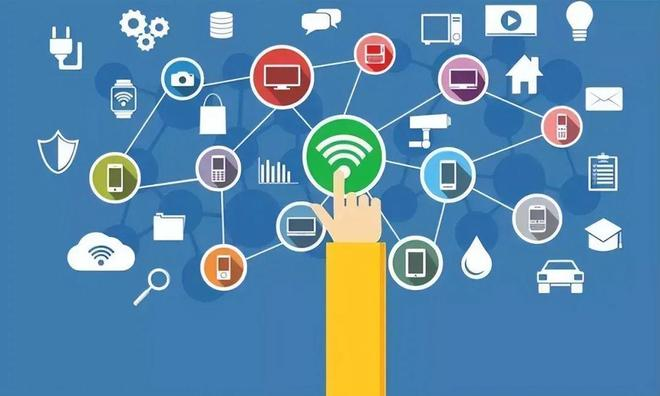
Overloading of information from fragmentation also increases the risk of loss of critical knowledge. In a society full of information, people often have access to the information they need only through rapid scanning and screening. However, such superficial browsing can easily lead to missing important information. Faced with a wealth of fragmentation information, people are often confined to the surface of the information without in-depth thinking and exploiting its hidden value. In such cases, important knowledge can easily be buried and ignored, leading to its loss during transmission。
The learning methods of fragmentation also affect people's memory and ability to think. In fragmented learning, attention is often focused only on scattered segments of information, with few coherent and logical knowledge frameworks. This fragmented approach to learning often fails to establish a solid memory base and logic of thinking, which can easily become partial and superficial. In the long run, this fragmented learning approach can lead to reduced memory and poor thinking and will create significant barriers to the acquisition and use of critical knowledge。
Given that fragmentation learning can lead to the loss of important knowledge, we need to find a comprehensive system of learning to fill this gap. Emphasis will be placed on building a holistic framework of knowledge that integrates different debris information organically through in-depth learning and reflection to form a complete knowledge system. It is important to develop a fine reading skills that capture the details of the information and understand its content. There is a need to strengthen thinking training and enhance its own logical and critical thinking skills in order to better analyse and understand the knowledge acquired。
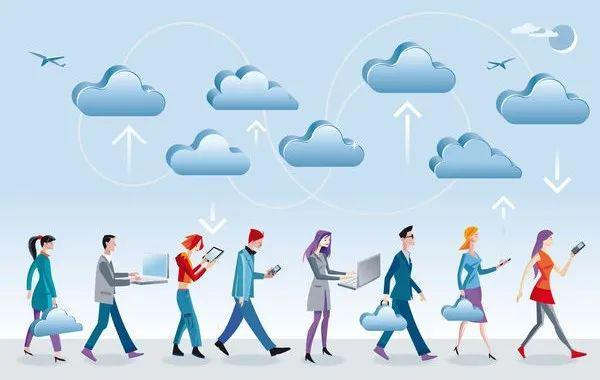
One of the problems posed by fragmentation learning is the loss of important knowledge. We need to be aware of the existence of the problem and actively seek solutions to the challenges posed by fragmentation in order to better respond to it and to ensure that access to and transmission of critical knowledge is not neglected and missed。
Impact of loss of critical knowledge: challenges to social and personal development
In today's era of rapid information development, knowledge is a central element in advancing social progress and personal development. However, the knowledge we have can also be lost for various reasons, which poses a range of challenges to the development of societies and individuals。
The loss of critical knowledge will have a direct impact on social development. Important knowledge includes knowledge in various fields, such as science and technology, culture and history, which are the driving forces and the foundations of social progress. If a society is unable to transmit and accumulate important knowledge, it will be difficult to keep pace with the times, even at a disadvantage in global competition. For example, a country that loses important knowledge about environmental protection will face resource depletion and ecological destruction, thereby threatening its sustainable development。
The loss of critical knowledge also threatens the development of individuals. The knowledge available to individuals determines their competitiveness and adaptability in the workplace. When individuals lose important knowledge, they may not be able to keep pace with the demands of new technologies and new work environments. This will make it difficult for them to find suitable jobs and encounter bottlenecks in their careers. The loss of critical knowledge can also lead to a lack of understanding and awareness of the surrounding world among individuals, affecting their ability to communicate and communicate with others。
However, the loss of critical knowledge is not irreparable. Faced with this challenge, we should actively take measures to prevent and remedy the loss of knowledge. Education is one of the most important tools. Through the establishment of a comprehensive education system and the development of a comprehensive quality and knowledge base for students, a continuous flow of knowledge into society can be provided. Currently, many countries have focused on education in science education, cultural heritage and so on, working to ensure the transmission and development of critical knowledge。
Focusing on scientific research and technological innovation is also an effective way to prevent loss of knowledge. Through continuous research and innovation, new areas of knowledge can be continually developed to fill existing knowledge gaps. At the same time, encouraging interdisciplinary cooperation and knowledge exchange and promoting the complementarity and integration of knowledge in all areas will also help to compensate for the loss of critical knowledge。
Individuals should also consciously learn and update their knowledge. Actively engaged in various training, seminars and academic exchanges, constantly broadening their knowledge and perspectives. Access to information through multiple media channels, sensitivity to new knowledge and a desire for knowledge are essential for individual career development and growth。
The loss of critical knowledge poses challenges to the development of societies and individuals. To deal with this problem, we need to strengthen education, scientific research and individual learning in an effort to prevent and remedy the loss of knowledge. Only in this way can sustainable social progress be ensured and individuals be able to grow and adapt to the changing social environment。
Methods for reshaping knowledge acquisition: responding to the needs of the age of fragmentation
Today, we live in a fragmented society. Whether we work or learn, we are faced with a wealth of fragmented information, and how to effectively access and integrate that knowledge becomes an important issue before us. We need ways to reshape knowledge acquisition to meet the needs of the age of fragmentation。

We should change traditional ways of acquiring knowledge. In the past, people relied more on books, teachers and traditional academic resources to acquire knowledge. However, in the age of fragmentation, these traditional methods appear to be somewhat inadequate. By contrast, the development of digital technology provides us with more access to knowledge. Through the internet, we can easily search for a variety of knowledge sources, such as online courses, e-books and academic papers。
At the same time, social networking has become an important channel of access to knowledge, and we can access the views and opinions of specialists in the field of concern through their blogs and micro-publics. We should be good at using digital technology and web resources to expand our access to knowledge。
We should focus on the timeliness and relevance of knowledge. In the age of fragmentation, knowledge is being updated more and more quickly, and it is difficult to keep up with it. We need to focus on the timeliness of knowledge and keep abreast of the latest research findings and developments. At the same time, we need to focus on the relevance of knowledge, combining knowledge with real life and work. Only then can we better respond to the needs of the age of fragmentation。
We should also build capacity for autonomous and lifelong learning. In the age of fragmentation, access to knowledge is no longer a one-time event but an ongoing process. We need to be able to learn autonomously and proactively to explore and learn new knowledge. At the same time, we need to be aware that learning is a lifelong matter and that we need to keep learning. Only through continuous learning and adaptation to new knowledge can we remain neutral in the age of fragmentation。
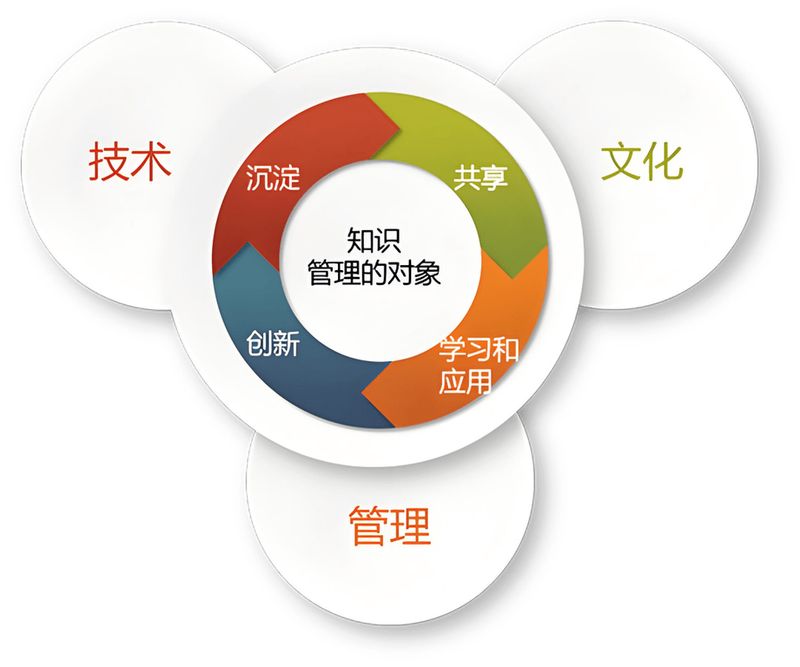
We should also focus on the integration and innovation of knowledge. Knowledge acquisition in the age of fragmentation is not only a source of fragmented knowledge, but more important is how to integrate and apply them. We need to summarize the different knowledge points and develop our own knowledge framework. At the same time, we need to use innovative thinking to integrate knowledge across borders in different areas to respond to the complex needs of the age of fragmentation。
Reshaping methods of knowledge acquisition is an important initiative in our response to the needs of the age of fragmentation. By changing traditional methods of knowledge acquisition, focusing on the timeliness and usefulness of knowledge, building capacity for autonomous and lifelong learning, and focusing on the integration and innovation of knowledge, we can better adapt to the challenges of the age of fragmentation, enhance our own qualities and achieve better results. Let us work together to meet the challenges of the age of fragmentation

Focusing on the value of critical knowledge: the importance of building comprehensive knowledge systems
In today's era of information explosions, the value of knowledge has become increasingly evident. However, in the course of many learning processes, there is a growing phenomenon of focusing only on one aspect of knowledge and neglecting learning in other areas. In order to address this problem, a comprehensive knowledge system has become essential。
The value of focusing on important knowledge lies in its ability to help us better adapt to society. Today, social development is rapidly evolving and evolving in all sectors and areas. If we focus only on one aspect of knowledge, we will face the difficulty of adapting to the new environment. However, if we have a comprehensive knowledge system, we will be better able to meet the challenges and changes and lay a solid foundation for our future development。
The value of focusing on important knowledge is also due to its ability to improve our thinking. Knowledge is a tool for thinking, and by learning from all fields of knowledge we can broaden the boundaries of our thinking and develop more flexible and agile thinking. Such a capacity for thinking is important for problem-solving, innovation and development. Only with a comprehensive knowledge system can we be more comprehensive and accurate in thinking and decision-making。
The value of focusing on important knowledge is also due to its ability to improve our learning. Research shows that our learning effectiveness is greatly enhanced when we link knowledge into a complete knowledge network. This is because such a comprehensive knowledge system can help us to better understand and remember knowledge points and, by linking and comparing, we can understand in greater depth the nature and content of knowledge. Building a comprehensive knowledge system would not only improve the effectiveness of learning, but also improve our knowledge。
The value of focusing on important knowledge is also due to its ability to enhance our overall quality. In modern societies, where talent is increasingly competitive, one aspect of knowledge alone is no longer sufficient to meet society's needs for talent. Only by establishing a comprehensive knowledge system can we be of a more comprehensive and integrated quality. Such a combination of qualities can make us better at work and in life and create more opportunities for our future development。
Focusing on the value of critical knowledge is an important driver for building a comprehensive knowledge system. It can help us to better adapt to society, to improve the ability to think, to improve the effectiveness of learning and to improve the quality of integration. In our learning process, we should focus on building comprehensive knowledge systems and constantly expanding our knowledge base in order to adapt to changing social developments. Only then will we be able to emerge and achieve better results in a competitive society。
Reader: swallow