As the policy continues to move forward, some previously large-stocked cities and some of the three- and four-line hotspot cities have largely completed their journey to stock
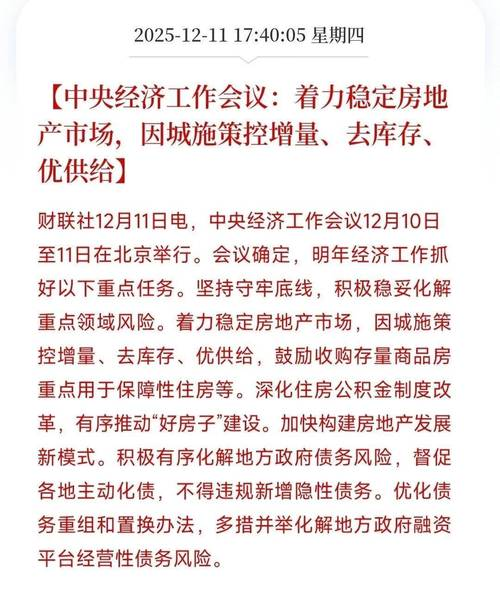
Real estate regulation cannot be “one size fits all”. At present, housing prices are generally stable, but there are structural contradictions in the real estate market. Therefore, real estate regulation policies are tailored to local conditions. When markets change, regulatory measures should change in time

On 24 august, the hout and hout city housing security and housing authority issued a circular entitled “our city will do more to regulate housing prices to stabilize the real estate market”, in which it proposed “stable land prices, secure house prices, secure expectations” as the overall objective of real estate regulation. The circular made it clear that there was a complete cessation of measures to regulate real estate stock。
According to the circular, the cities of huo and hot will rationalize land use, increase the efficient supply of land for housing and ensure that the annual supply of land reaches 5,000 acres, of which no less than 70 per cent is for ordinary merchandise housing; increase the provision of secure housing and continue the 3 per cent public rental housing task of the commodity housing development project; steadily advance the resettlement of squatter settlements and keep the rate of resettlement at around 70 per cent; and accelerate the implementation of the public rental rental rental sales policy。
According to july data published by the national institute of statistics, the prices of newly built commercial housing in ho hot city increased by 2. 4 per cent, compared to 11. 8 per cent. In terms of ring scale increases, houthi and houthi rank eighth out of 70 major and medium-sized cities; they rank seventh on the same scale. This is illustrated by the fact that, on the whole, there is no overstocking of hope and even a steady rise in house prices。

Around 2014, some of our three- and four-line cities have been overstocked and many have introduced measures to remove them. As the policy continues to move forward, some cities with large past stocks and some three or four hotspot cities have largely completed the task of moving to stock. It is therefore necessary to completely stop real estate stocking in these cities。
According to zhang daewei, the chief analyst of china's real estate, with his eyes open to the national real estate market, some urban housing prices have risen to varying degrees, mainly because of insufficient supplies and therefore the time has come to replenish their stocks。
The monetization of sheds had been seen as one of the more effective ways to remove real estate from stock. The vice-president and chief real estate analyst of the university of hanchang noted that between 2016 and 2017, the third- and fourth-line cities had been monetized, with a number of cities experiencing a steady decline in their stockpiles, and even some of them had experienced high pressure on house prices, and that the monetization of sheds was nearing completion of their historical mission to remove stocks。
The relevant head of the ministry of housing and construction has also pointed out that where stock is insufficient and housing prices are under pressure, the policy should be adjusted in a timely and targeted manner and more in the form of new housing units; where there is a large stock of commercial housing, it is possible to continue the process of monetizing it. In august of last year, six ministries, including the ministry of housing and construction, also issued a communication stating that municipalities with a market residential digestion cycle of less than 15 months should control the proportion of housing stock in the currency and that more use should be made of new housing units。
Of course, real estate regulation cannot be “one size fits all”. Currently, the country's housing prices are generally relatively flat, but there are structural contradictions in the real estate market. The increase in housing prices in the cities on the 3rd and 4th line has indeed been higher since this year, with some hotspot cities experiencing greater pressure to rise, but some remote areas and areas with higher migration pressures still have stocks. So, real estate regulation policy needs to be fine-tuned by the city. Urban governments with primary responsibility for regulation should closely monitor market changes and introduce more precise regulatory measures in due course - – cities with high pressure to increase housing prices could consider a complete cessation of stocks and introduce disincentives to increase housing prices, but should continue to do so where large stocks remain. When markets change, regulatory measures should also change in a timely manner. (economic journalist)