When you look at the stars
Do you ever wonder why stars blink
Why does the sea look blue
Why do leaves change color
On the road to growth
There's 100,000 of them
The spread of scientific knowledge can help you
Better understanding and appreciation of an objective world
Learn to explore society and life in a scientific way
Eight interesting science little things
Let's see if you're interested
01
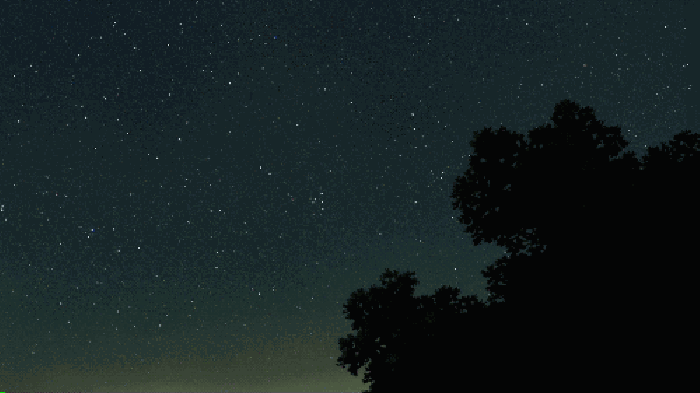
Why are the stars flashing
We see stars flashing, not because of changes in the light of the stars themselves, but because of the atmosphere。
The atmosphere is separated between us and the stars, and when stars pass through the atmosphere, they are affected by atmospheric density and thinness. Because the atmosphere is not absolutely transparent, its transparency changes according to density。
So we look at the stars on the ground, and we see the stars as they flash。
02
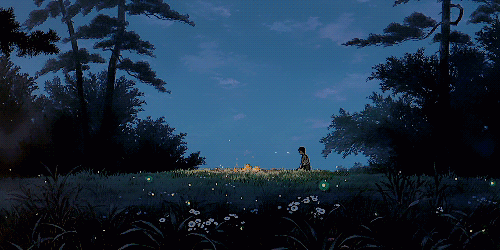
Why do fireflies glow
Fireflies glow because of the presence of luminescence units at the end of their abdomen, which are filled with many phosphorus-containing luminescences and fermentants, which allow them to send a flash of light。
Fireflies glow for purposes other than lighting, such as courtship, vigilance and trapping. It is also a communication tool. The luminescence, frequency and colour of different types of fireflies can also vary, and they can convey different messages。
03
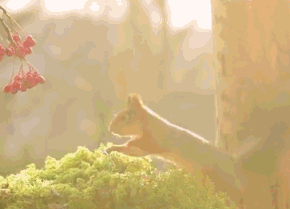
Why is the squirrel's tail so big
Don't look at the mouse's tail! Squirrel jumps around the tree while its tail is working. The tail balances the squirrels when jumping on a tree and avoids falling down. In addition, this large tail is much more protective in winter, close to the squirrel body to keep warm, convenient and practical。
04
Why is it mostly blue and green
Looking at the sea, many times the sea is blue and green. But when you pick up the seawater, you can only see it as normal and transparent。
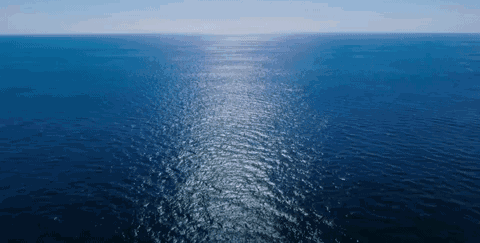
It turns out that the seawater itself is not much different from the water we are exposed to on a daily basis and is transparent. What we see is blue and green, which is actually a phenomenon of seawater absorption into light. Green light can be absorbed by seawater, which can reflect; and blue light can be absorbed when the sea is deeper, so the sea looks blue。
05
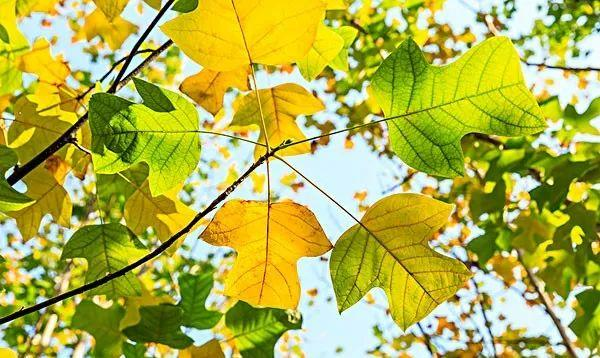
Why do leaves change color
The causes of the change in colour of leaves are associated with the chemical substance they contain - chlorophyll. When the fall comes, the day is shorter than summer and the temperature is lower, so leaves cease to produce chlorophyll and the remaining nutrients are transported to the trunks and roots for storage. The absence of green chlorophyll in the leaves has led to the appearance of other chromosomals, so we see more yellow and brown leaves。
069
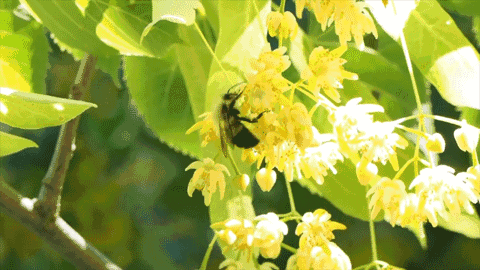
How do bees make honey
The honeybee first spits the sweet juice from the harvest into an empty beehive, and then at night sucks the sweet juice into its honey stomach and then spits it out and swallows it. It takes 100-240 times to make sweet honey。
07
Why do whales spray water?
Whales are a kind of mammalian, but their noses have no nose casings and their nostrils grow on top of their heads. Living in water, it breathes through the lungs, and can store a lot of air at once, without frequent changes to the surface。
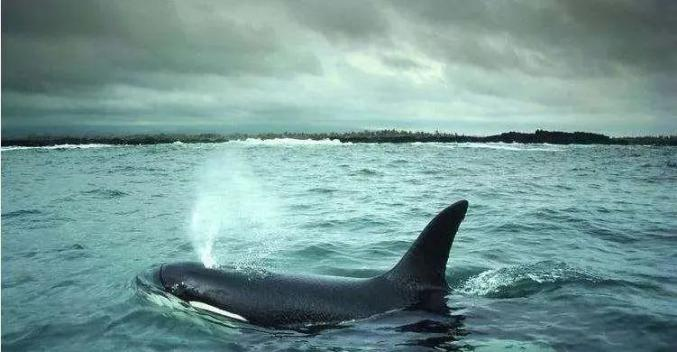
But when it changes air to the surface, it breathes with its nose, and when it breathes, it breathes with sea water and soaks out of the body, it is caused by pressure。
08
Why leaves
When autumn comes, the leaves have more evaporated water than summer, but the roots suck less water than summer. In order to reduce the loss of water from the trees, the stem cells began to form a separation layer, which, when nutrients were completely removed from the leaves, would separate the leaves from the trunk and fall them。