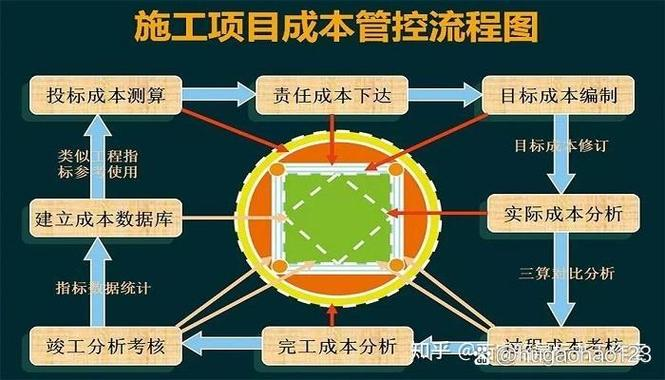
Cost management measures for municipal projects i. The introduction to the municipal engineering project is an important component of urban infrastructure development, and cost management is directly related to the overall benefits of the project and urban development. As the urbanization process accelerates, the complexity and uncertainty of municipal engineering projects gradually increase, resulting in many challenges to cost control. In this context, it is particularly important to develop a set of practical cost management measures. Ii. The current problem of 1. Inadequate budget for multi-municipal projects allows for a lack of detailed market research and data support at the initial budget stage, resulting in a large budget bias that does not accurately reflect the actual needs of the project. Inaccuracies in the budget make subsequent cost control more difficult. 2. During the course of the implementation of the project, the construction programme was frequently changed as a result of design changes and policy adjustments. This not only leads to increased costs, but may also delay the duration and affect the overall progress of the project. 3. The level of mismanagement of the construction workforce was uneven, and the lack of professional skills and experience of some of the construction staff resulted in inefficient construction and waste of resources. At the same time, the high mobility of personnel makes management more difficult. 4. Weak supply chain management of material procurement and inadequate management of supply chains has led to fluctuations in material prices and delays in supply, affecting engineering progress and cost control. The lack of effective supply chain management exposes the project to higher risks in its implementation. 5. Many of the current municipal engineering projects with a low level of informatization continue to be managed in a traditional way, with low levels of informatization preventing real-time monitoring of project progress and cost expenditures, resulting in delays in decision-making and delays in taking corrective measures in a timely manner. Iii. Concrete measures to design 1. Improve the cost budget system to establish a scientific cost budget system, using a data-driven approach to market research to ensure that the budget is based on real market conditions. The budget shall include direct and indirect costs, detailing such costs as materials, labour, equipment, etc. Periodically, the budget is dynamically adjusted and updated to ensure its enforceability. 2. Strengthen change management by establishing a dedicated change management team to scrutinize project changes to ensure their necessity and reasonableness. Establish a change approval process to clarify the responsibilities of the parties and reduce the incidence of random changes. Changes should be accompanied by timely updates of budgets and progress plans to ensure transparency and traceability of information. 3. Upgrading of personnel management for the training and appraisal of the construction workforce and upgrading of the professional skills and quality of construction personnel. Establish sound performance appraisal mechanisms to motivate staff to actively participate in cost control. Strengthened on-site management to ensure rational redeployment and efficient utilization of personnel and reduce waste of human resources. 4. Strengthen supply chain management to build stable supply chains of materials, select reputable suppliers and enter into long-term cooperation agreements to ensure stability in the quality and price of materials. Reduce procurement costs through centralized procurement and tendering. Regular communication with vendors to keep abreast of market developments, optimize procurement plans and ensure the timely supply of materials. 5. Advance computerization by introducing advanced project management software and establishing a real-time project monitoring system to enable real-time tracking of project progress and cost expenditure. Through data analysis, problems are identified in a timely manner and measures are taken to ensure the smooth progress of the project. Information training is conducted on a regular basis to enhance the information application capacity of project managers. Implementation steps and schedule 1. Time frame for implementation of the budget system: responsible units within one month of project start-up: project finance department objective: to complete market research and budgeting within a specified time frame to ensure accuracy and reasonableness of budget. 2. Change management process development time: responsible unit within two months of project start-up: project management department objective: to establish change management process to ensure that each change is clearly approved and recorded and to reduce unnecessary changes. 3. Training of personnel and time of implementation: responsibility units for ongoing implementation of the project: department of human resources target: conduct quarterly training to ensure continuous upgrading of the skills of construction personnel, with a pass rate of over 90 per cent. 4. Supply chain management optimized implementation time: responsible units within one month of project start-up: procurement department objective: to establish a stable vendor system, ensure stable supply of key materials and reduce procurement costs by 10 per cent. 5. Information systems implementation time: responsible units within three months of project start-up: department of information technology objectives: completion of information systems build-up and staff training to achieve real-time monitoring of project progress and costs. 5. All sectors of the allocation of responsibilities need to clarify their respective responsibilities to ensure the effective implementation of measures. The department of project management is responsible for overall coordination and oversight, the department of finance for budget preparation and audit, the department of human resources for personnel management and training, the department of procurement for the procurement and management of materials, and the department of information technology for information systems development and maintenance. Data support and quantitative targets will require a quantitative assessment of the impact of measures. The effectiveness of the measures is tested through the following data: 1. Budget accuracy: the target is more than 95 per cent. 2. Change approval timeliness: the target is more than 90 per cent. 3. Personnel training eligibility rate: the target is more than 90 per cent. 4. Reductions in procurement costs: the target is 10. 5. Project progress is the planned completion rate: the target is more than 95 per cent. Through a sound budget system, improved change management, enhanced staff management, enhanced supply chain management and enhanced information building, current challenges can be effectively addressed to ensure successful project implementation. The efficient, economic and sustainable development of municipal engineering projects can be achieved only through systematic and scientific management measures。