Supply and demand remain weak
In the first half of this year, the rents of the main businesses in china were stable, and the rent levels of the major businesses (shopping centres) in the main business circles were reduced and increased by the same time. Of these, the average rent for 100 major commercial street (100 m2) shops, comprising 100 commercial street shops in priority cities throughout the country, was $24. 33/m2/day, ending three consecutive years of decline, with a slight increase of 0. 02 per cent over the ring; the average rent for 100 shopping malls (100 malls) comprising 100 typical shopping malls was $27. 02/m2/day, recovering from a small decline in the second half of the year, with an increase of 0. 29 per cent。
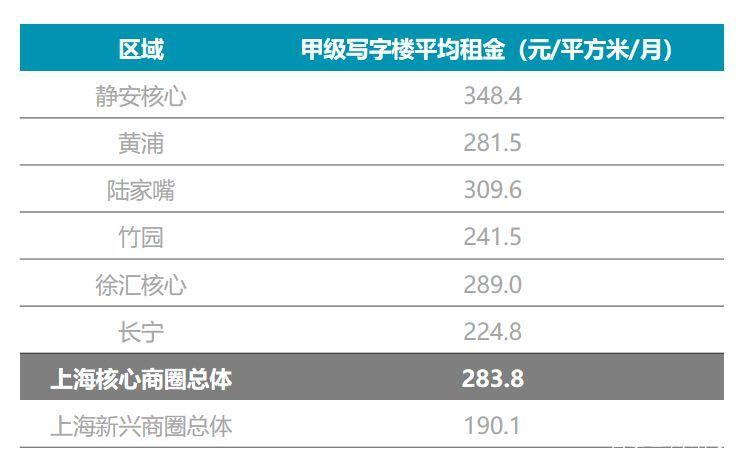
At the same time, according to data from the survey of a sample of rentals of major business writing buildings in key cities in china's real estate index system, the average rent of major business writing buildings in key cities was 4. 73 yuan per square metre per day in the second quarter of the year, a decline of 0. 11 per cent in the ring ratio and 0. 01 per cent in comparison with the quarter。
In terms of market performance, the economic recovery base is not yet stable, housing enterprises are still under financial pressure and commercial property markets are weak in terms of both supply and demand. Between january and may of this year, investment in commercial housing development nationwide was $50. 85 billion, a decrease of 14. 2 per cent over the same period; new construction space of 3. 72 million square metres, a decrease of 22. 7 per cent over the same period; and sales of 3. 089 million square metres, a decrease of 20. 4 per cent over the same period in terms of demand。
During the first half of the year, our large trading markets continued to be depressed. In january-may, data totalled 29 large transactions with a value of more than $100 million, a decrease of 35 over the same period. Shanghai remains the most active area for large transactions, and the writing building project remains the preferred of investors and domestic firms continue to dominate the market demand for large transactions。
In terms of business performance, the layout focuses more on the core cities and enhances operations for performance restoration. In january-may, the urban distribution of newly opened shopping centres showed an increase in the share of second-line cities, suggesting that, in the current context of weak supply and demand in the commercial real estate market, the enterprise configuration was more focused on high-capacity cities with developed economies, dynamic consumer markets and strong consumer demand。
In addition, public collection reits provides a diversified source of financing for commercial real estate enterprises, helping them to take stock of their assets, while also promoting accurate investment by commercial real estate enterprises, enhancing their operational capacity, adding value to the project and promoting high-quality enterprise development with the help of real estate finance。
Creation of diversified consumption scenarios
The white paper on the development of china's commercial estates, published by the institute, shows that, in the second half of the year, local governments may introduce more consumption promotion policies around the year of consumption promotion, with more high-quality business openings in key cities, bringing quality consumption content to the population, stimulating consumption potential and boosting the release of consumption demand。
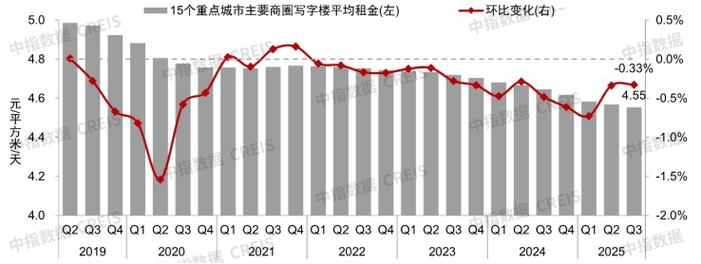
With regard to the writing building market, if the macroeconomic recovery continues at a steady pace and some high-quality projects are added to the market to boost the demand for rental of the writing building, an accelerated recovery in the second half of the year is expected and the rent trend is likely to stabilize。
In the post-epidemic era, according to the institute, the consumption demand of the population is differentiated and diversified, focusing on consumption experience and the consumption climate. In this context, commercial real estate enterprises integrate cultural, artistic, green concepts with real business, subject-matter shopping centres such as local culture + business, park + business, and various subject-matter business neighbourhoods, which fully meet the personal characteristics and consumption preferences of the target population and become the windbenders and guideers of a particular lifestyle。