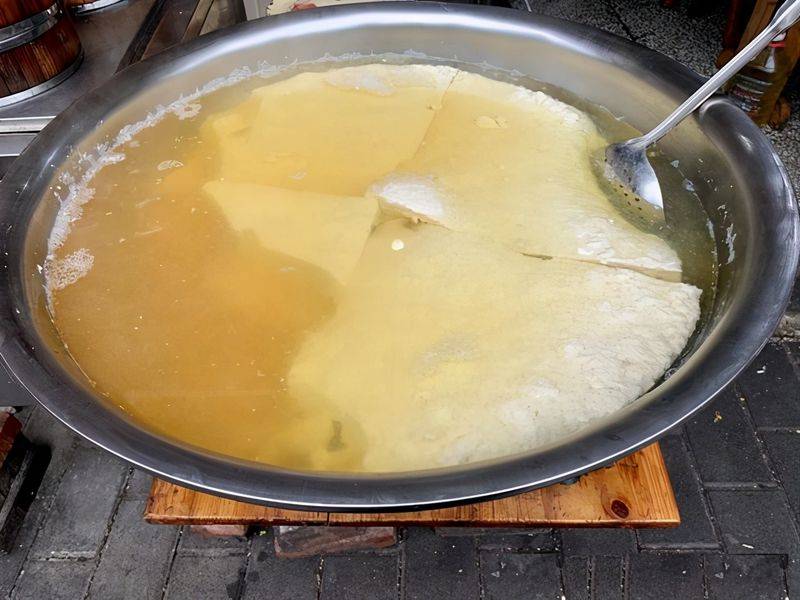
China's ancient fathers have discovered tofu, one of the most amazing discoveries in history, and it is said that if we had to drink soy milk by now, how would it have turned soy milk into tofu brain, then condensed tofu
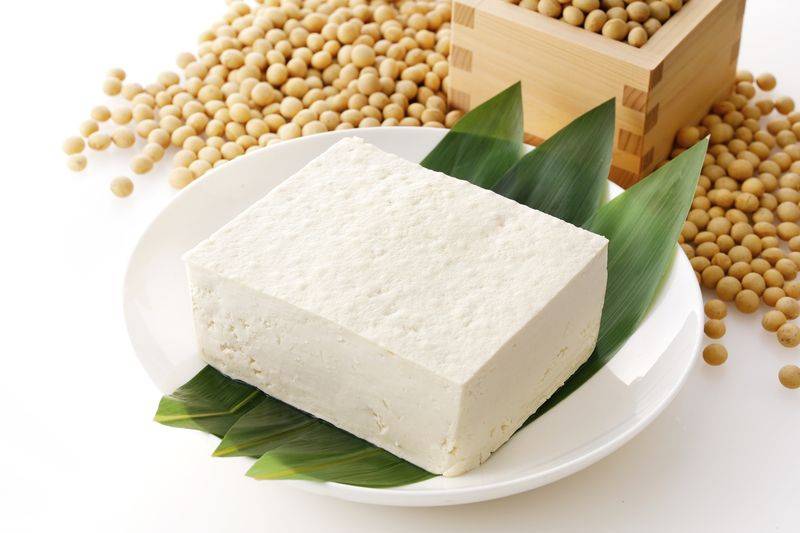
What is halogen? How did it turn soybeans into tofu
The ordinary halogen is easily misunderstood because many of the halogenated halogen juices are also known as halogen, which is made of a variety of edible spices that are not discussed here, whereas the true halogen is salt, which is salted by seawater or salty lake water, and which distills the crystals from the liquids left in the salt ponds after they evaporate. The main components are magnesium chloride, sodium chloride, potassium chloride, calcium chloride, magnesium sulphate and magnesium brominated。
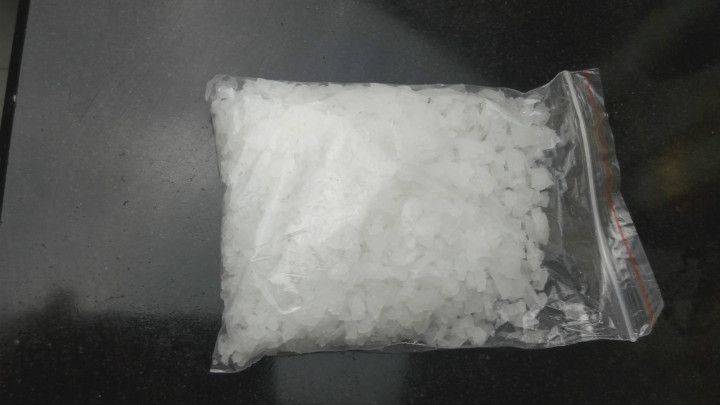
Halogen
Halogen is also salty, and a small amount of food in tofu can supplement trace elements, but can never be over-ingestioned, toxic, highly irritating to skin, mucous membranes, inhibiting the central nervous system, and symptoms of vomiting, drying, abdominal swelling, diarrhoea, dizziness and headaches if people accidentally mistook them
What kind of tofu is halogen
When the soybeans are crushed, they wash in the water, dissolve the protein, then boil in the water, of course not boiling, but a little bubble! After leaving the foam on the surface, the rest of the pot is almost a mixture of protein and water! At this point, the soybeans pellets were kept moving around the water, and they couldn't get together to form a "glue"
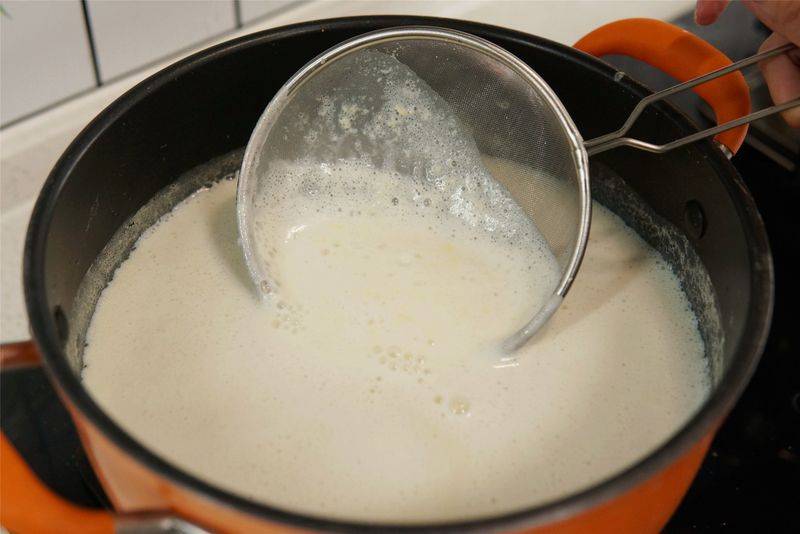
The soybeans protein surface contains free radon and amino. The effect of these clusters on water has led to the formation of a layer of water membrane with the same charge on the surface of protein particles, in which the repulsive force separates the particles from each other and does not bind them into clusters
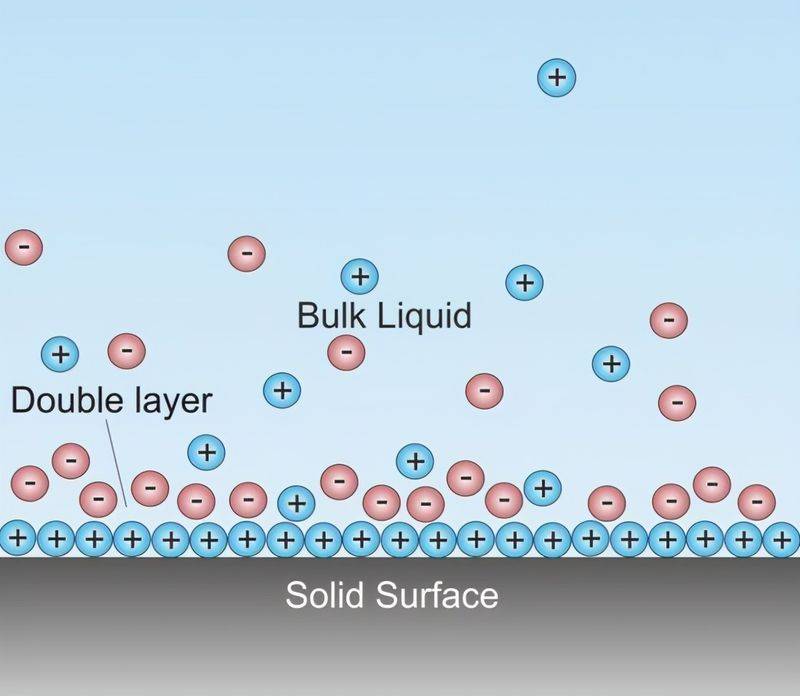
Salt halogens are mainly magnesium chloride (mgcl2), which are electrolyte solutions that form large amounts of electrolytic particles (positive ions and negative ions) in the water. The hydrochemical effects of these ions take the water membranes of proteins and isolate the proteins, while the positive ion of the chlorinated magnesium electrolyte inhibits the repulsion of the charge on the protein surface, which collides the particles into a lump of beans
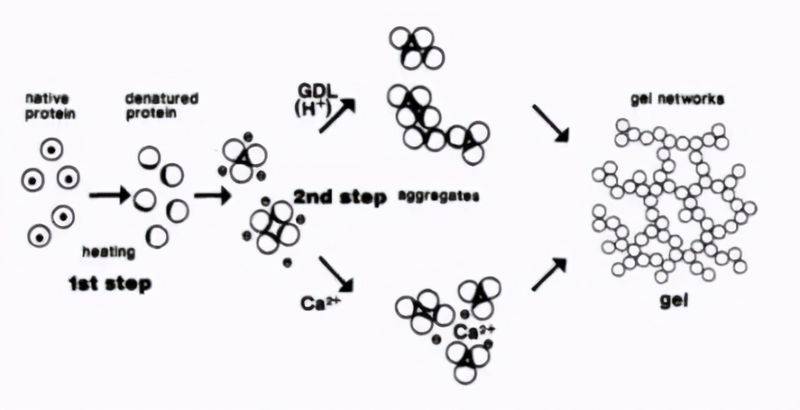
It will, of course, take some time, when the waiting time is called crutches, or slurry or plastering, and it will take time between the beryllium chain and the beryllium chain, and between the beryllium chain and the water molecules of the halogenated soybean soybean, when it is not appropriate to mix and vibrate, otherwise the tofu rate is low or the tofu cannot be formed。
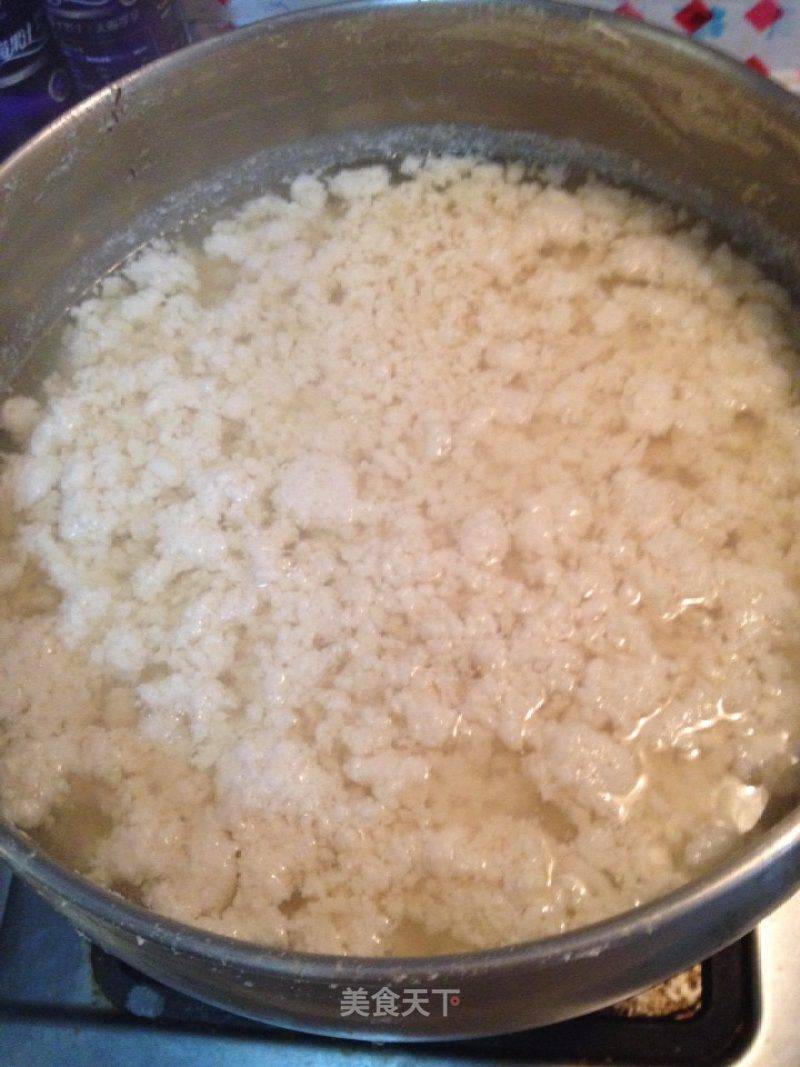
It's condensed
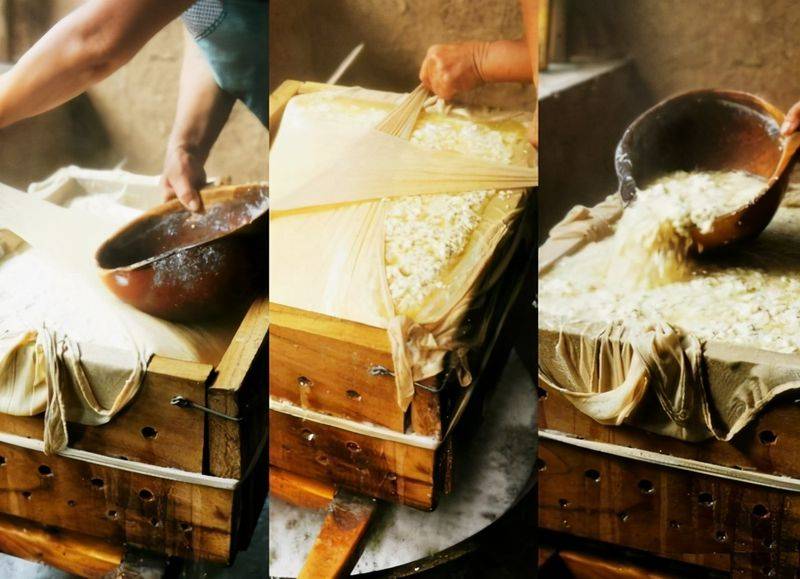
Of course, salt halogen can only form soybean flowers, and the next tofu requires further soybean operation, which is tonication, filtration, and then squeezing on saabri, squeezing out extra water and forming tofu
The halogenation point tofu is a process of adhesive accumulation and is not a chemical reaction。
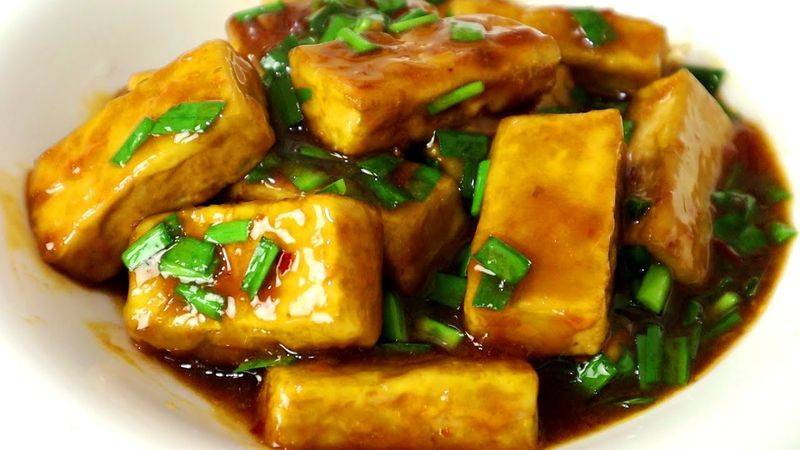
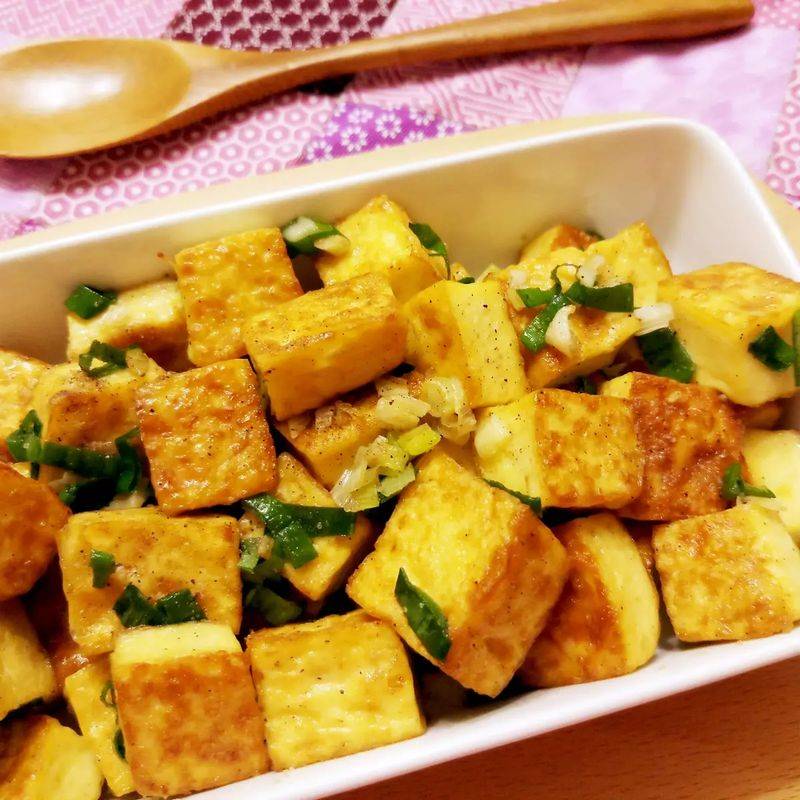
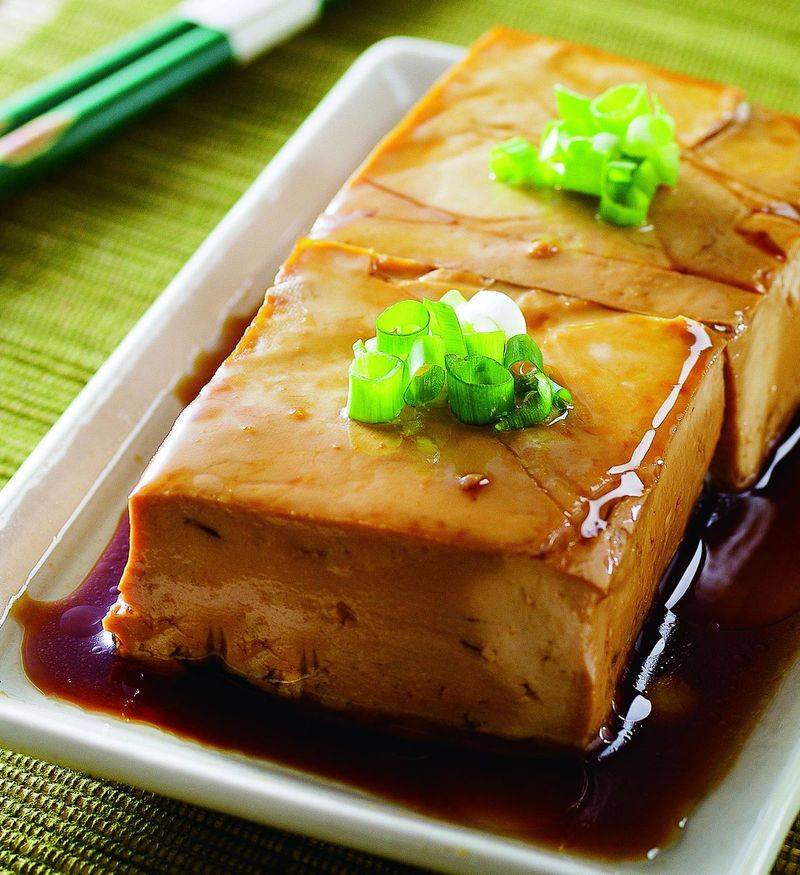
A few tofu foods
What else, besides halogenation, can be turned into tofu
We usually eat tofu with old tofu and green tofu, radish and green, old tofu with halogen and young tofu with plaster. We know above that other substances can also act as “catalytics” for tofu, provided they meet the conditions that allow protein to condensate
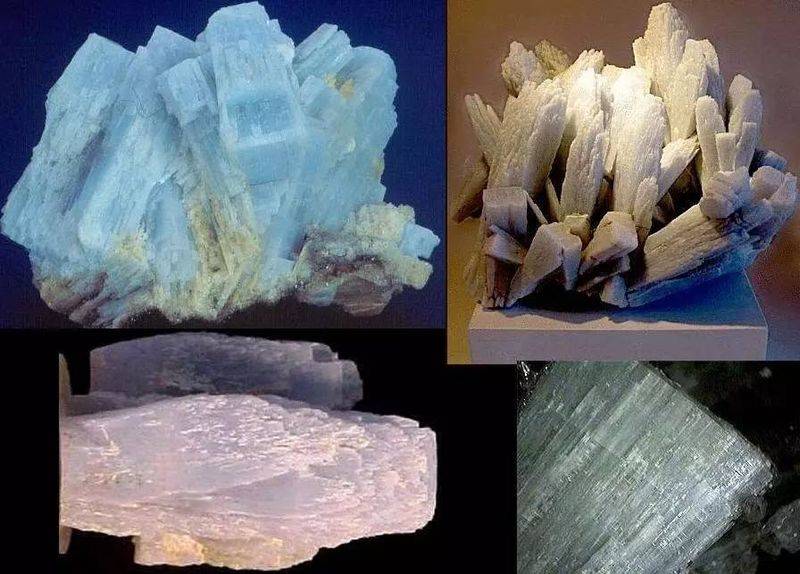
It could be plaster or calcium sulfate! It's also glucose acid-thin, which is called tofu! Even white vinegar, and friends can light tofu with lemon juice, so a lot of natural friends do it with lemonade. Tofu! There are lessons on the internet. Interested friends can learn about it
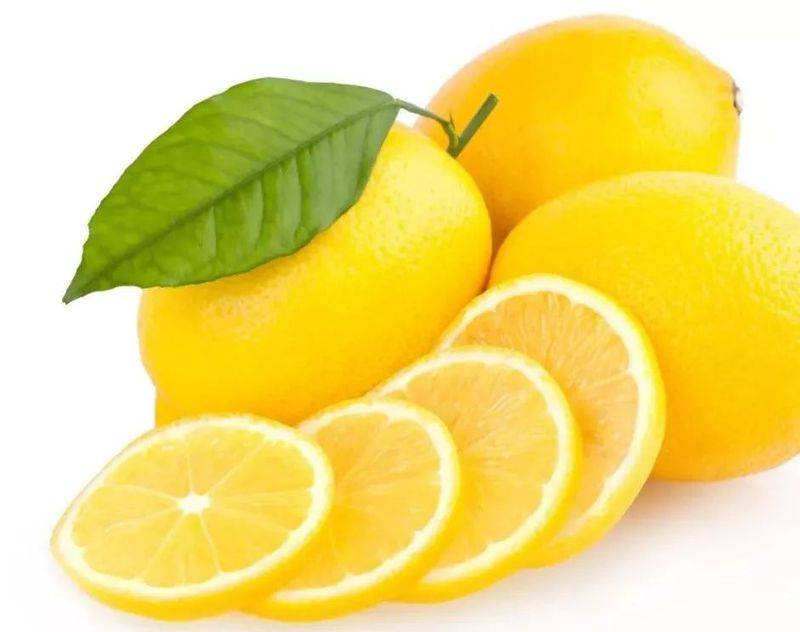
There is, of course, a slight difference in the principle of changing ph values, but the addition of acid would bring protein-gel particles closer to the equivalent point (the soybean protein is glycin, the beta-conglycin, etc., about ph5) and the net charge of the adhesive particles would be reduced, the less repulsive, the easier to condensate, the same result。