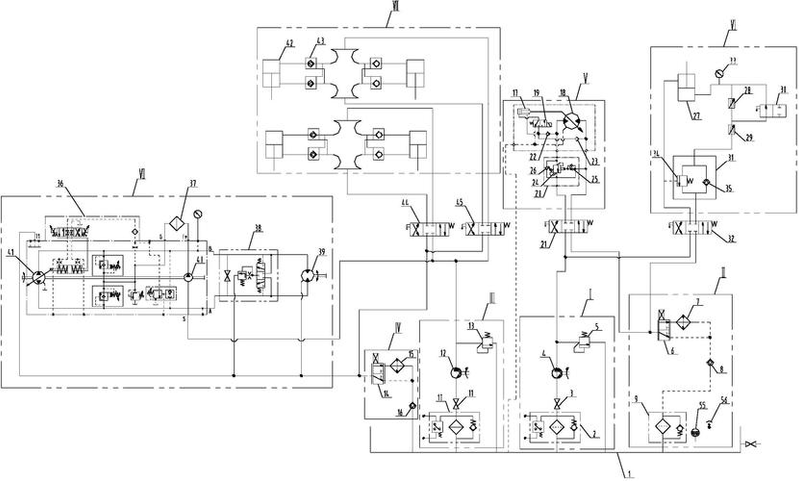
The hydraulic-mechanical characteristics of the hydraulic-screecher system and the working principles are a new type of rock-screeching machine that has emerged in recent years and can be divided into two types: a small hand-held, with a smaller impact energy, mainly to replace the traditional wind-scraper, most of which is used in conjunction with small-scale excavators — loaders, hydraulic-engineering vehicles, etc. — and a large-scale machine, most of which is based on the reverse-stacking devices of the hydraulic excavators, where the counter-stacking is replaced by a rock-scrawling machine, which is operated in the driver's room. The energy of this type of masonry is large and generally within the range of 1-6 kn m。
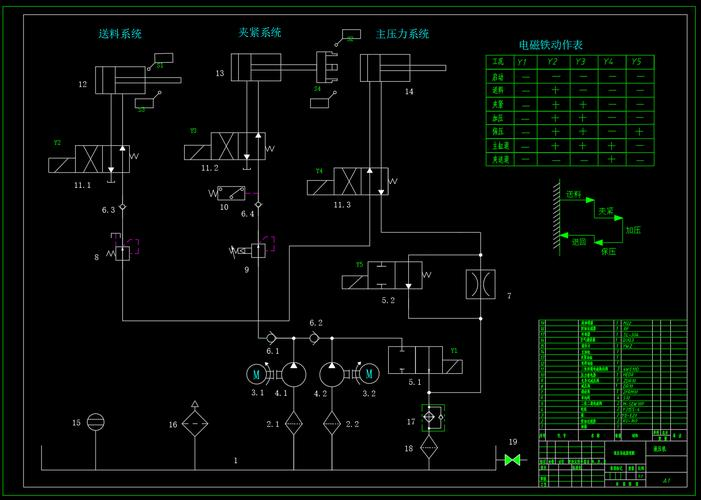
Hydraulic quarries: hydraulic quarries are powered by high-voltage oil as a piston shock lumber with a rock-mining machine with an independent revolving agency. Controlled by valves (and also non-valved) piston movement. Since oil pressure is much higher than air pressure, it is more than 10 mpa. Although similar to the wind-drilling machine, the piston features are smaller in diameter, longer in length and better wave shape. When the piston moves in a different direction and exerts a peak pressure, the machine is equipped with an energy collector. Characteristics of this are: rapid drilling (more than twice as fast as wind-drivers), high impact power, high rectangularity and high frequency; agility, low energy consumption (about one third of the wind-drilling machines); efficiency; and ease of automation and computer control, which significantly improves the working environment。
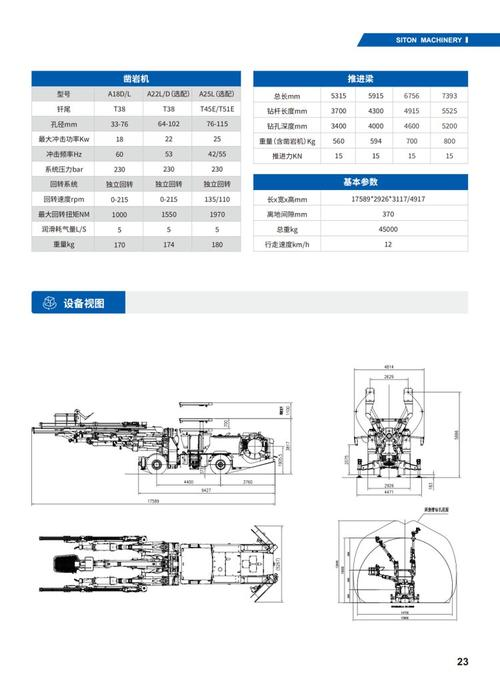
Hydraulic quarries have high impact, high rotation rectangles, light weight and stable performance. They are used mainly to open mid-deep artillery holes in mine pits and alleys, adapted to the heights of different alleys, and can be used for soft, hard rock types, drilling different apertures. It applies to both the rock alley and the straight alley。