When the spring blooms
We're about to have a five-one break
One for the kids
Safe, healthy, happy vacation
Chief here is a reminder
“five-i” leave
Whether it's at home or with children
It is imperative that security be given high priority
It's strictly protected from drowning
When taking a child to a swimming pool and a beach, care is taken to prevent the risk of drowning, and parents effectively assume responsibility for guardianship and strengthen the education and management of their children。
Watch out for these high-risk drowning sites
High levels of drowning among children under 4 years of age are mainly in domestic water storage containers, such as water tanks, baths, etc。
The high incidence of drowning among children aged 5-9 may involve canals, ponds and reservoirs。
Children over 10 years of age are more active, mainly in ponds, lakes and rivers。
When parents swim with their children, they do the following four points:
No risk: go to regular swimming grounds, such as swimming pools, and avoid having children swim and play alone。
Ignorance: when a child is playing with water, parents must always look after it。
Do not stay away: children must be placed in contact care to ensure that they are around and around themselves。
It's not a big deal: an early education on safety for children and familiarization with the environment before going out。
Traffic safety
(b) educating children to adhere strictly to traffic rules, walking on sidewalks, crossing the road by zebra lines, and observing on the right or the left, determining safety before passing
No play on the road, no red lights, no traffic barriers
(b) not be able to travel by bicycle until the age of 12 and by electric bicycle until the age of 16
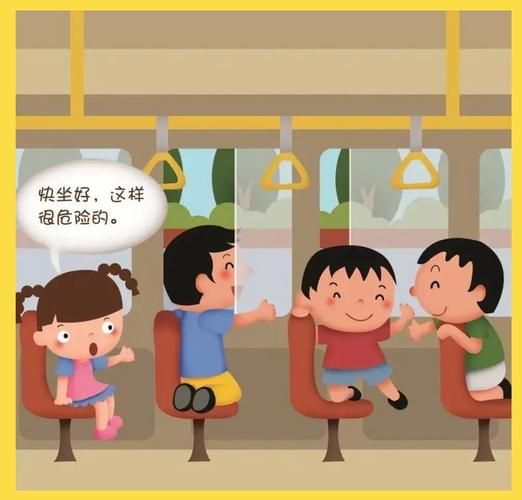
(b) when educating children to travel in public transport, observe the rules for the use of vehicles such as subways, buses and long-distance buses, and when they are parked, get up and out of the car in an orderly manner; they are not on unlicensed vehicles or overload vehicles
(b) to guard against the blind areas of cars and to warn children of the dangers of stopping cars and to remind them of the “three nos”: not running in front, not staying behind, not standing by
(b) travel in private cars, in order to ensure that the vehicles are in good condition, and that children are not placed in co-pilot positions and that children under the age of 4 are given a safe seat
Parents are also required to wear seatbelts when driving, do not look at mobile phones, do not drink, do not work and travel safely。
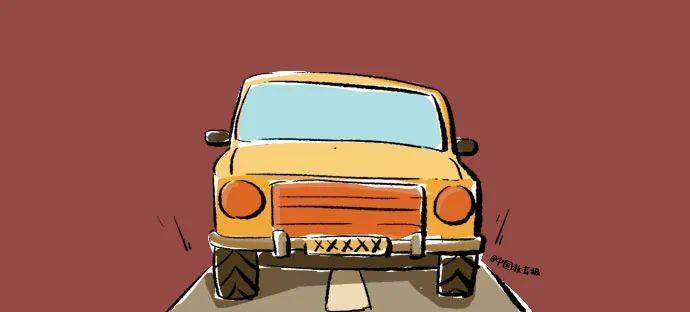
Travel safe
When travelling, close the power mains, gas valves and gas valves in the home, clean up the balconies of the balcony and do household fire safety
When parents take their children out of the house, they must not let them out of their sight, and they must always remember their parents ' names, addresses, telephones, etc
When parents take their children to play with them, they carefully read the instructions and choose the appropriate play equipment according to the age and height of the child
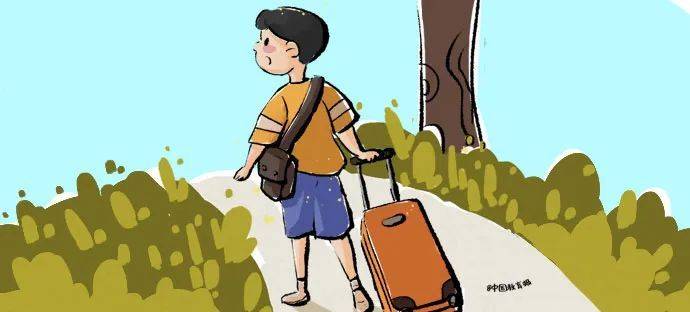
Drifting, boating, etc. Are dangerous in themselves, and parents must not be absent. In addition to helping the child to comply with the requirements for protection, such as wearing life jackets, care must be taken to keep the child safe in case of an accident
(b) selecting regular areas where children can play in safe areas and avoid entering undeveloped areas
When bringing a child near nature, beware of mosquito bites. If the child is brought to play in the grass, it is best to wear pants and sneakers that do not show his/her neck, and to provide the child with protection against mosquitoes。
Cybersecurity
In order to prevent children from becoming obsessed with the internet, parents are required to agree with the child on the duration of the day-to-day internet access, to rationalize the time spent on electronic products such as mobile phones, computers, etc., and to keep up to date with information on the child's registered video game account's contribution
To educate children to use the internet correctly, and to ban publication and transmission of false information
Educating children not to browse unhealthy web pages, not to register unacquainted web accounts, not to become obsessed with games, and to be civilized and green
(a) to teach children the necessary knowledge of cybersecurity, so that they can remember “one by one”, i. E., the absence of a click on an unknown link, the inaccuracies of strangers, the non-disclosure of personal information and the verification of transfers
Particular attention has been paid to fraud in the form of online billings, game benefits, free access to mobile phones, red bags, net purchases for return and loss of mail。
Extreme weather safety
At present, extreme weather events, such as heavy rains and thunderstorms, are beginning to increase, and parents are required to pay timely attention to weather forecasting and disaster warning information to educate their children not to leave during heavy rains or thunderstorms
(a) thunderstorm weather should be far away from high buildings and electricity facilities, dangerous areas such as rivers, ponds and reservoirs, and from hazards such as floods, thunderstorms, mudslides or landslides
In the event of heavy rains on the way out, please note the security warning signs and avoid drainage wells, ditches and water dumps and find safe havens nearby; in case of an emergency, call 110, 119, 120, etc。
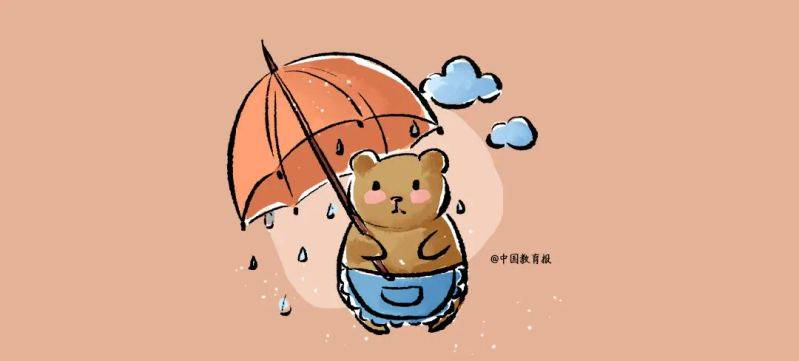
Food security
(b) to educate children about healthy and regular diets, to eat on time and not to eat badly
Non-purchase of obsolete, spoiled, exotic foods and “three-nil” foods
No drinking of raw water, no eating of unknown fruits, fruits and food, no eating of high-risk foods such as wild bacteria, no buying of food sold in unlicensed stalls and protection against food poisoning。
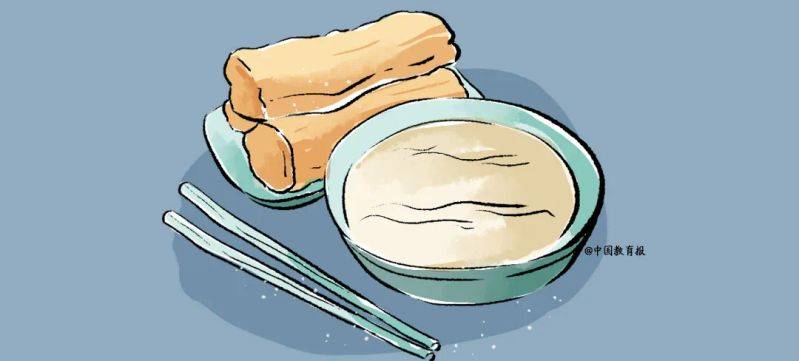
Home is safe
(b) maintenance of indoor cleaning, frequent ventilation and frequent disinfection of routine supplies
Tell the children not to open doors to strangers when they are alone
To educate children to stay away from dangerous areas such as balcony, window stand, etc
To teach children not to play with sharp objects such as scissors
Placing medicines and hazardous chemicals in places where children are not easily accessible, so as to prevent children from eating or drinking。
Fire safety
(b) informing the child of the danger of a fire, educating the child not to play with fire and leaving the child alone in the home with items such as matches and lighters
(b) to protect against electric vehicle fires and to ensure that parents are not charged in public areas, such as public entrances, evacuation corridors, stairwells, empty floors, safe exits, etc., and cannot bring batteries home to recharge
The charging of electric bicycles in ways that do not meet the technical standards and regulations for fire protection, such as the use of private power lines and rags
To help the child acquire the necessary fire safety knowledge, the child is advised to call 911 at the first time to ensure his safety when he finds out about the fire。
To parents and children
A safe and happy holiday