Autonomous intellectual property rights
Introduction
This document is intended to provide detailed information on autonomous intellectual property rights, including definitions, materiality, application processes, etc。
Definition of autonomous intellectual property
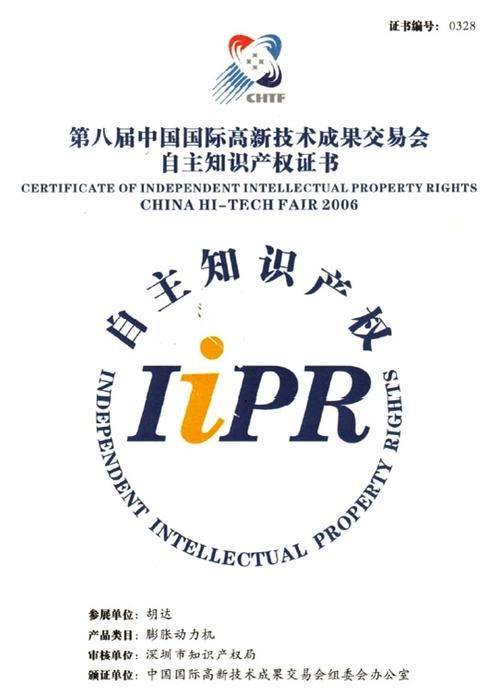
Autonomous intellectual property rights (iprs) refer to intellectual property rights created by enterprises that are independent and complete, including patents for inventions, practical new patents, patents for visual design, software copyrights, etc。
3 - importance of autonomous intellectual property rights
3-1 protection of innovation outcomes: application and protection of autonomous intellectual property rights can prevent abuse by others and protect enterprises from copying or misappropriation of innovations。

3-2 preservation of competitive advantage: ownership of autonomous iprs can increase the competitive advantage of enterprises and give them unique technologies or products in market competition。
3-3 increases in business value: autonomous intellectual property rights can increase the commercial value of enterprises and increase their market position and market value。
Classification of autonomous intellectual property rights
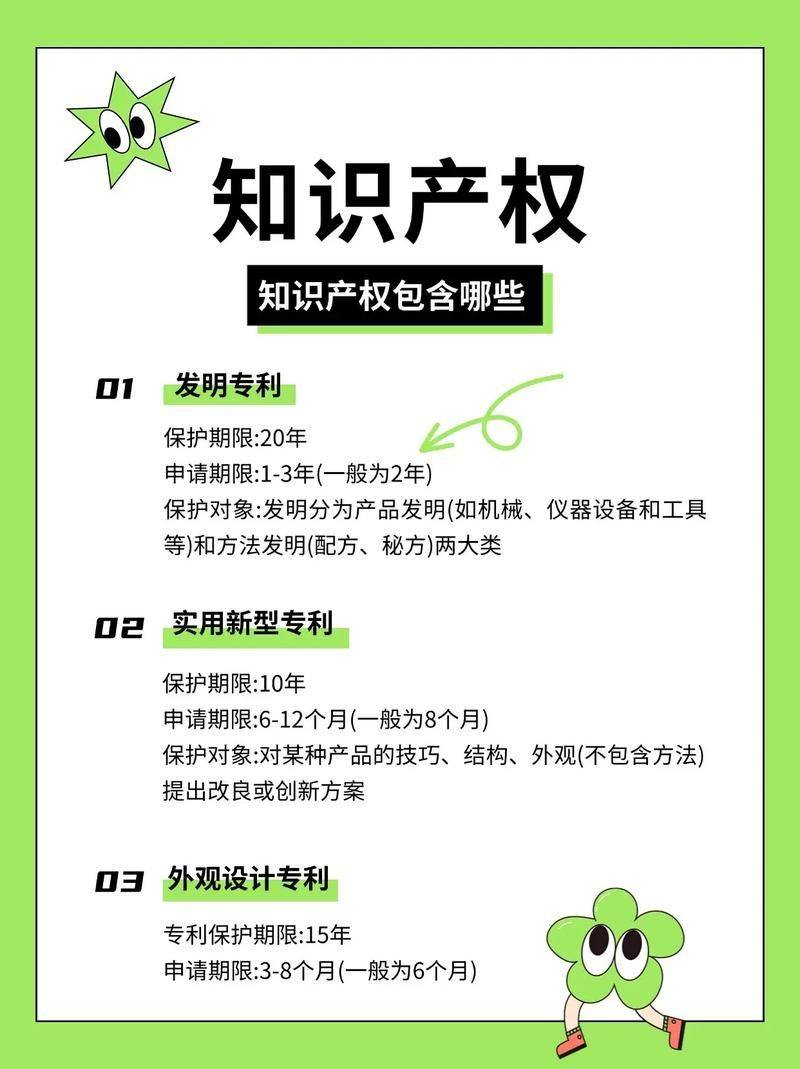
4-1 patent of inventions: the protection of new technological inventions is creative and practical。
4-2 practical new patents: the protection of improvements in the structure or shape of products, etc., is practical。
4-3 appearance design patents: appearance protection in product shapes, patterns, etc., is aesthetic。
4-4 copyright for software: copyright protection for computer software。
5 - application process for autonomous intellectual property rights
5-1 preparation of applications: including patent applications, statements, claims, etc。
5-2 payment of fees for applications: payment of fees for patent applications in accordance with established fees。
5-3 submission of applications and preliminary examination: submission of applications to the intellectual property directorate and preliminary examination。
5-4 publication and substantive review: post-preliminary review qualified, followed by publication and substantive review。
5-5 authorization and maintenance: upon compliance with all review requirements, the intellectual property office will authorize patents and will be required to pay an annual fee on an ongoing basis。
6 - annex
The annexes to this document are as follows:
Annex 1: model application for autonomous intellectual property
Annex 2: model autonomous intellectual property claims
Annex 3: costing standards for autonomous intellectual property
7- legal terms and notes
7-1 intellectual property authority: the national intellectual property authority, the state administration body responsible for the administration and protection of intellectual property。
7-2 patent application: documents submitted by the applicant to the intellectual property office for patent application, including patent application for invention, application for practical new patent, etc。
7-3 description: part of patent application detailing inventions or practical new technological options。
7-4 claims: the scope of the rights claimed by the applicant is specified in the patent application。