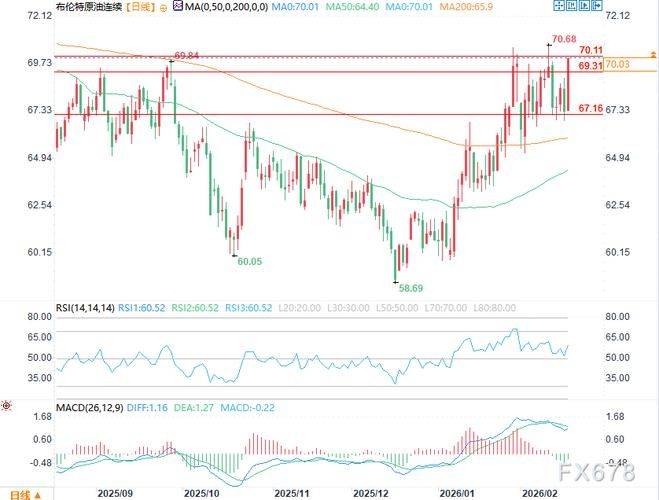
The diesel market is sending a strong signal, which seems to be becoming a real macro-pressure point. The european price of diesel futures, which touched at one point at $1498 per ton (equivalent to more than $200 per barrel), was at its highest level since 2022, with a 9. 7 per cent increase in the london market. Before that, the iranian conflict escalated — american-israeli attacks and retaliation in tehran — – the strait of hormuz has essentially been closed. Since the outbreak of the conflict more than a month ago, the price of diesel has nearly doubled, indicating that the shock is not only geopolitical, but also directly transmitted to core energy pricing。
The supply mechanisms driving this trend are rapidly tightening. The interruption of the strait of hormuz has led to the withdrawal of millions of barrels of finished oil from circulation, and the availability of diesel fuel has been squeezed against the backdrop of the continuing structural importance of demand. Meanwhile, crude oil prices in the london market have risen by about 50 per cent, and some refineries have been forced to reduce fuel production. Dealers are now competing to obtain crude oil supplies and divert goods more than 12,000 miles, which adds to friction and costs throughout the system. As there is no clear timetable for reopening the strait, the market appears to be pricing a long-term interruption rather than a short-term mismatch。
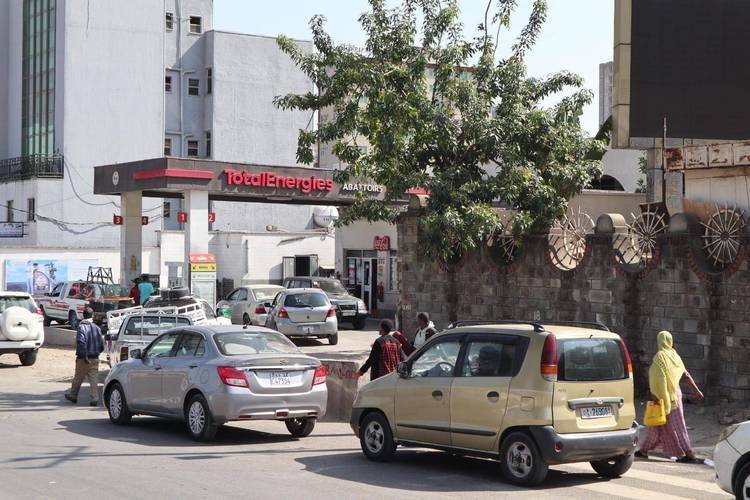
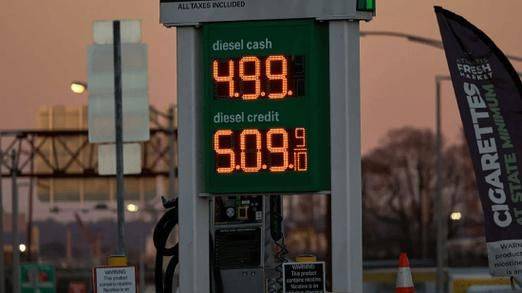
This pressure is beginning to spread to already tense areas. Traders and analysts have indicated that europe, which is usually dependent on imports to meet diesel demand, may face shortages for weeks if supplies are not restored; a similar pattern is beginning to emerge in latin america. This trend has also been reinforced by pricing signals in other regions: the price of diesel in the united states has risen to more than $4 per gallon, while, based on fair-value estimates, the benchmark price in asia was once over $200 per barrel. Given the critical role of diesel fuel in transport, construction and industry, continued high prices could further exacerbate global inflationary pressures and add another layer of complexity to investors in an already uncertain macro-environment。