Summary: this paper aims to share some of the ui-designed interview experiences, including important pre-interview preparation, interview techniques and attention, and post-interview reflections, to help readers emerge from the ui-designed interview。
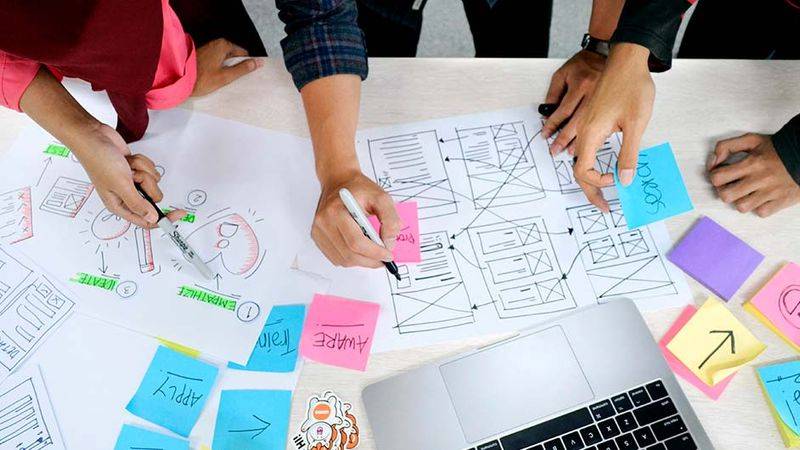
I. Key pre-interview preparations
1. Understanding job requirements: prior to interviews, recruitment information should be carefully read to understand the firm's specific requirements and expectations for ui designers and to identify job requirements and required skills。
Update of curricula vitae and collections: update the curricula vitae and collections in a timely manner, according to job requirements, highlighting their strengths and highlights. At the same time, ensure that the content of the collection is sufficiently broad and deep to demonstrate its design capabilities and experience。
3. Preparation of interview issues: to collate, prepare and adequately prepare for a number of common interview issues based on past interview experience and recruitment information. For example, issues related to design thinking, project experience, teamwork, etc。
Learning industry dynamics and trends: to understand new trends and technologies in the current ui design industry, to have some knowledge of design tools and software, and to be able to apply them in practice to demonstrate their professional qualities。
Ii. Training technology and positions in the exercise
1. Showcasing personal characteristics: in interviews, be able to highlight their own personal characteristics and strengths, such as unique design styles, excellent creative thinking or excellent teamwork. Impressed interviewers have been able to improve access。
2. Question answer techniques: in answering interview questions, express views clearly and succinctly, with a focus on logic and logic. The star act (situation, task, action, result) can be used to organize responses, highlighting their own work experience and results。
3. Presentation of project experience: in interviews, it is important to present its own project experience in a targeted manner, highlighting projects related to job requirements. A case-by-case presentation of its own design thinking, problem-solving capacity and project results can be made。
4. Interaction with interviewers: actively interacting with interviewers during the interview process, demonstrating confidence, friendship and positive communication. Questions can be asked about companies and jobs, demonstrating their interest and enthusiasm for companies。
Iii. Summary reflections following interviews
1. Summary of interview performance: after the completion of the interview, make a timely summary of the performance of the interview, including its strengths and weaknesses. Assessments can be facilitated by interviews, feedback and own observations。
2. Continuous learning and promotion: maintaining a learning and promotion attitude regardless of interview results. Their design capacity and professionalism could be continuously enhanced through learning new design theories, training and practical projects。
3. Record interview experience: each interview is followed by a timely recording of interview experiences and lessons learned and a summary of their interview skills and experiences. These experiences can help to better prepare and perform during the next interview。
4. Seeking feedback and advice: interviewers or hr offices can be approached for feedback and advice on the results of interviews, if they have the opportunity to do so. These feedbacks and recommendations can help to better understand one's weaknesses and improve on subsequent interviews。
Through the above preparatory work, interview techniques and steps to summarize reflection, readers are confident that they will be more confident in the design of the ui interviews and improve their chances of success. It is hoped that this will help readers in the ui design interview。