


Summary: the development of china's passenger traffic routes began in 1982 and is now in a golden period of booming growth with china's tourism industry since 2016. As the new coronary pneumonia epidemic improved in 2022, the chinese passenger cable truck market began to grow again, reaching 450 million yuan, an increase of 39. 8 per cent over 2021。
Definitions and classifications
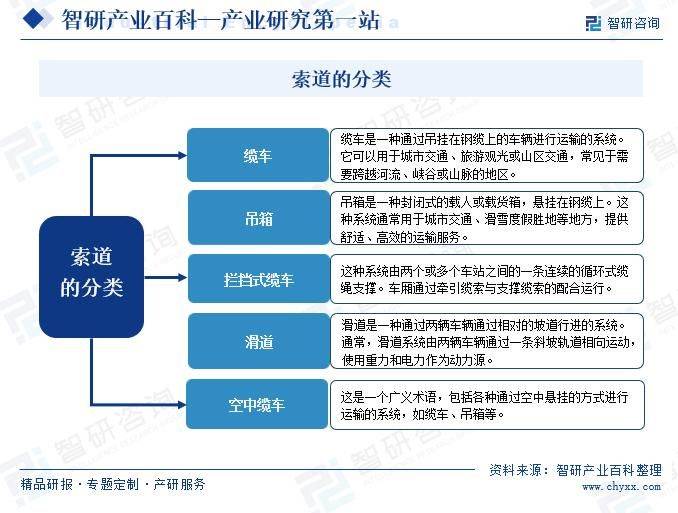
It is also referred to as an air cable vehicle, which is a means of transport, usually consisting of one or more continuous wires or cables for the transport of persons, goods or materials between two or more fixed points. Sowway systems are usually divided into the main types of cable, crane, blocker, taxiways and air cables。
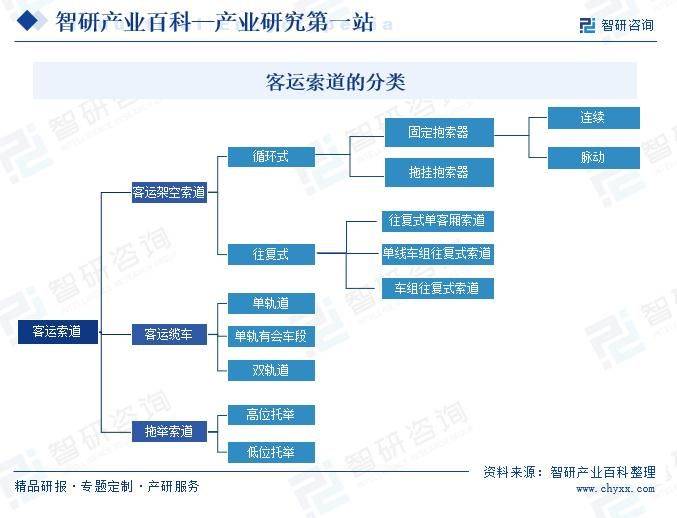
Although there are various classifications, passenger lines can be divided into passenger circuits, passenger cables and passenger tow routes, mainly on passenger lines。
Ii. Industrial policy
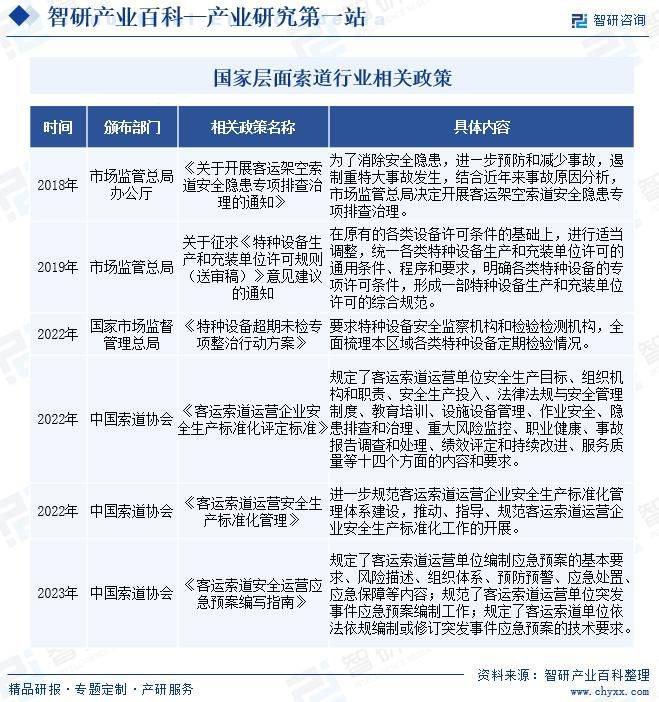
Relevant policies at the national level
Domestically, sodo is still in its infancy in china and has yet to develop a system of scalable and standardized industries. In recent years, however, the national security authorities, institutions and agencies involved in the design, manufacture, maintenance and operation of such facilities have strictly enforced the relevant laws, regulations and standards, adhered to a safety-first, preventive and comprehensive approach, established a comprehensive system of prevention and emergency preparedness, and maintained a safety-testing system. The timely detection of problems and potential for accidents has been modified through security clearance, periodic testing and annual testing, reducing the probability of accidents. With the economic and social development of china and the improvement of the living standards of its people, as well as the refinement of and support for policy and regulatory frameworks, the sodo industry will usher in a period of opportunity for rapid development。
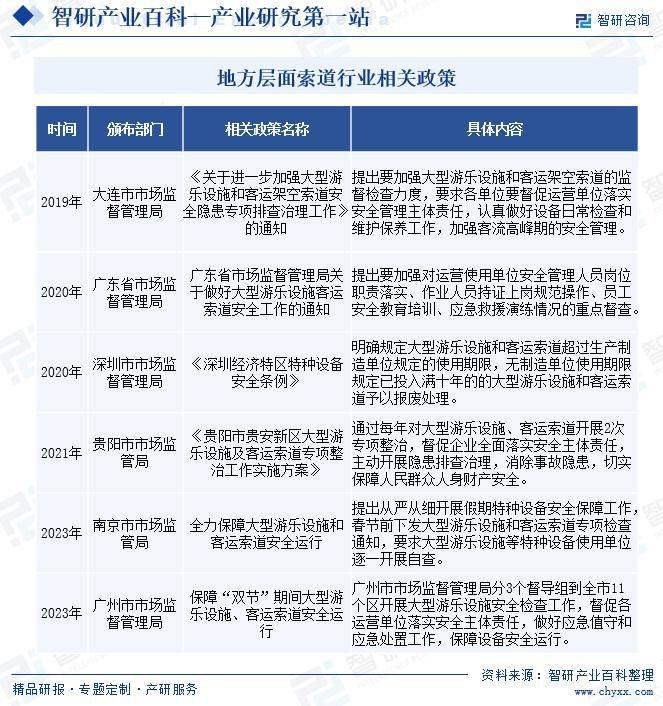
2. Relevant policies at the local level
In recent years, as part of a national seminar on market regulation, to eliminate security risks, to further prevent and reduce accidents, and to curb the occurrence of major accidents, market regulators throughout the country have been working to monitor the quality and safety of the products of the special equipment in question and to ensure the safety of large-scale recreational facilities and passenger terminals。
Iii. Development history
The origin of sodo can be traced back to ancient times. In the 2nd century b. C., ancient greeks and romans have begun to transport materials such as stones and timber using simple solo systems. In 1801, william moore of the united kingdom invented a steam engine-driven taxi system. This invention is considered a pioneer of modern zodiac. It was then widely used in areas such as mines and construction sites。
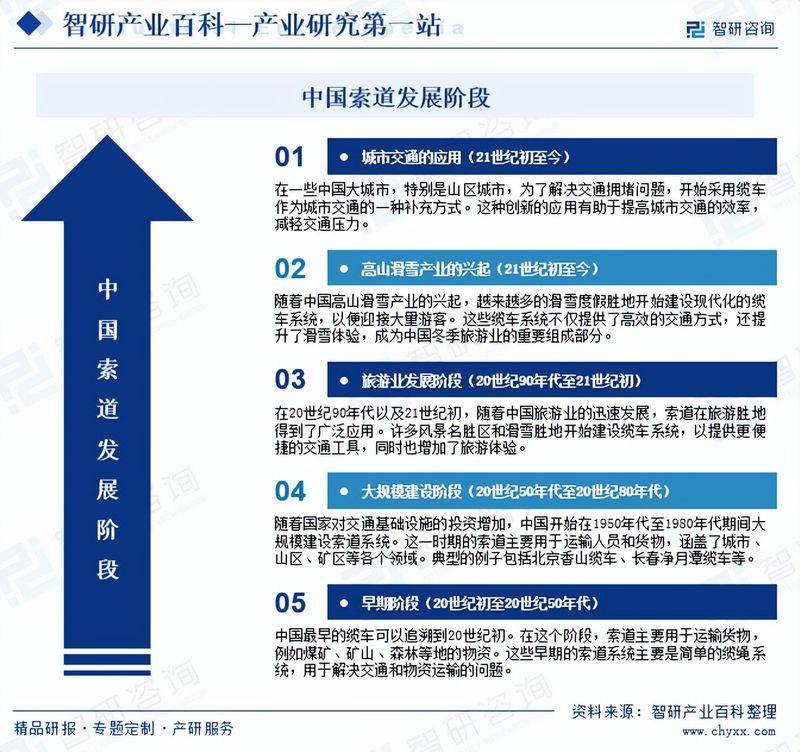
China's long-term development process dates back to the early twentieth century, and so far it has gone through four phases (from the early part of the twentieth century to the 1950s), a large-scale construction phase (from the 1950s to the 1980s), a tourism development phase (from the 1990s to the early part of the twenty-first century), and the emergence of the high-mountain ski industry (from the beginning of the twenty-first century to the present)。
After centuries of development and innovation, it has gradually become an important vehicle. It not only addresses transport issues, but also serves as an important facility for tourism and engineering and is now widely used in such areas as tourism, urban transport and mountain transport. As technology continues to improve, the speed, safety and comfort of the quests continue to increase, and there will be more room for innovation and development in the future。
Industry barriers/risks
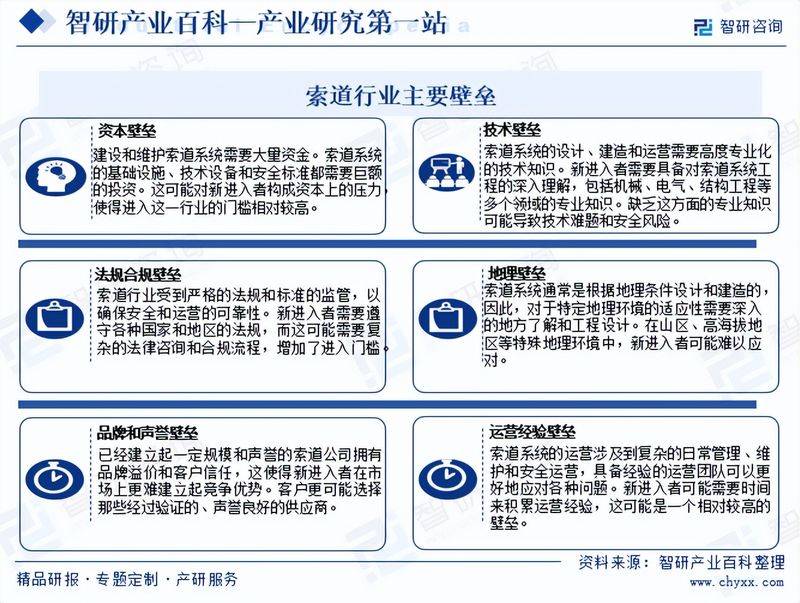
Main barriers to industry
Barriers such as capital, technology, regulatory compliance, geography, brand name and reputation, and business experience have led to relatively closed trades, and entryists have to overcome multiple difficulties. However, once successful entry and build-up, sodo may gain a relatively strong position in the market。
2. Industry risks
The sorceress industry faces a wide range of risks related to technology, security, economy, regulation, environment, market competition and reputation. Sodo needs to take measures to reduce these risks, including enhanced security management, compliance review, technological innovation, transparent communication and the establishment of a close contingency plan。
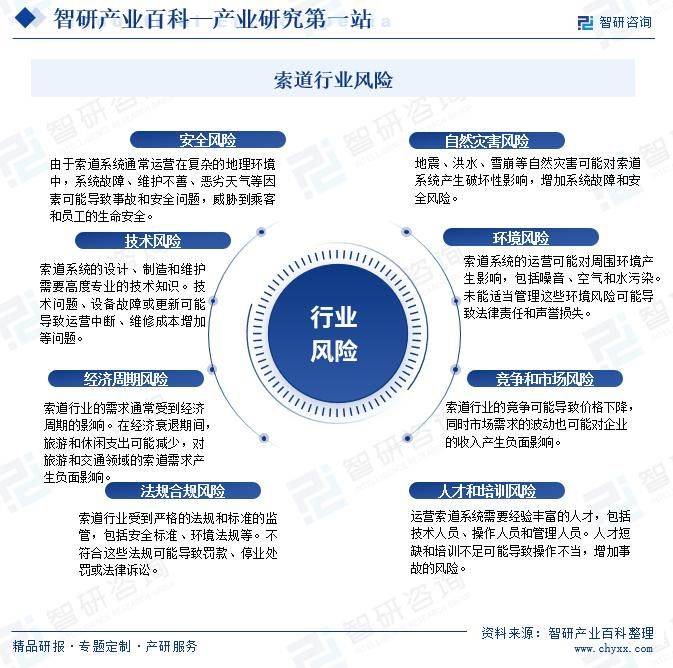
Note: this paper is taken from the isp encyclopedia platform and can be accessed through the isp network for more industry information and customized services。
The isp encyclopedia is a research tool platform launched by isp. Isp works on the corporate mission of information-driven industrial development, refines and enriches the business methodology, enhances the value of information based on the industrial encyclopedia and continuously empowers industry development and enterprise investment decisions. As a one-stop systematic research tool for the sorbonne industry, the sorbonne industrial encyclopedia provides a comprehensive overview of knowledge information on the sorbonne industry, covering definitions, classifications, policies, industrial chains, patterns of competition, trends, etc., and building on information technology to create an intellectual knowledge map of the industry, providing in-depth insight and comprehensive information for researchers and relevant investors。
Isps are branded as “information-driven industrial development, enabling enterprise investment decisions”. Professional industry advisory services are provided to enterprises, mainly in the areas of quality studies, tailor-made, monthly topics, researchable reports, business plans, industrial planning, etc. Regular reports and customized data, including weekly/monthly/quarterly/annual reports, covering policy monitoring, business dynamics, industry data, product price changes, overview of investment financing, market opportunities and risk analysis。



