I. Precise: 4 forms of settlement on export declarations
When processing customs clearances, exporting enterprises are required to fill in the way in which the goods are traded, which is an important basis for customs statistics and tax verification. According to the incoterms 2010, currently the latest version of incoterms 2020, which is consistent with both core rules and is common in customs practice), and our customs regulations, the four types of transaction that are common in customs declarations are:
Fob(free on board): ship delivery price
This is one of the most common forms of dealing, where the risk and ownership are transferred from the seller to the buyer when the goods are loaded on a ship designated by the buyer at the port of shipment. Subsequent sea freight, insurance, etc. Are borne by the buyer, and the seller is only responsible for transporting the goods to the port of shipment and completing the loading of the ship (note: incoterms 2020 has been deleted from the expression “overboard” and harmonized for “loading the goods on the buyer's designated ship”, while customs still accepts “shipboard” as the risk transfer visual test。
Cfr(cost and freight): cost plus freight
It needs to be specified that the cfr is essentially the same term as the cnf. Crf is an old or common term for cfrs (the crf was used extensively in early international trade and subsequently the incoterms regulation was harmonized into cfrs, but in practice there is still practice where enterprises are customarily expressed in crfs, both are acceptable when customs clearances are made and the system is automatically identified as the same mode of dealing)。
Under this modality, the seller is required to bear the cost of the manufacture of the goods and the shipping freight from the port of shipment to the port of destination, but is not responsible for the purchase of cargo insurance. When the goods are loaded on a ship designated by the buyer, the risk passes to the buyer, who is required to insure itself against the risk of damage to the goods。
Cif (cost, insurance and freight): costs, insurance and freight
The seller is required to bear the cost of the goods, the shipping freight from the port of shipment to the port of destination, and to purchase a “minimum risk” maritime transport insurance for the goods (usually safe and otherwise agreed if the buyer needs a higher risk). The risk passes to the buyer when the goods are loaded on board the ship and the seller is required to provide the buyer with a full package of documents such as insurance documents, bills of lading, etc。
Other special forms of transaction (e. G. Ddp, dap, exw, etc., less common in customs declarations)

Because of the complexity of the division of responsibilities and the difficulty of accounting for costs, such approaches represent a very low proportion of general export declarations and are more appropriate to the special trading landscape of long-term cooperation and fixed destinations。
Understand: what is the fob fob price
The heart of fob (free on board) is that “the seller's liability ceases when the goods are loaded on a ship designated by the buyer” - it is commonly said that as long as the goods are successfully loaded on board the ship, the subsequent maritime risks (e. G. Shipwreck, loss of goods), freight costs and insurance costs are borne by the buyer. For example, if an enterprise in guangzhou exports toys to the united states under fob, the company has nothing to do with shipping them to the port of guangzhou, loading them on cargo ships designated by united states clients, subsequent freight charges from guangzhou port to the port of los angeles in the united states, insurance, and the risk of loss of goods in transit。
It is important to focus here: whether the export contract is signed by cif, cfr (or cnf) or other sea way of doing business, the exporting firm must convert the transaction price to fob price when recognizing income and paying back taxes
For example, if the contract is signed at the cif price of $100,000 (of which $800 is for shipping freight and $200 for insurance), the cost of shipping insurance will first be deducted from the fob price of $900 (10000-800-200) as the basis for revenue recognition and tax refund。
Core reasons: 3 the grand logic makes fob the “industry calibration”
That's the core reason, with a clear policy basis! According to the circular of the ministry of finance of the general state tax administration on value added tax and consumer tax policies for export goods (2012) article 2 (2) states:
More crucial is the “multisectoral data connection”: customs collects the fob prices of goods at the time of export declaration (where otherwise transactions are made, the system requires the payment of shipping premiums and automatic conversion of fob prices) and synchronizes the data with the tax administration and the foreign exchange administration. If an enterprise does not recognize income at the fob price, it will result in “business book income — customs fob data — returns data”, which will directly trigger tax early warning, while tax refund verification may be suspended and the weight may be considered “aberrant” to affect the tax credit rating of the enterprise。
Good accounting practices: avoiding “mistakeful” and more accurate accounting
The freight and insurance costs included in the cif, cfr (or cnf) price are essentially “seller-in-charge” costs - the core business of the enterprise is “sale” rather than “provision of transport, insurance services”, which are not part of the enterprise's “business income” and which, if directly accounted for, would result in accounting distortions。
The recognition of income at fob prices, which clearly separates “goods income” from “insurance premiums”: the inclusion of the amount corresponding to the fob price in the “primary business income”, the inclusion of transport premiums in the “other accounts payable” and then the elimination of the subject, are fully consistent with the requirement in eas 14 - income that “income should reflect the total inflow of economic benefits arising from the day-to-day activities of the enterprise that would lead to an increase in the rights of the owner and that are not related to the investment of capital by the owner”, and avoids the disruption of revenue data by fluctuations in the cost of transport (e. G., higher oil prices leading to a sharp increase in freight costs)。
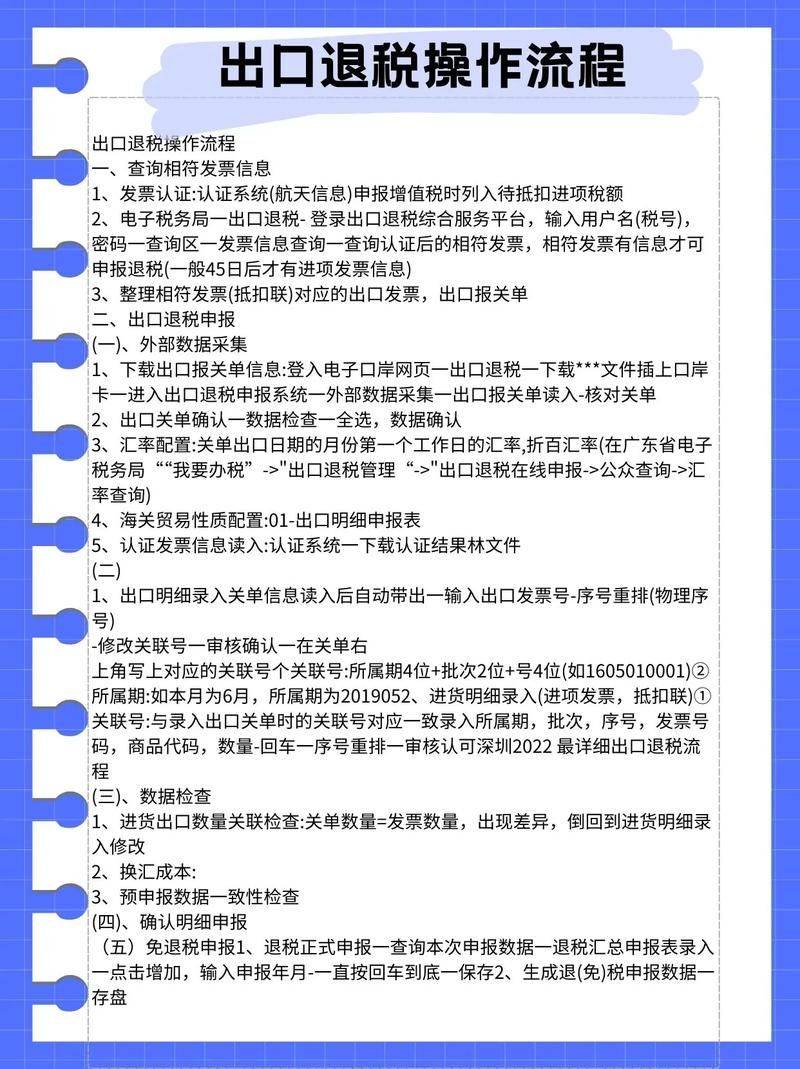
A practical example (assuming 7. 0, with no value added tax):
Borrowed: accounts receivable - foreign customer $700 (10,000 x 7. 0)
Loans: main operating income - export revenue $62,300 (8900 x 7. 0)
Loan: other accounts payable - freight premium payable €7700 (1100 x 7. 0)
Borrowed: other accounts payable - shipping premiums payable $77,000
Loans: bank deposits - foreign currency accounts 7700 yuan
In this way, the “primary business income” reflects only the value of the goods themselves, clear accounts, and an accurate picture of the real operations of the business when following tax verification and financial analysis。
3. Risk evasion: reducing disputes and compliance costs
The core advantage of fob's price is that “risk transfer nodes are clear” - when the goods are loaded on board the ship, the division of responsibility is completed, and subsequent disputes, whether of loss, delay or transport, are settled by the buyer in consultation with the carrier, insurance company, and the seller is not involved. Cif, cfr (or cnf):
From a compliance point of view, revenue recognition at fob prices also avoids tax risk: if an enterprise includes the premium in the cif, cfr prices directly into the income, it may be considered by tax authorities as “micro-income” (because the premium is not taxable by the enterprise) or even sentenced to “unaccountable taxable income” and face penalties for tax surcharges and withholding payments; while fob prices confirm that data are fully compatible with the three customs, tax, and fafra systems, which minimizes the risk of verification and reduces the cost of corporate compliance。
Iv. Common error zones: these pits must be avoided! "cdf and cfr, unlike cfr, are they to be filled separately when declared?"
As mentioned earlier, cnf is an old term for cfr, both of which refer to “cost plus freight costs”, either name is available at customs declaration, and the system is automatically identified as the same transaction, without any deliberate distinction。
“the cost of the insurance is borne by the customer, so it is not deducted from the income?”
Wrong! When fob is concluded only, the premium is paid directly by the buyer to the carrier or insurance company, and the seller is not required to deduct it; if the contract is entered into for cif, cfr (or cnf), the premium is first paid by the seller (or included in the quotation) and then recovered through the lump sum, which is “remunerated” and must be deducted from the income, otherwise the income is not increased by any amount or the stamp duty (note: the export contract stamp duty is calculated on the basis of the contract amount, and the premium is overpaid if the premium is included)。
“the contract is signed by fob, so that revenue is recognized directly at the contract price?”
• not entirely! It is necessary to ensure that the contract fob price corresponds to the customs declaration fob price (customs allow a reasonable difference of ±5 per cent, as the actual quantity of the load may be slightly different from the contract). If the difference exceeds 5 per cent, a statement (e. G. A bill of lading, bill of lading, etc.) must be provided to the tax administration, otherwise it will affect the review of tax refunds; if the discrepancy is too large and no reasonable proof can be provided, it may be considered “an incorrect declaration”。
“all export operations recognize income at fob prices?”
Wrong! This applies only to “maritime exports” and the transfer of risk to operations at the port of shipment (e. G. Fob, cif, cfr). If revenue is recognized for air transport (e. G. Fca, cip), land transport (e. G. Cpt) or risk transfer operations at the port of destination (e. G. Ddp, dap), it is required to match the “fob” (e. G. Fca and cpt prices for air transport) and cannot be compulsorily converted to maritime fob prices。
Summary: fob recognizes revenue, which is essentially “compliance + efficiency”
Exporting enterprises recognize income using fob fobs, not “industry practice”, but “best solution” under the triple logic of policy requirements (basis of tax refunds), accounting standards (income accounting), risk control (responsibility allocation) - like a “harmonized rule” that allows for consistency in business book data, customs clearance data, tax refund data, both to avoid accounting confusion and to reduce the risk of compliance。
Simply put, the fob price is the “common language” of the export business by which revenue is recognized, allowing an enterprise to “slow down the curve and not step down” in its entire process, especially for small and medium-sized exporting enterprises, which is the lowest cost and the least risk accounting option。