The most annoying part of the cask is the blasting algae: the kelp climbs over the walls of the cask, the filamental kelp wraps around the grass, and the hard-working scene becomes the "green hairy nest". Many people think it's too filtration, too fat, but the problem may be in the light of the light — the light is too long, too strong, it's an algae feed。
Today, three simple light techniques are shared, with no light change, no equipment, no adjustment, and the algae can really be halved and the waterweed can grow more spiritually。
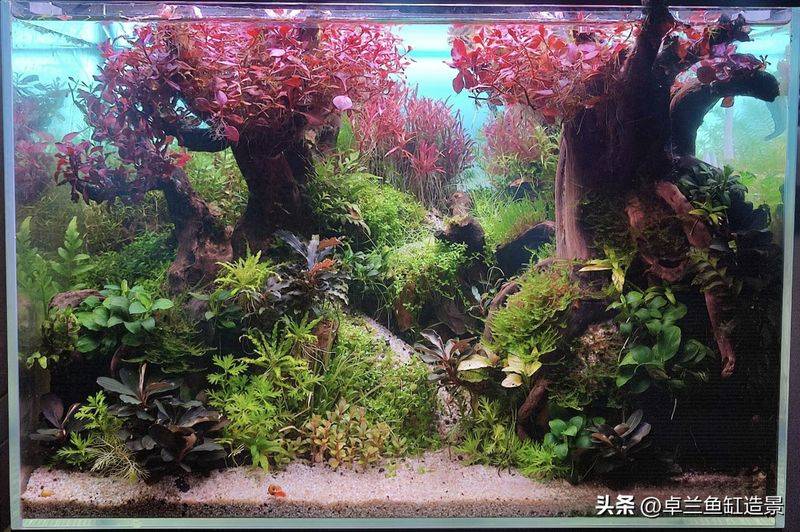
Basic length of time: not more than eight hours, the new tank is more “short light”
Many newcomers felt that “the longer the lights go on, the faster the grass grows”, the result being 10 hours a day, the grass is not long, and the algae go crazy first. In fact, weeds, like humans, need to be “interchanged day and night” in order to properly absorb nutrients and grow leaves when lights are off。
Correct schedule:
- new cylinder (first 2-4 weeks): 5-6 hours per day。
The water grass that had just opened had not taken root and the nitrification system had not been stable, and strong light-light notes had allowed the nitrogen and phosphorus in the water to be absorbed first by algae, leading to “algae as though they were grasscrazy”. Short-light light gives watergrass and bacteria sufficient time to adapt and reduces the risk of blasting algae。
- stabilization period (4 weeks later): 7-8 hours per day is sufficient。
Whether it's negative grass (moss, water platinum) or positive grass (red palaces, pearls), this is a long time for light co-operation. After more than eight hours, the grass “can't eat” the extra light will be taken away by algae, especially in the summer, the high temperature + the long light, and the green algae will be able to climb into the cask for two days。
Pocket avoidance: don't believe in "a strong light to get out."
Positive grass does require strong light, but “light power” and “long” are two different things. For example, a 50-w herb lamp, which can meet demand in seven hours, does not need to be open for 10 hours — enough light, long enough to feed only algae。
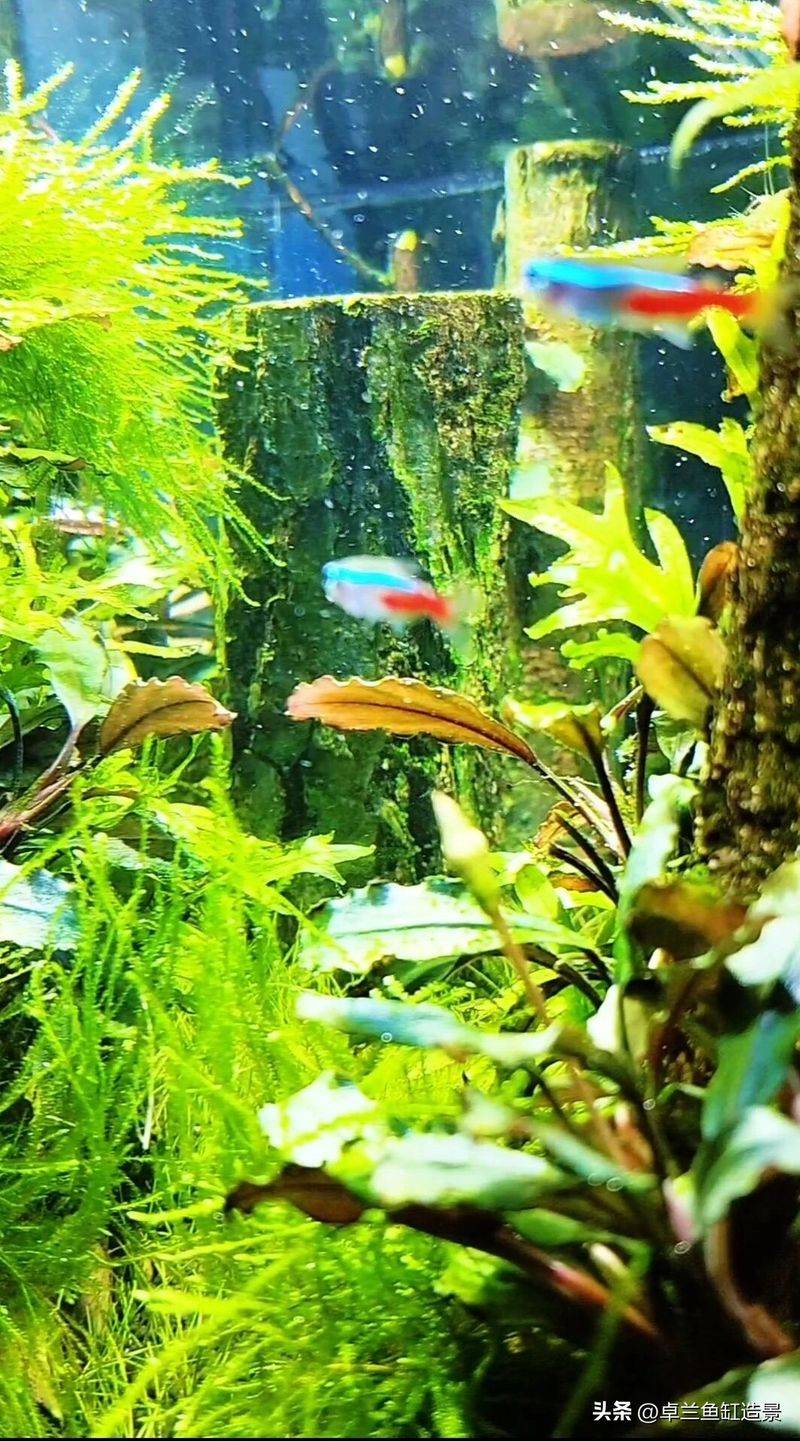
Progress technique: "slower and darker" simulation of sunrise, with water and grass not to be provoked
When the normal straw-cylinder switch lights are turned on or out, the light is “puzzled” and “highly irritated” for both weeds and shrimps: weeds stop growing as a result of sudden changes in light, and shrimps may jump and crash and cause stress disorder. Old players use the word "lightly dark," soft and protective。
Specific:
- in the morning light: 1/3 brightness, 30 minutes to 2/3 and full light in 30 minutes (like the sun rising slowly)。
- turn off the lights at night: one third of the brightness 30 minutes in advance, and then shut down completely 30 minutes later (like sunset)。
Benefits:
Water-grass blades have time to spread slowly and do not “burn” with sudden strong light (especially young leaves)
2. Shrimps do not suddenly move in such a way as to reduce the possibility of jumping and crashing
Algae hate “slow-changing light”, and sudden strong light is the signal of their eruption, which can be reduced by light。
There's no smart lights for the new guy
It is also okay to turn on a water-grass lamp without a gradient for 10 minutes in the morning and then for 10 minutes in the evening, leaving a light in the room for 10 minutes, with the same effect as the environmental light。
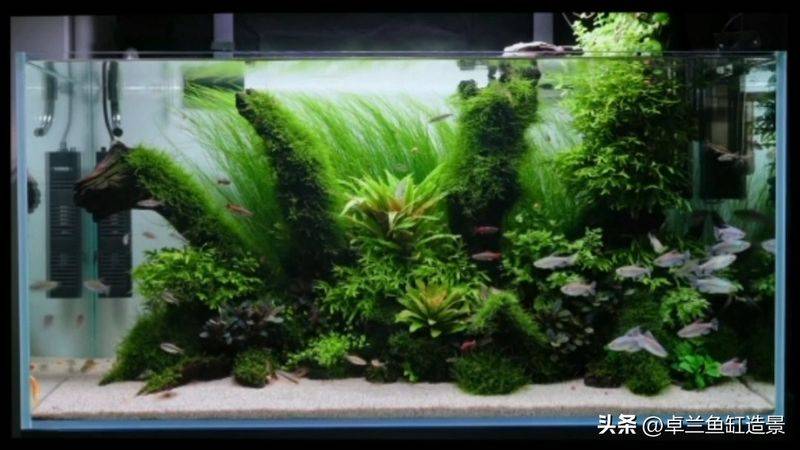
Old player's hideout: 2 hours at noon for “noon break”, cutting off algae breeding
This is a “killer” for the control of algae, especially for summer or window-side vials (with natural light interference). The principle is simple: 12 noon-2 p. M. Is the highest temperature and the strongest light in the day, and the most luminous time of algae cooperation, when the lights are turned off, which is tantamount to “food loss” for algae。
Specific arrangements (the total duration remains at 7-8 hours):
- example 1: 9 - 12:00 lights ~ 12:00 lights off 14:00 - 18:00 lights on 8 hours
- example 2: 8:00-11:00 lights 11-13:00 lights 13:00 lights
Why does it work
Waterweeds have the capacity to “reserve” and the nutrients absorbed during the day are stored, and the lights are off at noon without affecting growth; but algae (especially green algae, filamental algae) are “short-sighted” and must be sustained in light to breed, with the lights off in the middle for two hours, and their growth cycles are disrupted, weakening and decaying。
Note:
This approach is better suited to the positive cask (high light demand), which is not necessary (light 5-6 hours) and may lead to insufficient water and grass。
Wrap-up: straw-cylinder 3-word mouth
1. Do not be greedy: 5-6 hours for new tanks, 7-8 hours after stabilization, exceeding algae
2. Switches should be soft: light and dark simulate the sunrise, and the shrimp is comfortable
3. Power cuts at noon: 2 hours at high temperature and high light when lights are turned off and algae are cut off for long periods。
In fact, the rays of the herbs are like “eating food” for plants, not as long as they take, but “eating on time, slowly and not overdose”. You'll find that the shrubs are greener and thicker, and the walls are clean and clean for days。
How many hours a day do you turn on the lantern? Have you tried turning off the lights at noon? Let's talk about your algae control
# strawglass lighting # algae control # teaching cheng