Core status: shortfall of more than 800,000 and significant imbalance between supply and demand
- up to the end of 2025, there were 43. 97 million new energy vehicles in the country and less than 100,000 professional maintenance technicians
- ministry of industry and communications project: 1. 03 million new energy vehicle talent gaps in 2025, of which about 8. 24 million (80 per cent) are for after-sale maintenance
- **24. 7%** mechanics competent for battery testing and maintenance; ** less than 5%** intelligent driving maintenance; ** 24. 2%** electrician evidence
Core causes of shortfalls
1. High technology threshold, difficult transition
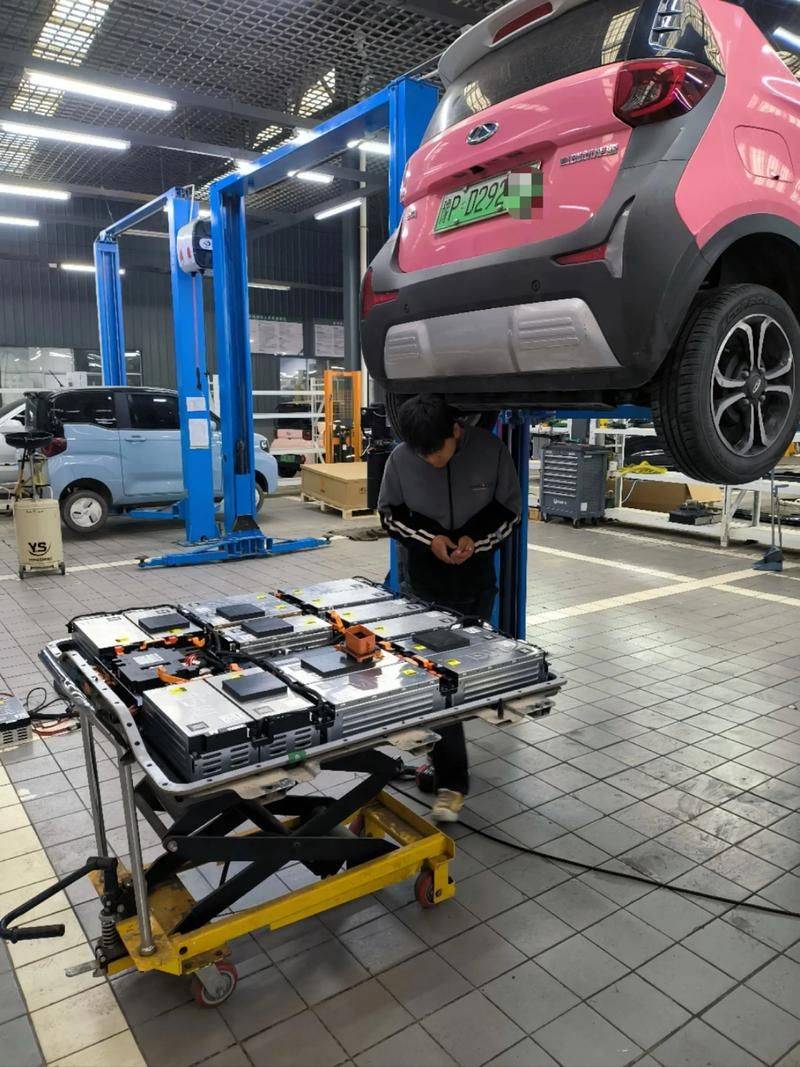
- core three power systems (batteries/electrics/controls) + high voltage + smart systems, which are completely different from fuel truck maintenance logic
- lack of electrical/electronic base for traditional technicians, transition requires systematic learning, long cycles, costs high
- high technological heterogeneity (upgraded every six months for motor/wise driving), knowledge is obsolete
2. Delays in development systems, costs high
- lack of national professional standards and lack of skills
- old vocational courses, expensive hands-on equipment (five times more than traditional equipment), insufficient teaching staff
- high cost of secondary training in enterprises (480 hours of specialized training for new recruits)
3. Sectoral barriers and market constraints
- three power core technologies are mostly monopolized by car companies/batteries, and third parties are not authorized to repair them
- third-party maintenance may lose quality assurance, owner favors 4s and squeezes the space of an independent store
Main impacts
- main end of vehicle: low network maintenance, long waiting periods, high price, “buying a car is difficult to repair”
- industrial end: after-sale short plates limit the spread of new energy vehicles; the first 3 million vehicles were concentrated in 2026-2028 and pressure surged
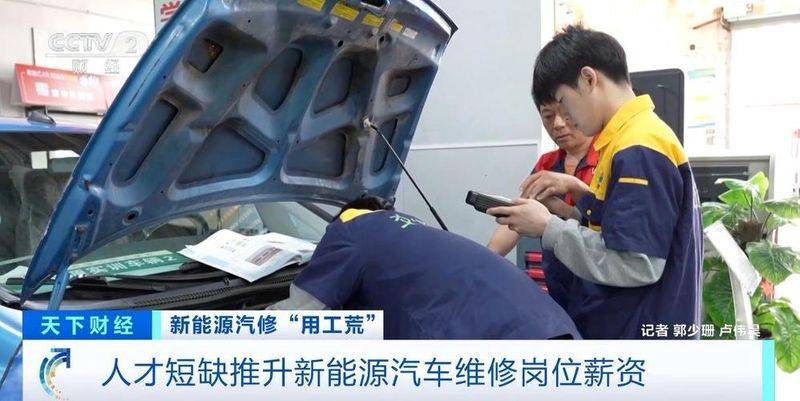
- talent: pay rises (1. 5-2 times higher than fuel trucks), but qualified technicians are still hard to obtain
Zero orientation (multiple synergies)
- colleges: further integration of maternity education, order classes, updating of courses, and provision of high-pressure training equipment
- enterprises: open technology authorization, co-establishment of training systems, lowering entry thresholds
- government: introduction of professional standards, subsidized hands-on training, promotion of skills identification and certification
- industry: building shared maintenance platforms and harmonizing technical norms