Walking aids
The walking aids are an important and common tool for helping patients with lower limbs to walk under rehabilitation, as well as helping patients with lower limbs with reduced muscles and reduced balancing functions to remain stable. It increases the support area for lower limbs and makes it easier for users to maintain a balance. Supported by walking aids reduces the weight of the lower limbs, reduces the stress of the hip, knee and ankle and reduces the pain between joints。
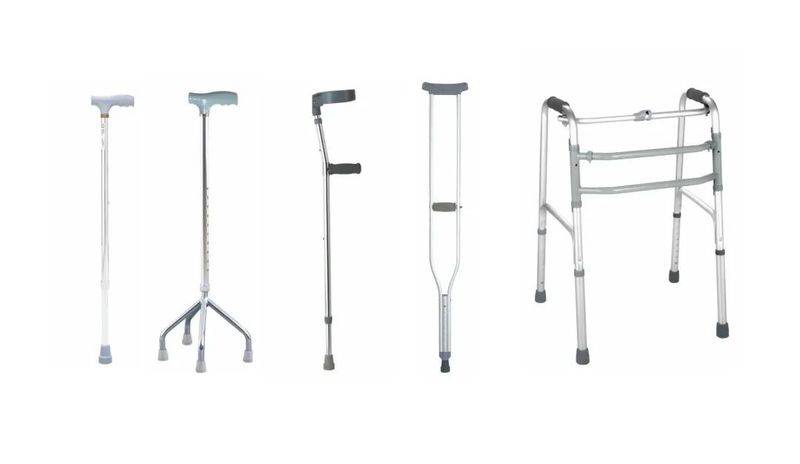
The usual walking aids are cane, armpit, elbow and mobility aids. They are important rehabilitation aids, and stability and safety are enhanced sequentially from the cane to the walker, with reduced flexibility。
I. The staff
Single-legged staff
The cane is not only for the disabled but also for the elderly. It is the lightest and most flexible of all, but it is also the most volatile, with certain requirements for users, suitable for those who are relatively balanced and able to walk。
There are mainly two common canes and other special forms. The four-legged cane has increased support and is therefore more stable than the one-legged cane. The following is an example of a four-legged staff with a side leg marked pink。
How to regulate the use of the four-legged cane
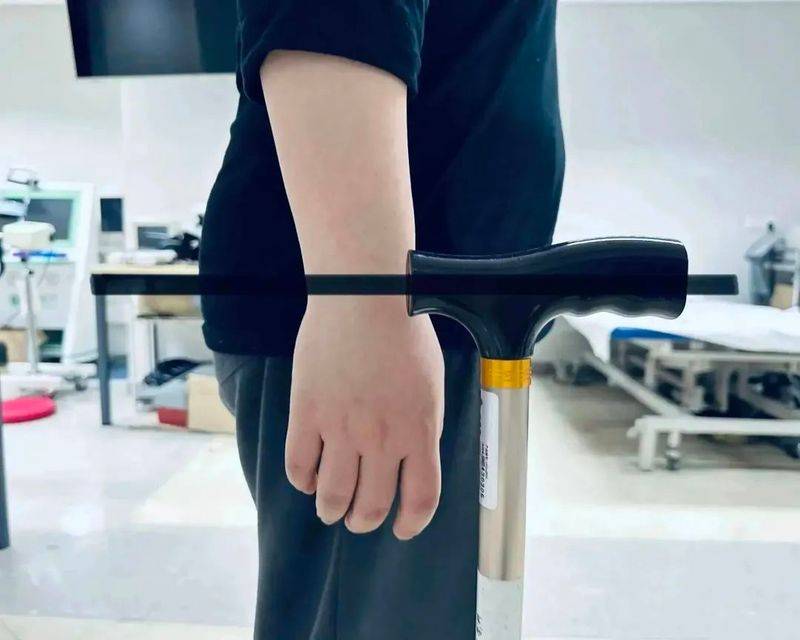
Hand handle height: the height of the femur's large rotor, i. E. The position where the wrist is flat when the arm is naturally down when standing. (top left figure)
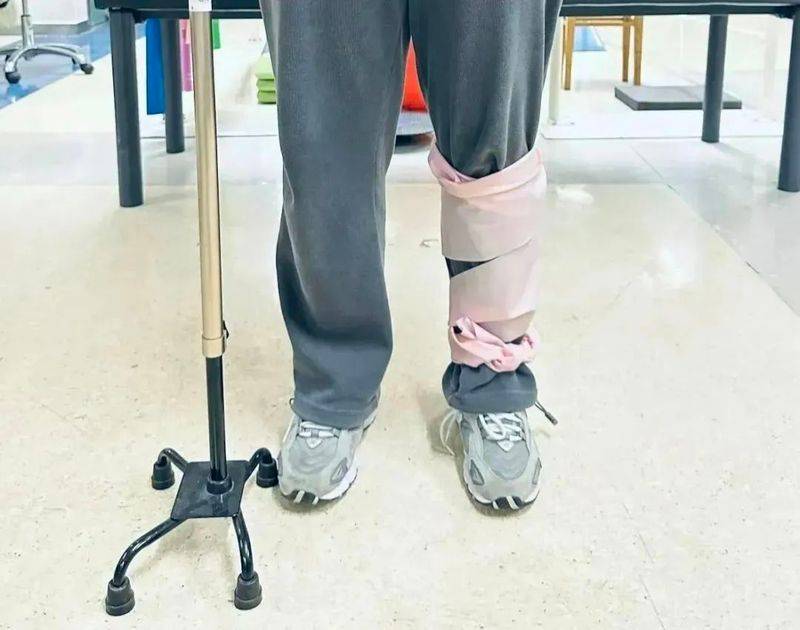
The hand cane on the side of the leg: when the legs are separated and wide with the shoulder, the cane is placed on the side of the leg, at which point the sub-point of the cane is attached to the foot on the side. Note: the staff of the staff is close to the body. (top right)
The four-legged cane-enabled walk flat
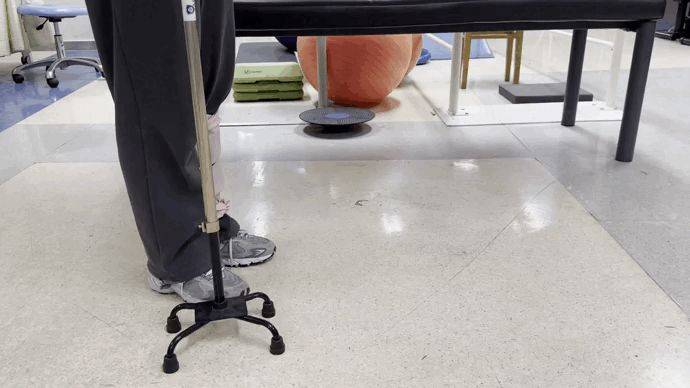
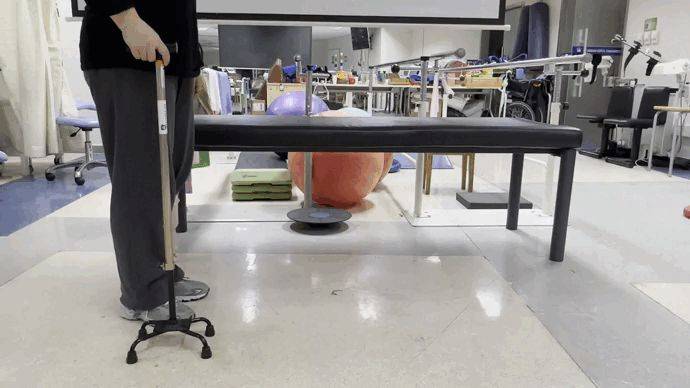
The side leg and the cane are moving forward together
The side leg moves forward
When the leg supports the stand, the side leg and the cane move forward simultaneously
I'm sorry.
Watch out! The cane and the side leg will always hold! When you move the four-legged cane, put its four feet on the ground
Up and down the stairs with four canes
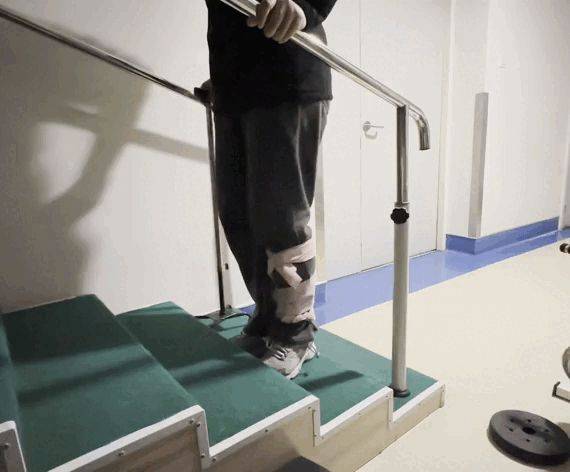
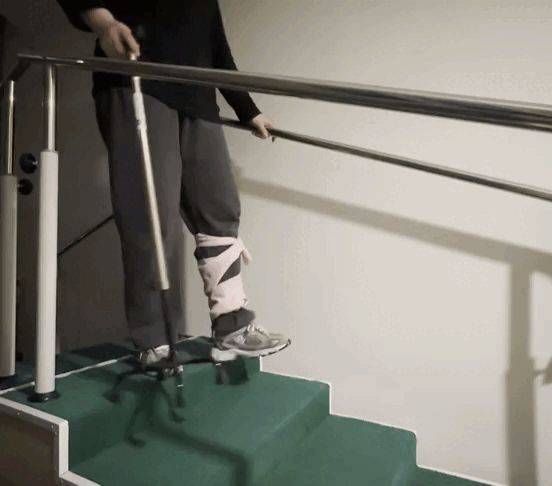
Upstairs: a cane is held in one hand, a stairwell is held in one hand, both hands and a side leg are held together, and the stairwell is carried up to the steps, then the stairwell and the stairwell is moved to the same steps。
The body limbs are spun and then the limbs are turned and the steps are repeated. (top left figure)
Downstairs: one cane with one hand, one stairwell with one hand, one leg with one leg on the side, one leg with one hand on the side and one step down, and one hand with one stairwell with one hand with one hand on the stairwell until it stabilizes before moving the stairwell to the same steps。
I've got limbs and body limbs, and i'm going down the stairs again. (top right)
Earnings and armpits
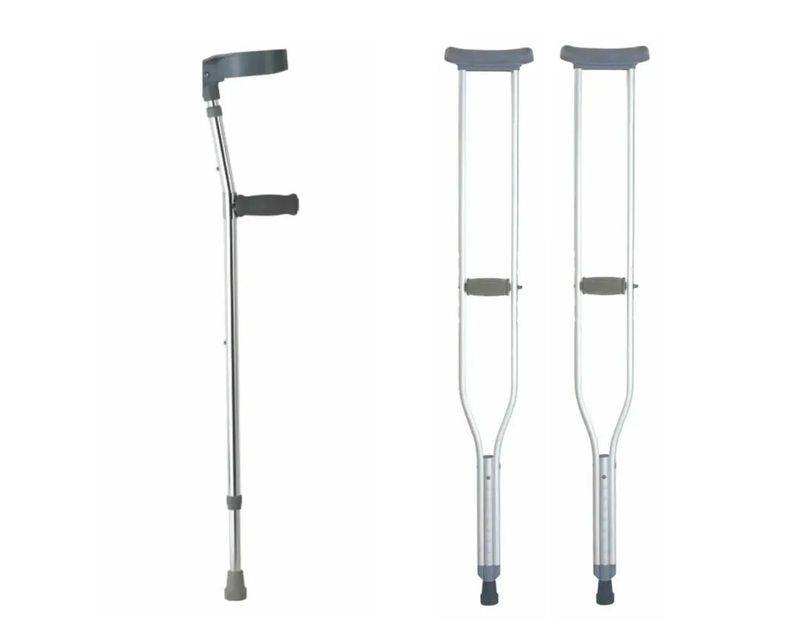
Elbow and armpit
The elbows and armpits provide a support function and maintain a balance of body, but the use of these canes requires arm work and a focus on wrists, thus requiring the patient to have a certain degree of arm and arm strength and stability of the upper limbs. It applies to patients suffering from reduced side and lower limb muscles, pain, post-operative weight reduction. The armpit can support more body weight and the elbow is lighter and more flexible than the armpit. The following is an example of an armpit turn, where the side leg is marked as pink。
How to regulate the use of armpits
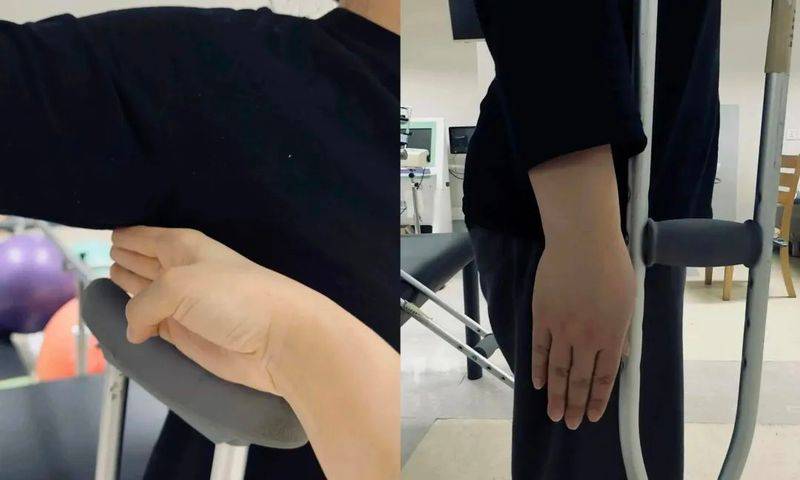
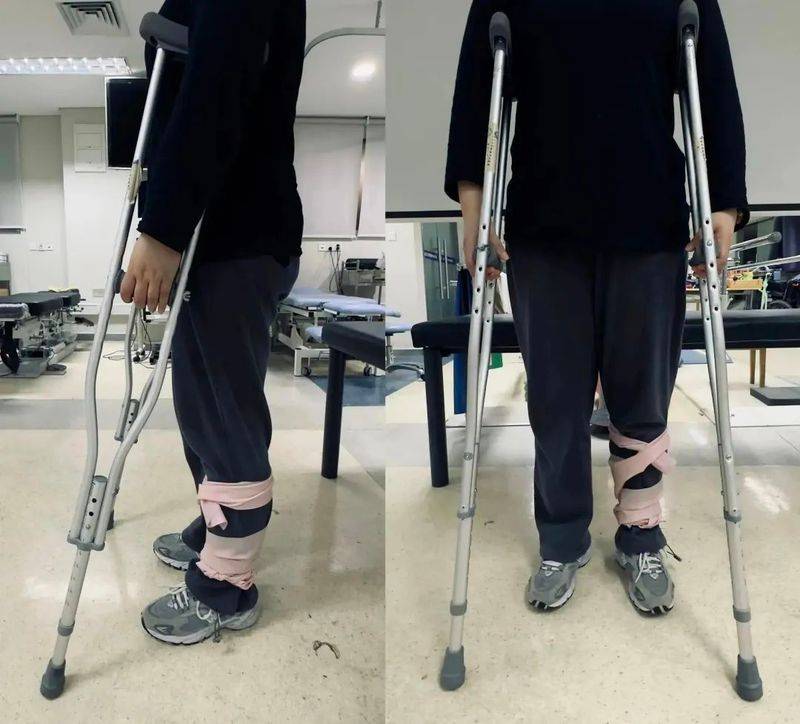
Turning position: around 2-3 finger under armpit (top left)
Hand handle position: femur large rotor height, position of wrist flat as the arm naturally leans (top left)
When the armpit is used, the elbow bends 15-20 degrees, and the two sides of the sides are in front of their feet, at a distance of 15 cm each
The armpit-assisted flat walk
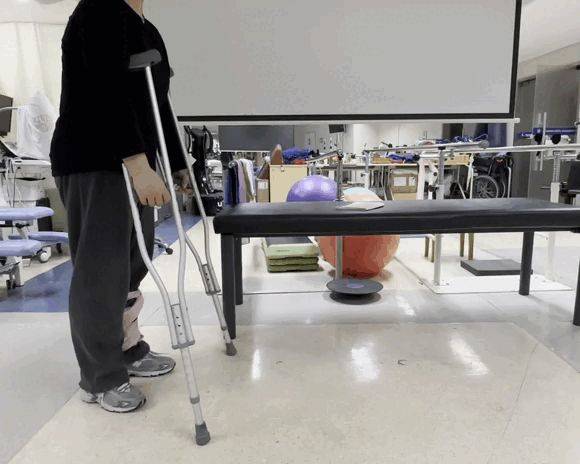
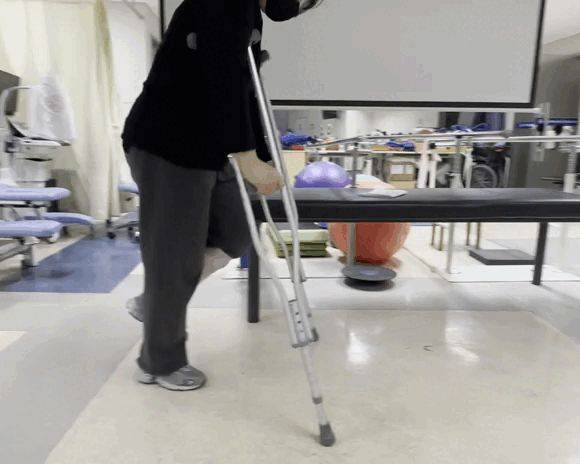
The "two dots" routine for armpits
The side leg and the side armpit go forward together
When the leg is standing steady, the side leg and the side armpit turn forward simultaneously
I'm sorry.
An armpit can be used to move, depending on whether the side leg is burdened or not, into a heavy walk (top left chart) and a non-burden walk (top right chart)。
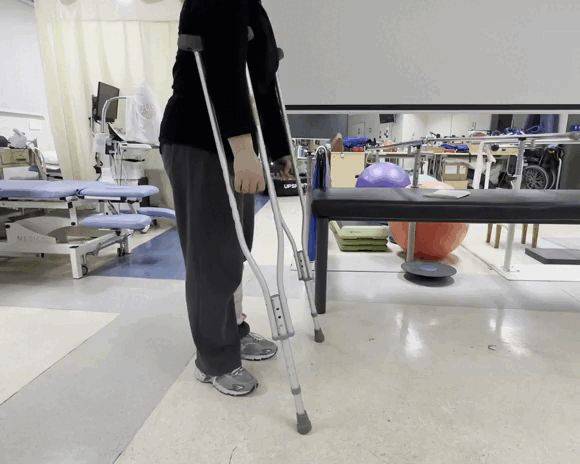
The “three-point” pacing of the armpits: when the legs are standing steady, the hands turn first, the side leg is affected, and the side leg is later advanced。
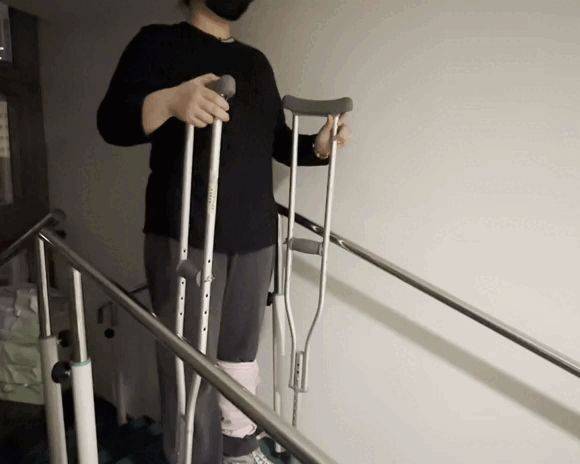
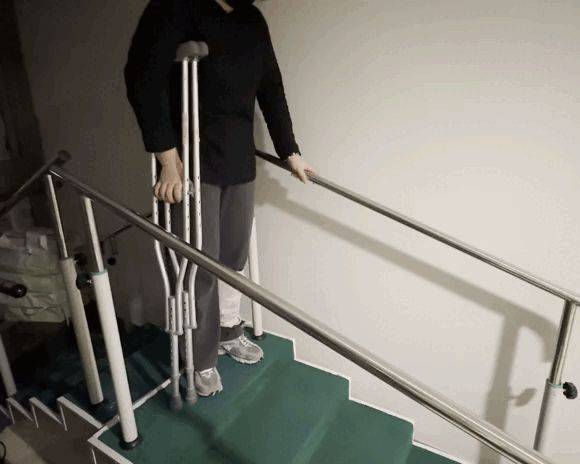
Up and down the stairs with the armpits
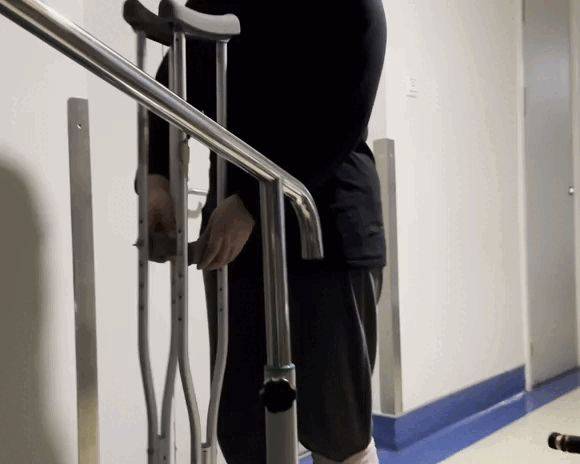
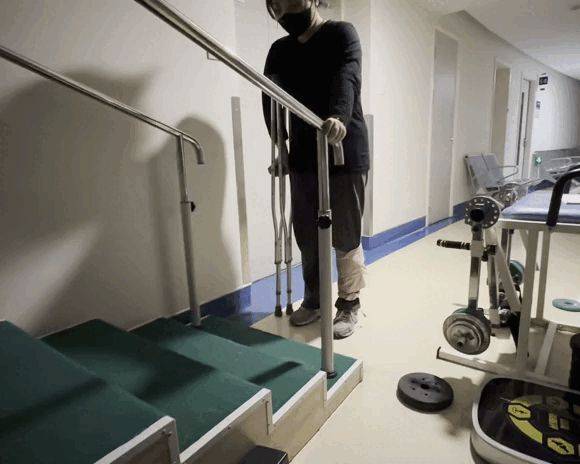
Upstairs: close your armpits in one turn (top left figure), hold your armpits in one hand, lift your arm in the first hand, support your hands with your side leg, then move your armpits and side legs to the same step. (top right)
The body limbs are spun and then the limbs are turned and the steps are repeated。
Iii. Advances
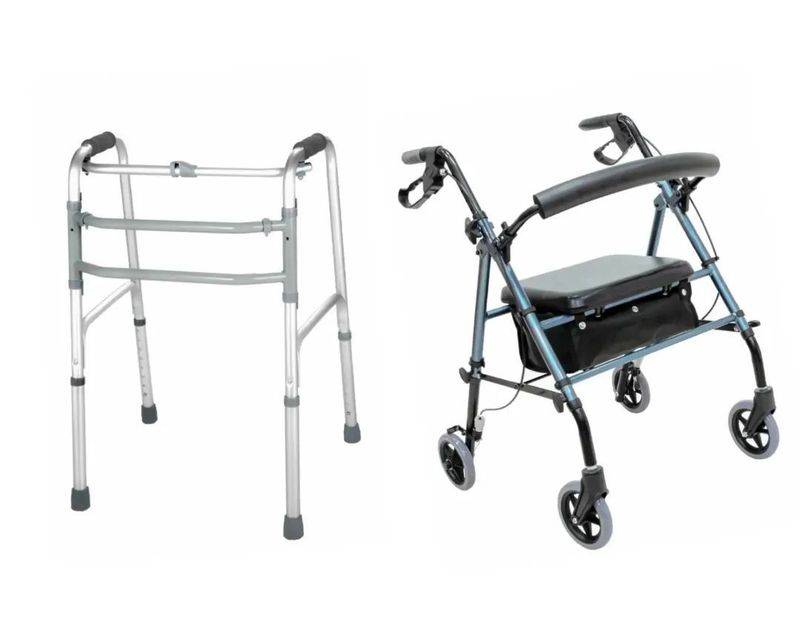
Four-foot walkers (left), rollers (right)
A walker is a walker whose main function is to support human body weight, maintain weight stability and support walking by increasing support. It makes extensive use of early recovery training for paraplegics and paraplegics and for special groups such as the elderly and the disabled. Four-foot mobility aids support more body weights and are more stable, while rollers make mobility aids easier for patients with weak upper limbs. The following is an example of a four-leg walker marked pink with a side leg。
How to regulate the use of four-legged walkers
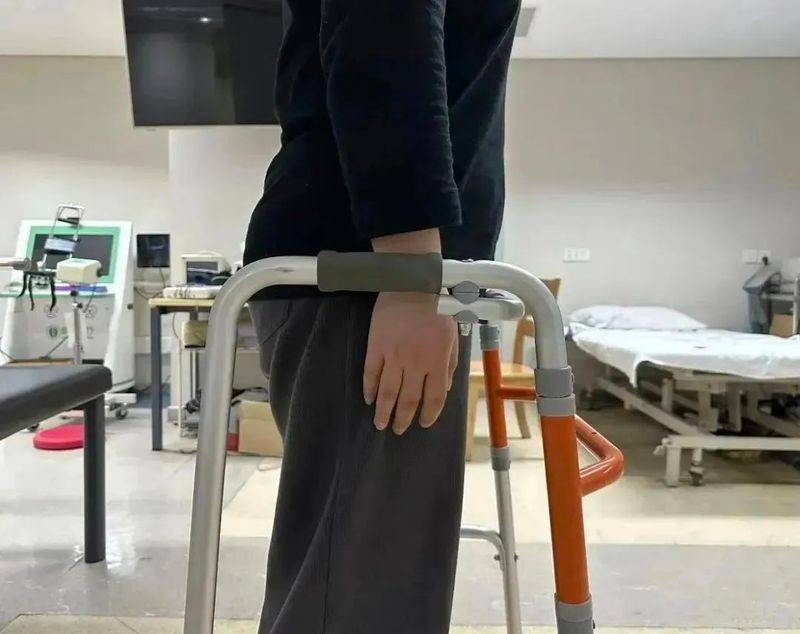
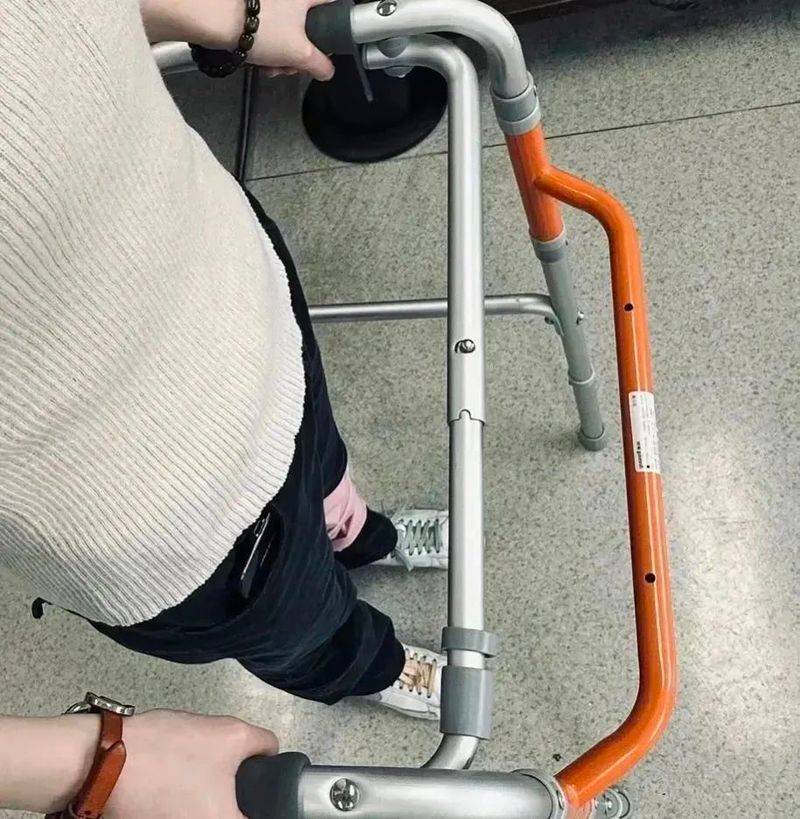
Foot position: both feet remain within the framework of a four-foot walker during walking and standing (top right)
All right, all right
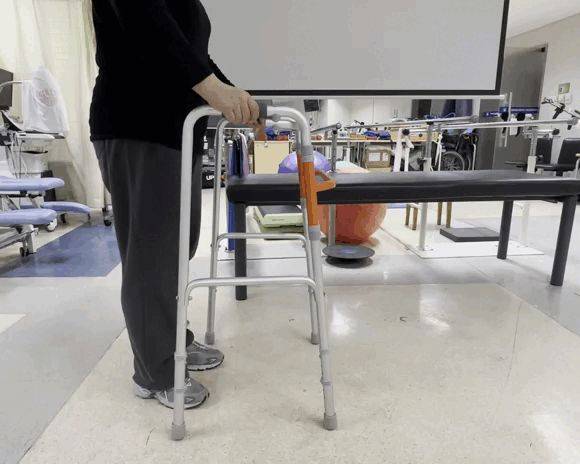
The usual three-point approach
Stand within a walker, stand on your feet and move your hands forward. Device
First the side leg takes the same distance, the wrist holds the handle, and the body weighs with a walker
Then get your legs to the position where they're flattened. Steady
Repeat the steps..
Four-foot walkers are not generally used up or down stairs。
Concluding remarks
“assisting” by walking with walking aids, such as canes, armpits, elbows and walkers, can guarantee the security and stability of the user while walking, and can help reduce the weight of the lower side limbs and contribute to their rehabilitation. This paper presents three simple ways of using “trip”, with the specific choice of assistive walking devices, depending on the disease, needs and circumstances, and the need to consult the rehabilitation doctor and the rehabilitation therapist and to choose and use the appropriate assistive walking devices。