Recent visits by journalists have shown that the “people's heart project” of the urban reform project in old and old neighbourhoods has had positive results in terms of the well-being of the beneficiaries. At the same time, journalists are aware of the magnitude of the need for capital for rehabilitation in old and old neighbourhoods, which are now being financed through multiple channels, but there is still an overall lack of funding, an “affordability” of financial resources, the reluctance of the population and society to invest funds, and the lack of funding for post-care services. There is an urgent need for multi-channel financing to ensure that the rehabilitation of old and old neighbourhoods is carried out smoothly。
The perception of the beneficiary population has increased dramatically
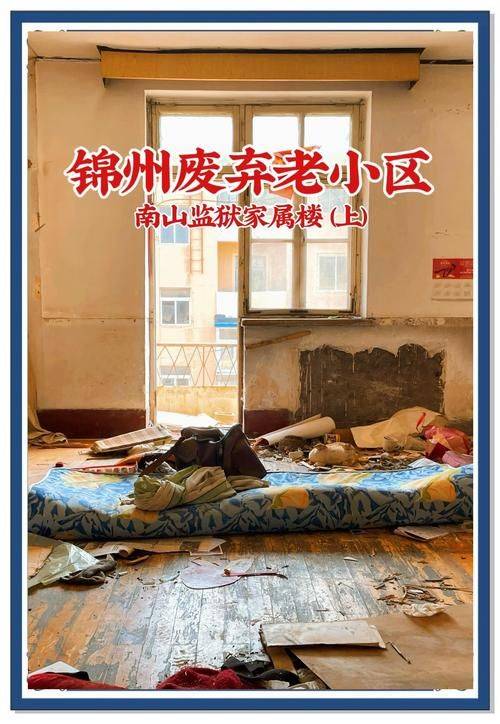
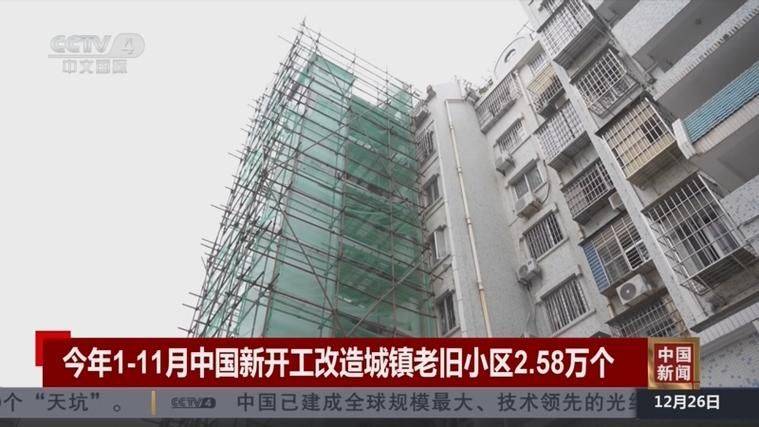
The rehabilitation of old neighbourhoods in various localities is currently focused on public infrastructure and the external environment, such as the improvement of fire-fighting facilities, the implementation of electrical modifications, the installation of elevators in the husband's house, and the optimization and improvement of the environment in old and old neighbourhoods, including the renovation of public facilities such as street lights, well covers, ramps, walls and outer walls, the installation of video surveillance systems and the establishment of parking spaces. As a result of the transformation of old and old neighbourhoods, the living conditions and quality of life of the inhabitants have improved markedly and the population has gained a sense of well-being。
- goodbye to the “toilet” and the retrofitting of old neighbourhoods has significantly improved the living conditions of the inhabitants。
Intelligent doors, wooden floors, independent kitchens ... The home of the late seven-year-old tao master feels strange. “the original two rooms were converted to the present three rooms, three generations of four members and living rooms and independent kitchen guards.”
There are still many residents living in shared kitchens and toilets in the city of shanghai, in its almost 100-year-old rainbow mouth district, in the neighbourhood of shanghai. The city of shanghai is gradually being upgraded, one or two upgrades have been delivered, and more than 200 families have returned to their homes to say a complete farewell to the era of “bathhouses” and “pents”。
In the new village of xin lin, a resident of nanjing city, residents not only have access to water and electricity, but also to pipe gas. “we were able to feel the dividends of reform and openness once the water and electricity were cut off at night. The blogger says:。
— the old building is equipped with elevators to stop the old man from “suspensing”。
"when the elevator was installed, me and the old man were no longer "suspensive old man." five thousand in all, the government's got the big head, we got the little head. Everyone's in favor of the elevator policy." on the streets of huayang, the new district of chengdu, residents of over 70 years old, told the economics reference reporter。
Arrival in the party hall where the building was built in a shed was seen by journalists at the party hall where residents were working on an elevator maintenance management convention. According to the information received, the old neighbourhood of the building, which is over 20 years old, houses 120 households. Of these, 90 per cent are over 70 years of age and half are over 80。
"the elevator brought new weather to the district." the family, aged 81, lived on the fifth floor, said, “my companion had an illness last month, fortunately there was an elevator, and the ambulance went straight to the stairwell and picked him up.”
- improvement of living services to facilitate community life。
In the zhijia district, built in 1988, a 76-year-old resident told journalists that the district had been renovated and new street lights installed at the end of last year, and that the former muddy district road had been replaced with water-breaking bricks. “successful surveillance has also been installed in the subdistricts, and the sense of well-being and security of the inhabitants has increased considerably.”
Following the completion of the renovation of several sub-districts of ishijia, the main road was covered with new access roads and new parking lines were painted. Vehicles previously parked on the main road in the subsectors have been parked in an integrated manner on the internet... The electrical sector, where heating pipes are being installed, is being equipped by the construction team with an impermeable temperature layer for roofers. Mr. Lee, who lives on the sixth floor of the top floor, said: “the government has done a warming thing by laying an insulation without spending a penny.”
The relevant head of the nanjing city housing security and real estate authority revealed that between 2016 and 2018, the nanjing city accumulated 1,265,700 square metres of roads, an additional 6097 parking spaces, an additional 378. 5 million square metres of green space and 1218,000 square metres of leisure squares。
"in a new home, it feels more dignified." the shanghai citizen chen min xin couple and their son, and the 92-year-old mother-in-law, four generations old, were in “snails” in more than 20 square metres. Chen minxing said that the walls of the old house fell down as soon as they were touched, the house was woody, the facilities were old and the termites, cockroaches and rats were particularly numerous. “it is our decades of dream to have an independent toilet and a hand-washing basin in our home, and it has finally been achieved.”
According to the guangzhou city bureau of statistics social opinion survey, 81. 5 per cent of the citizens who participated in the survey considered that the fine-tuning of old and old neighbourhoods had improved their quality of life. The head of the urban renewal section of the ionjo district housing authority of shanghai stated that the transformation of old and old neighbourhoods was inevitable, not only enhancing the well-being and access of the population, but also significantly improving the urban landscape。
At present, local rehabilitation of old and old neighbourhoods has been effective, benefiting hundreds of thousands of people. For example, the rehabilitation of old homes began in the city in 2015, and by the end of 2018, 3191 old subdistricts had been rehabilitated, benefiting more than 220,000 households; over 200,000 families have benefited from nanjing
It's worth $4 trillion
The housing and urban-rural construction sector indicated that the rehabilitation of old and old neighbourhoods was currently promoting multiple sources of financing. Together, the cost of the renovation, the cost of future operations, and the cost of providing urban and community public services to the community have resulted in a very large overall demand for funds. According to preliminary estimates by experts, the total investment in old and old neighbourhoods in our cities and towns requiring integrated rehabilitation could amount to $4 trillion。
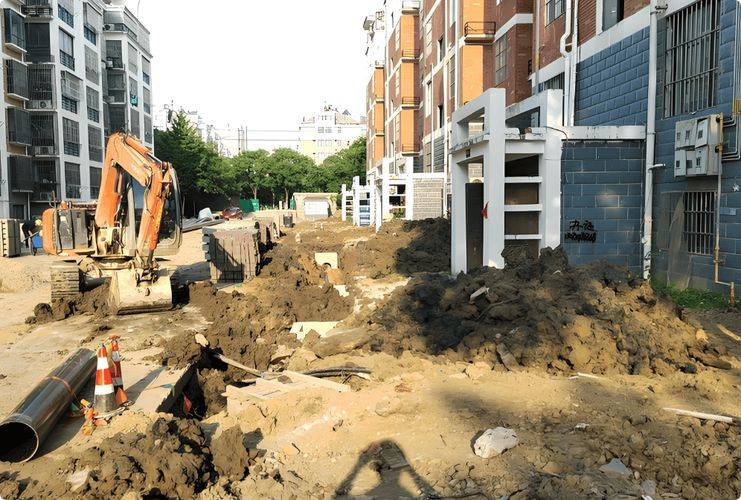
Since 2015, the city has begun the rehabilitation of old homes, and by 2018 2. 09 billion yuan had been invested in the rehabilitation of 3,191 old neighbourhoods, benefiting more than 220,000 households。
The secretary of the sengkolu community party, xu civilization, described the renovation of the yekaku neighbourhood in the ukaku neighbourhood in the city's chute tower, which involved nearly 2 million yuan, of which only 500 yuan per household was needed for water table improvement and 2 yuan per square metre for public maintenance. “at first, too, many residents did not understand why they had to pay for the repairs, but they went to work in a small family through party members
Rehabilitation of old and old neighbourhoods has received considerable attention. On 19 june, the standing committee of the state council deployed work related to the rehabilitation of old towns and subdistricts. On 30 july, at a meeting of the central political bureau of the communist party of china, it was stated that investment in manufacturing should be stabilized and that the construction of new infrastructure, such as information networks, should be accelerated through the implementation of panels for the renovation of old and old towns, urban parking areas, construction of cold-chain logistics facilities in urban and rural areas. On 31 july, the standing committee of the state council proposed to encourage community-based health care, old-age pensions and home-based living facilities to be included in the rehabilitation of old neighbourhoods, to provide fiscal support and to create consumer circles。
According to the state council counsellor, a preliminary estimate of the total investment of old and old neighbourhoods in our cities and towns requiring comprehensive rehabilitation could amount to 4 trillion yuan, with an additional investment of more than 800 billion yuan per year for a five-year period. In practice, integrated rehabilitation projects in old and old towns can take the form of social capital participation in joint construction. Public maintenance funds and government subsidies for energy-saving emission reductions can have the effect of scaling up investments of “four dozen pounds”。
From the experience of some regions, different sources of funding each carry different adaptations. In guangzhou, the old and old districts (over 85 per cent) that are predominantly inhabited are targeted mainly by financial investment, with priority given to the protection of livelihoods, and the rehabilitation of “basics” such as water, electricity, gas, roads and septic tanks, with emphasis on integration with urban environmental quality-building projects, with a focus on “dirty, disorder and disparity”. In complex old and old districts (less than 15 per cent) with multiple functions, such as the integration of business residences, the main focus is on the historical cultural neighbourhoods or the renovation of industrial development projects, the introduction of the bot model, the introduction of social capital, the improvement and upgrading of facilities and infrastructure for the livelihood of the population, as well as the introduction of industries, their activation and participation in the follow-up operation and maintenance of “cultural and economic viability”。
The hebei province's three-year action plan for rehabilitation of old zones (2018-2020) indicates that 5,739 old zones will be rehabilitated, requiring a total of 12. 96 billion yuan, of which 11. 23 billion will be financed by municipal and county-level finances, and will be responsible for the rehabilitation of old zones'security facilities, residential improvements and environmental rehabilitation。
The multiple challenges of resource mobilization remain break
“the least needed for the rehabilitation of old and old neighbourhoods is money.” some experts have suggested that there is no source of funding for the rehabilitation, no new profit-making space, and that there is naturally no willingness on the part of the enterprise to invest, and that it is difficult for the government alone to carry out such a difficult task。
Funding is the primary condition for the rehabilitation of old and old sub-districts, and insufficient funding is a central problem in many regions. The deputy director of the nanjing property office, son lung, said that financial security was an important issue in moving forward with the rehabilitation of old districts. On the government side, there are areas where the financial resources are better and where the financial resources are slower. There are funds for housing maintenance, public pension and public area revenues in the districts, but this is a very interesting question of how people, residents themselves, can spend them。
In guangzhou, financial resources are currently concentrated at the municipal and district levels, with less social and residential participation. Local officials have indicated that, according to urban development patterns, micro-rehabilitation in old and old neighbourhoods will become a long-term endeavour, with a wide variety of aspects, with greater financial constraints. At the same time, funding for follow-up projects is not sustainable as local revenues are strained. In one region of tianjin, the rehabilitation of old neighbourhoods has been under way for seven or eight years and, despite the population's continuing needs, it will be difficult to carry out further large-scale renovations in the future, mainly because of insufficient funding. The point was made that funding for 2019 was promising, but that it might not be possible to continue in 2020 because of the severe financial constraints. In 2019, for example, a local project to divert rain pollution was started, which was planned for this year and will be implemented next year, but with communication from the financial sector, the “crawling” of funding will fall next year, forcing the plan to fall。
In addition to government investment, a diversified investment system for upgrading old and old neighbourhoods has not been fully established. Further research is needed on how to attract market funds, residential funding and input from social organizations。
According to child dragon, the management of old neighbourhoods cannot be sustained by government inputs alone and cannot be managed by the people on their own initiative, and businesses are not motivated to do so。
In practice, first and foremost, it is difficult for the population to finance. Old and old sub-district households are mostly elderly and tenants, and the impact of the upgrading cannot be predicted and funding will be low. Businesses also have difficulty participating. It has been suggested that participating in the rehabilitation of old and old neighbourhoods is faced with a variety of uncontrollable factors, such as property rights, fire protection, and residential opinions, and is too difficult to profit from。
There is also a lack of long-term care costs for the rehabilitated districts, and the rehabilitation of the old districts ' homeowners and sources of funding remain difficult to resolve。
Multi-channel financing modalities need to be improved
In response to the question of where the money from the reconstruction of old and old neighbourhoods comes from, the standing committee of the state council has made it clear that innovative investment in financing mechanisms is needed. This year, central grants will be arranged for the rehabilitation of old towns and sub-districts. Financial institutions and local authorities are encouraged to actively explore ways to increase financial support for the rehabilitation of old and old neighbourhoods in a sustainable manner. Using market-based approaches to engage social forces。
In the expert's view, the funds earmarked for financial arrangements have been used for micro-renovation in old and old sub-districts, focusing mainly on infrastructure-type projects such as water, electricity, gas and aging facilities. Residents are encouraged to raise part of the funds for rehabilitation through self-financing, housing maintenance funds, etc. In the case of rehabilitation projects that have the conditions for industrial development, social investment enterprises must simultaneously invest in the upgrading of the surrounding facilities。
The reporter of the economics reference newspaper learned that, unlike sheds, the funding channel for the rehabilitation of old and old neighbourhoods can also be linked to a realistic and reasonable cost-sharing rule for the rehabilitation, based on the principle of “who benefits and who finances”. There is also a need to ensure that financing mechanisms are sustainable and to guard against risk and increase local debt。
In addition, long-term care mechanisms based on practical guidance for residents, including through the purchase of services, have been established to consolidate the achievements of the rehabilitation of the subdistricts. In accordance with the basic conditions of the district, the level of consumption of the population, the awareness of the contribution, etc., the population is guided by the model of standard, basic and tolerative care, which is gradually being upgraded. (c) explore the establishment of a system of funds for residential maintenance in old and old sub-districts, as well as the use of new facilities on a reimbursable basis, in order to broaden the sources of long-term effective maintenance finance. Jung, jung, jung, jung, jung, lee li li, lee, zhou wing