On march 16th, red net news, the spring break of yueyang news, a mist on the plain of toyako. Into the fields of the towns and villages of king's hills, a sprung-up shed was filled with silver in the morning. In the sheds, the green oil is soaked, the workers are busy with their pallets, their plants, and a busy scene。
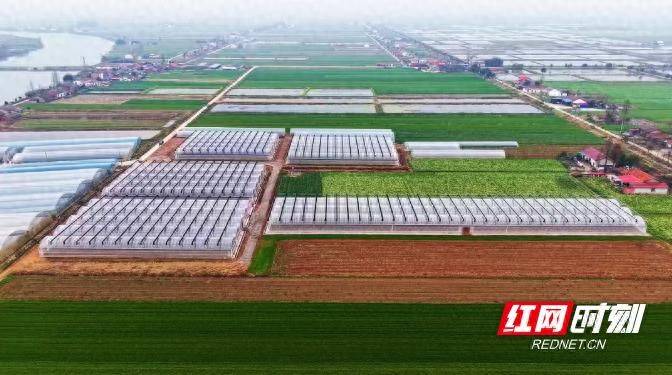
"bleeding seedlings" are produced in the "breeding nest."
"at that time, all the seedlings were bred by a piece of earth and water." on the streets of willowland, the 68-year-old vegetable farmer, liu, crouched on the ground with his hands in comparison to the way he had grown. He said that in the early 1990s, families had raised their own seeds and had been “nutrientized” with dirt, covering themselves with a thin film. “the saplings grow and are destroyed by the winter. The most afraid of the days of spring, the night rises several times and the wind blows up the shed.”
This tradition, which has lasted hundreds of years, has enabled generations of kuenshan farmers to learn to “see the sky and eat,” but has also tasted the bitterness of “uncertainty”. It's in god's hands that the harvest is good and bad。
By the end of the 1990s, as agro-technologies moved into villages, the kmc and the district governments began to change the way farmers did. From the simple small arch sheds to the standardized sheds, to today's smart factories, the junshans have become more stable over the past three decades。
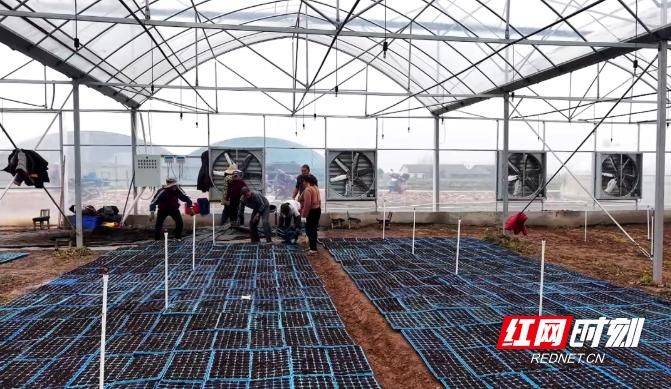
A professional nursery is a highway
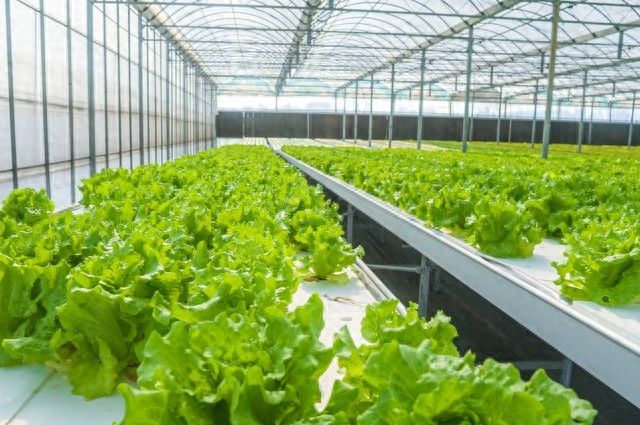
Now, a row of seedbeds is organized in the nursery of the professional cooperative of fruit and vegetables in the town of conscience. In the shed, the automatic spraying system is operational and the fine fog is spread over the seedlings. According to the head of the cooperative, the seedlings are now well grown and have significantly improved their survival rate through intensive breeding。
"now that we're growing, we don't have to worry about the cold like we used to." the head of the cooperative, sun wen, said that, in the past, farmers raised their own seedlings, not only on a long-term basis, but also on a weather-sensitive basis; now, the cooperative has integrated nursery breeding, not only saving farmers ' time and energy, but also taking them on the market earlier。
Today, factory and intensive seedlings are being promoted in kuangshan, with more than 50 million seedlings being produced in the year, such as peppers, tomatoes and watermelons. These “order seedlings” are not only available locally, but are also sold to neighbouring counties such as changsha, hua yung and jiro. According to statistics, there are nearly 80,000 acres of demonstration base for standardized vegetable production in kungshan, and the scale effect of green and non-hazardous vegetable cultivation。
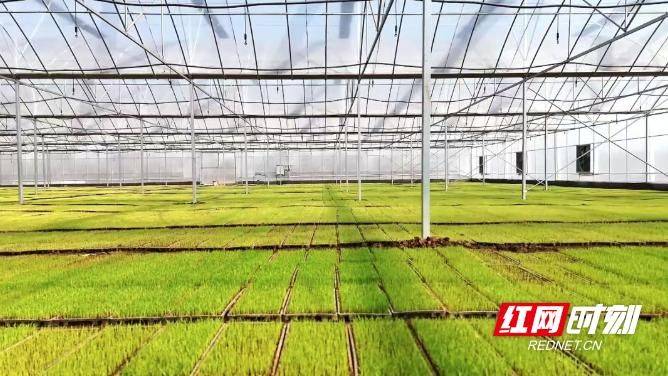
From “selling products” to “selling seedlings”
The change in the way in which we raise our children is profoundly changing the industrial pattern of the kungshan agriculture。
In the town of fort conscience, farmers who used to grow only road dishes are now experimenting with specialty varieties. Chili, eggplant, tomatoes... All kinds of high-quality seedlings go from here to thousands of homes. A vegetable farmer who was buying seedlings said: “absenced in the past, he had a single breed and was also prone to disease. Now we're going to buy the product seedlings. They're full of variety and quality. We can plant whatever we want."
More encouragingly, the nursery industry has become a new way for farmers to grow. There are hundreds of nearby villagers working at nursery sites such as the vegetables and vegetables co-operative and the kibaki village, each of them earning nearly $100 a day. Some skilled farmers have also contracted their own sheds for the exclusive breeding of seedlings, which earn hundreds of thousands of yuan a year。
"it used to be ground food, and now it's seed money." the director of the rural and agricultural directorate of kuangshan stated that the shift from traditional to professional nursery is not only a technological advance, but also a change in the concept of development。
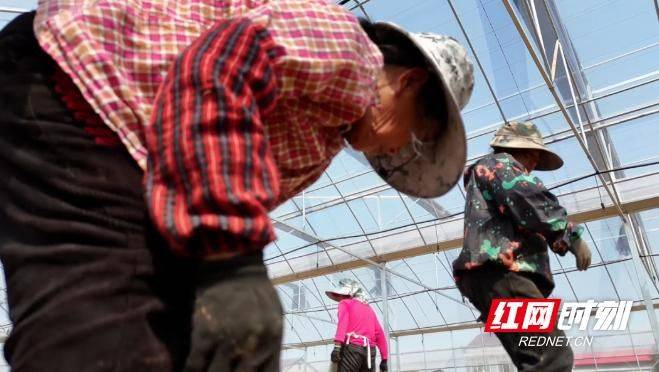
We'll leave in 30s
The spring is perfect, and a new seedling is coming out of the shed. The green leaves are beaded, particularly in the sun。
Thirty years ago, kuenshan farmers raised their seedlings with rough hands; 30 years later, they reaped the fruits of modern agriculture in their smart sheds. The change is technology, and the change is the desire of people on this land for a better life. And this aspires to live with a high-quality seedling that takes root。