Onion farming techniques are as follows:
Onions are common vegetables that are resistant to transport and storage. They are fed in part by fat meat runners with special spicy tastes that promote appetite and treat a wide range of diseases; they are also resistant to storage and can be dehydrated into exported vegetables. Onions can be divided into red skin, yellow skin and white skin by the colour of the fresh tuber; they can be divided into flat, long ellipse, long spherical, spherical and flat. The different spherical shapes are related to early and late ripening, and the flatter the general spherical form, the earlier it is. Onions are grown in different varieties, with large variations in yields, with pre-cooked flat varieties producing approximately 4,500-5500 kg of acre, and medium- and late-literate varieties producing approximately 5,000-5500 kg of acre. The economic benefits of onions growing are between $3,000 and $6,000 per acre. It is also easier to manage and is a better model for adjusting farming structures. Suitable as radish, cabbage after harvest。
Planting seedlings
Onions breed
(i) sowing period. The selection of the sowing period is based on local temperature, light and the sophistication of the selected species. Onions are sensitive to both temperature and light, and so it is important for the selection of seeding periods in the autumn, both to cultivate strong seedlings of a certain size and to prevent the growth and growth of seedlings prior to winter, with pre-spillings occurring in the spring of the following year. Attendant areas were generally seeded on 10-20 september, with 50-60 days of seed age. (ii) slender bed preparation. The seedbeds should select fields with a high terrain, ease of drainage, fertile soil, and no garlic crop in recent years, for the sake of neutral land. The application of seedbed floor-based fertilization is inappropriate to avoid excessive growth of seedlings, with an average of 300 kg organic fertilizer per 100 m2 bed and 5-10 kg calcium per phosphate. The porcupine was 2-3 times and the base fat and soil were fully evened, with a depth of about 15 centimetres. It is then made of 1. 5 to 1. 6 metres wide and 7 to 10 metres long to sow seedlings. (iii) the method of seeding. Seeding generally takes place on both a system and a system. 1. Radio: first, open a ditch of 9 to 10 centimetres from the surface of the seedbed, deeper than 1. 5 to 2 centimetres, then sow the seeds, then sweep the ground across the ground, then use the foot force to step on the ground and then water it. 2. Scatter: first, water the bottom of the floor in the seedbed, then permeate it, then a thin layer of the ground, then sow the seeds, and then the soil is 1. 5 cm. In order to accelerate seedlings, seedlings can be impregnated, which are soaked with cold water for 12 hours and dried up to the point where the seeds are not adhesive; seedlings are sowed after leaching and then at a temperature of 18-25°c, and the seed is washed once a day until seeding occurs. (iv) sowing. The amount of seeding is also related to the robustness and pre-smoking of seedlings, which are too dense, so thin, so thin, so thick, and so easily soaked. Seeds are normally planted at 600 to 700 grams per 100 m2 of seedbed. The ratio of nursery bed to field planting is generally between 1. 15 and 20. (v) shrimp management. It is important that seed beds be kept wet after seeding, so as to prevent soil panels from affecting seed germinates and seedlings. Only when the first leaf grows will water be properly controlled. When the plumes grow about 4-6 centimetres, they form a bow, known as a “cow”, from leaves to embryos, known as “spread out”. In order to ensure full seedlings, bottom water is usually poured before seeding, after seeding is done without water, until the “spread” of the bow is reached. In cases where there is insufficient or no water before seeding, it is usually two to three times when seeding occurs. The seedling period combines watering with the pursuit of fattening to promote the growth of the seedling. Fertilizer application is 10-15 kg of nitrogen fertilizer per acre or 1000-1300 kg of manure. When the seedlings produce one or two leafs, weeding is done in a timely manner, with an inter-sapling that is spread from 3 to 4 m and about 3 cm。
Fertilizing the whole place
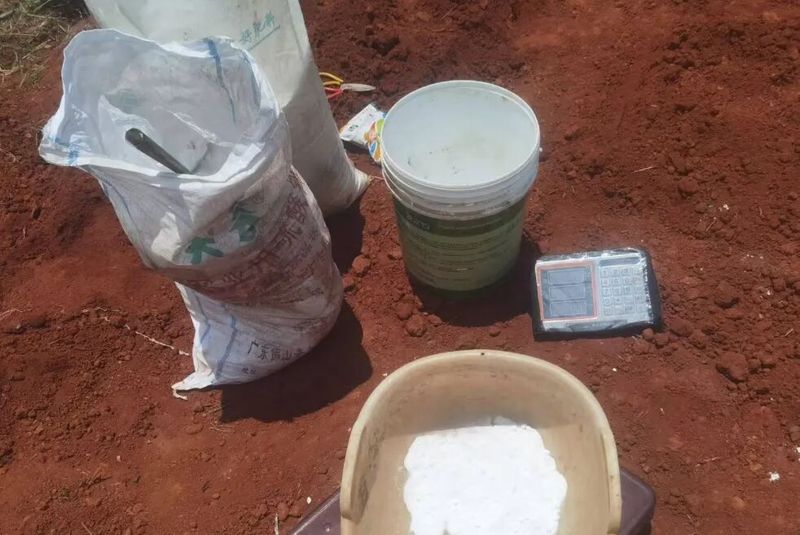
Onions are not compatible, nor do they overlap with other garlic vegetables. Onion roots are shallow and the absorptive capacity is weak, so cropping should not be deep, but should be fine. Cultivated in the autumn, arable land was cultivated after the harvest of the former crop, at a depth of about 15 cm. Arable land is then rolled to the ground, and the size of the plume is determined by the weather and by the drainage conditions of the plot, and it can generally be constructed with a width of 2 metres and about 10 metres in length to increase the land use rate and to increase the number of plantations per unit area. The width of the lumber shall be determined in accordance with the requirements of the ploughing crop, where such a crop is required. The application of base fertilizers, which are combined with arable land prior to planting, should be based on different soil fertility and type of base fertilization. High-quality calcium decomposition fattening of 1330 to 3340 kg per acre is generally applied, which is combined with calcium phosphate of 16-20 kg and an appropriate amount of potassium fat. Use of base fertilizers, general application, and then full mixing and dredging of cropland, so that soil is evenly mixed with fertilizer。
Plantation
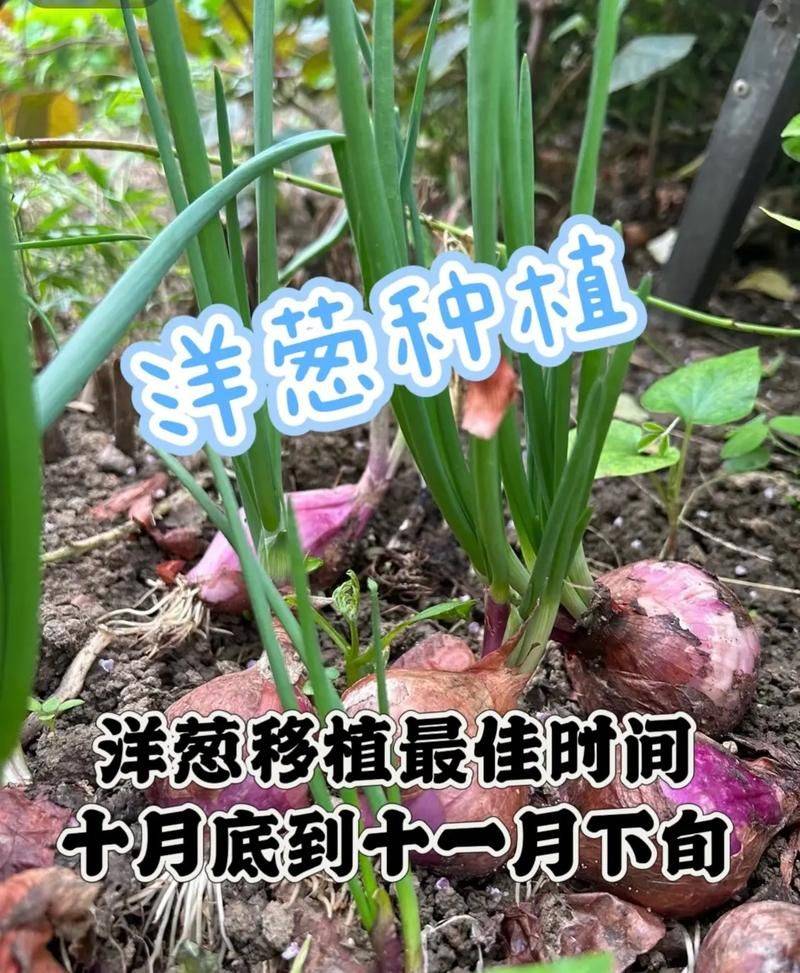
(i) ranked seedlings. The seedlings must be grown with well-developed, robust and even sizes; the seedlings must be phased out, and the seedlings must grow too big and too small. They are generally divided into three levels by the height and crudeness of the seedlings: 15 cm high and 0. 8 cm thick, 12 cm high and 0. 7 cm thick, and 10 cm high and 0. 6 cm thick. This hierarchy allows the planting of seedlings of the same size together for classification management and for field growth. (ii) plantation density. Onions are growing on a straight footing, with a significant increase in production due to rational onions. The average line range is 15-18 cm and 10-13 cm, with around 30,000 plants per acre. The density of plantation should be determined on the basis of species, soil, fertility and the size of the seedlings, with the usual pre-literated varieties being dense, red skins rare, soil fertility low and large seedlings rare. The maximum density of the onion is planted at a certain size. (iii) timing. The time of planting in the fall is appropriate to restore growth to the roots after planting, rather than to keep the plants growing in winter. Premature planting, planting of plants began to take place, the winter was too strong and the following year was prone to pre-spilling; late planting, the roots had not yet recovered and were prone to freezing. It's usually 30 to 40 days before the cold arrives. The risk zone is generally set for the period from the end of october to early november。
Field management

(i) water. Some 20 days after planting, the onion enters a slow sapling period and, because of the low temperature at the time of planting, it is not possible to pour water in large quantities, which reduces the temperature and slows the nursery. At the same time, new seedlings have yet to emerge and water is not needed. So there's a lot of water going onions at this stage. The principle is not to cause the seedlings to decay or dry the ground in order to facilitate the rapid growth of the seedlings. When the onion seedlings are alive, they enter the winter season and must be watered in due course in order to ensure that the onion seedlings planted are safe and safe. After winter, they return to greenness and enter the long term of the leaf, a phase in which water is required to be watered, to promote growth, and to control the watering and prevent the growing. The method of controlling the water is called “crawling”, which is determined by weather conditions, nature of the soil and post-plant growth, under general conditions for about 15 days. When the onion leaves are greener, waxy more, the leaves are thicker and the colour of the heart leaves becomes darker, then the croucher begins to water. Thereafter, water is usually poured every 8 to 9 days to dry and wet the soil for the purpose of promoting the growth of plants and preventing them from growing. The water is stopped seven to eight days before the harvest. (ii) fertilizing. Onion requirements for fertilizer require 13-15 kg nitrogen per acre, 8-10 kg phosphorus and 10-12 kg potassium. The onions are usually not fatter before they reach the accelerator, and winter water is combined after winter, with 1,000 to 1,300 kg of manure per acre, and when they return to youth in spring, they are rejuvenated again. (iii) cultivated pine soil. The oscillation soil benefits both the growth of the onion root system and the expansion of the sprawl, which takes place three to four times, after each watering; and the leaves are subject to two to three long periods, after which the cropping is stopped. The depth of cultivation is about three centimetres, and the plant is shallow and far away. (iv) detached. In the case of the onions that were pumped early, before the flower ball was formed, they were cut from the lower part of the florist, or separated from the tip of the florist, torn from the top to the bottom, to prevent flowering from consuming nutrients, to stimulate the side-breeding, to form a more plethora of rods, and to spray the fruit of the field with a strong twig in due course. A certain amount of production has been shown to be available for the pre-employed plant, after the removal of the plant。
Crop harvesting
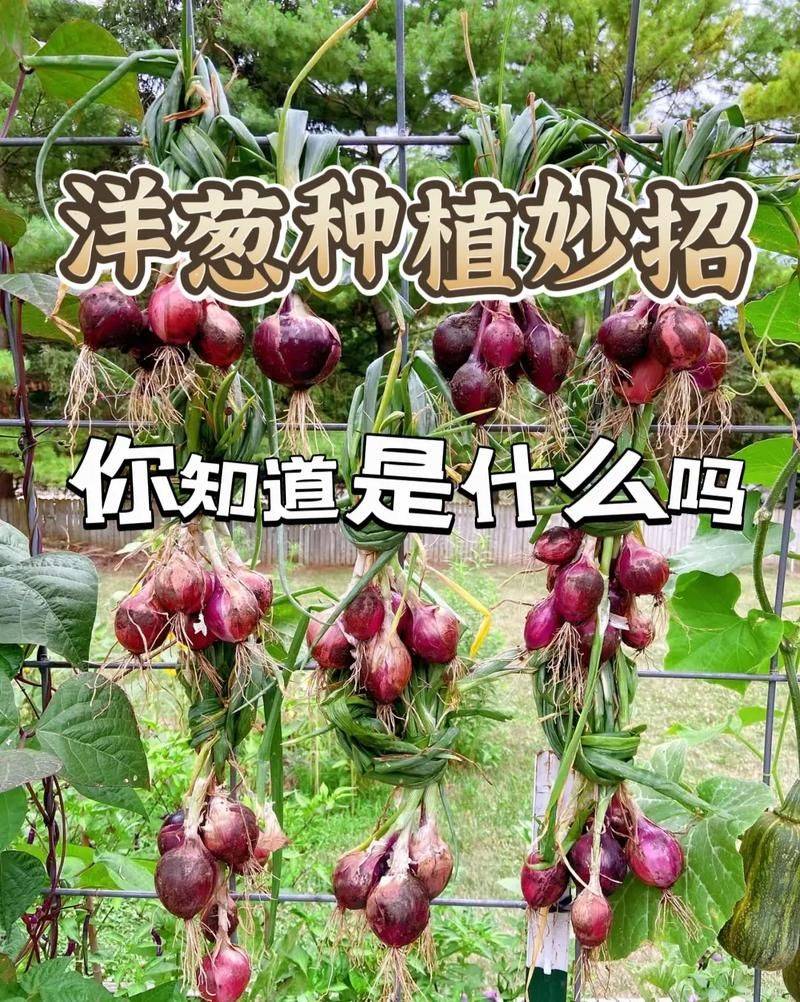
Onions are generally collected between the end of may and early june. When onion blades gradually begin to turn yellow from bottom to bottom, the mantle becomes softer and reverses; the stem ceases to grow, and the leather skin enters the hibernation phase, marking its maturity, it should be harvested in time. The onion harvest is followed by two to three days of drying in the fields. It can be cut off in the root and cut in the upper part of the bra, and sold in baskets. If an onion needs to be stored, it will not go to the leaves, and when the leaves are dried up to 70% dry, it will be made up of braids, hanging in a ventilated, cool, dry place, called onions, or baskets of bags。
Edit this paragraph to combat bugs
Onion diseases are common in frosting, purple spots, atrophysics, morbid diseases, etc. The common pests are flies, thomas, red spiders, thorium, etc. In field management, care is taken to observe the occurrence of various pests and insects, to detect insect and insect hazards, to purchase timely medications and to adopt a combination of physical, biological and chemical methods to ensure healthy growth of onion seedlings for productive and productive purposes。
Onion frosting
1. Symptoms the symptoms are pale and green, long elliptical. The first half of the leaf is severe, the plant is yellow or dead, and the leaf is “v”. When the humidity is high, the minister of disease comes out of white to the purple gray cortex. The rods become softer after contracting the disease, they are constricted, and the leaves are distorted. 2. Prevention: 90 per cent of aluminum triethylphosphate powder is sprayed 400-500 times the fluid, or 75 per cent of accumulator powder 600 times the fluid, 50 per cent of methaqualone 800-1,000 times the fluid, and 72. 2 per cent of a prick water agent 800 times the fluid, one in seven to ten days and two to three consecutive treatments。
Onion morbid
1. Symptoms 1. The first leaves are marked by white ellipses or near circular spots, which tend to develop downwards from the tip of the leaves and gradually become sliced, killing onions. When the humidity is high, large amounts of ash is produced on the dead leaves. 2. Prevention and control. Rotation of the spraying of more than 500 per cent of the fungus or more than 500 times the amount of 70 per cent of the methyl sulphate at the beginning of the disease, with the option of 50 per cent of the sulphagus or 50 per cent of the platinum and 50 per cent of the non-inflation 1,000-1500 times of the spray having a better effect。