I. Cultivation
(i) sowing period
Seeding is usually done from 10 to 20 september, with 50 to 60 days of age。
(ii) slender bed preparation
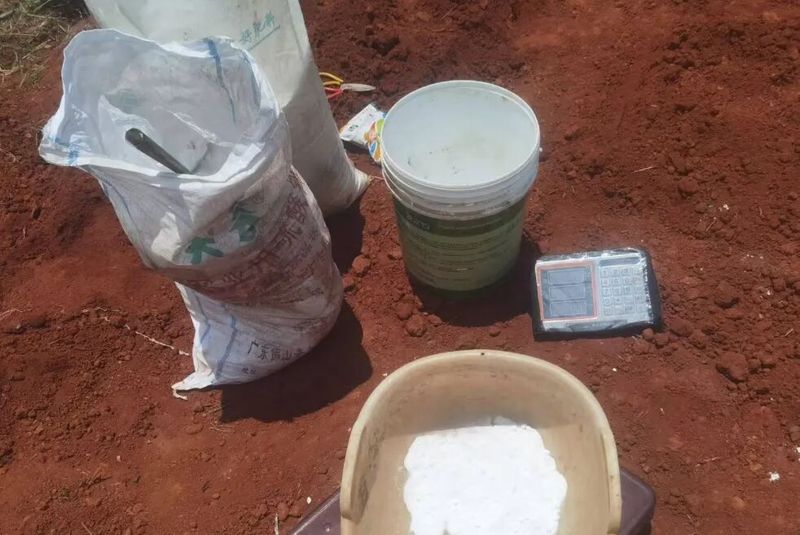
The seedbeds should select fields with a high terrain, ease of drainage, fertile soil, and no garlic crop in recent years, for the sake of neutral land. An organic fertilizer of 300 kg and calcium per phosphate of 5-10 kg per 100 m2 per nursery. It is made of 1. 5 - 1. 6 metres wide and 7 - 10 metres long to sow seedlings。
(iii) sowing methods
(a) leaving between 9 and 10 centimetres on the surface of the seedbed, with a depth of 1. 5 and 2 centimetres, with seed seeding, and with foot pressure, with which the soil sowing the gutter will be stamped and watered。
2. Solution: first, the bottom water is poured in the seedbed, then a thin layer of soil is spilled, then seeds are sowed and then the soil is 1. 5 cm。
(iv) sowing
Seeding of 600-700 grams per 100 m2 seedbed。
(v) shrimp management
The seedlings must be wet and the seedlings should grow their first leaf, with proper control over the irrigation; the “spreading” of the bows should be watered in a timely manner, with two to three times after planting。
The seedling period combines watering with the pursuit of fertilization, with a fertilization of 10-15 kg of nitrogen fertilizer per acre. When the seedlings deliver one or two leafs, they are required to weed them in a timely manner and to produce an inter-sapling, sowing them at a distance of 3 to 4 centimetres and broadcasting them around 3 centimetres。
Ii. Complete of the complete
Onion roots are shallow and the absorptive capacity is weak, so cropping should not be deep, but should be fine. High-quality calcium decomposition weight of 2,000 kg per acre was combined with calcium phosphate of 16-20 kg and an appropriate amount of potassium fat。
Iii. Planting
(i) ranked seedlings
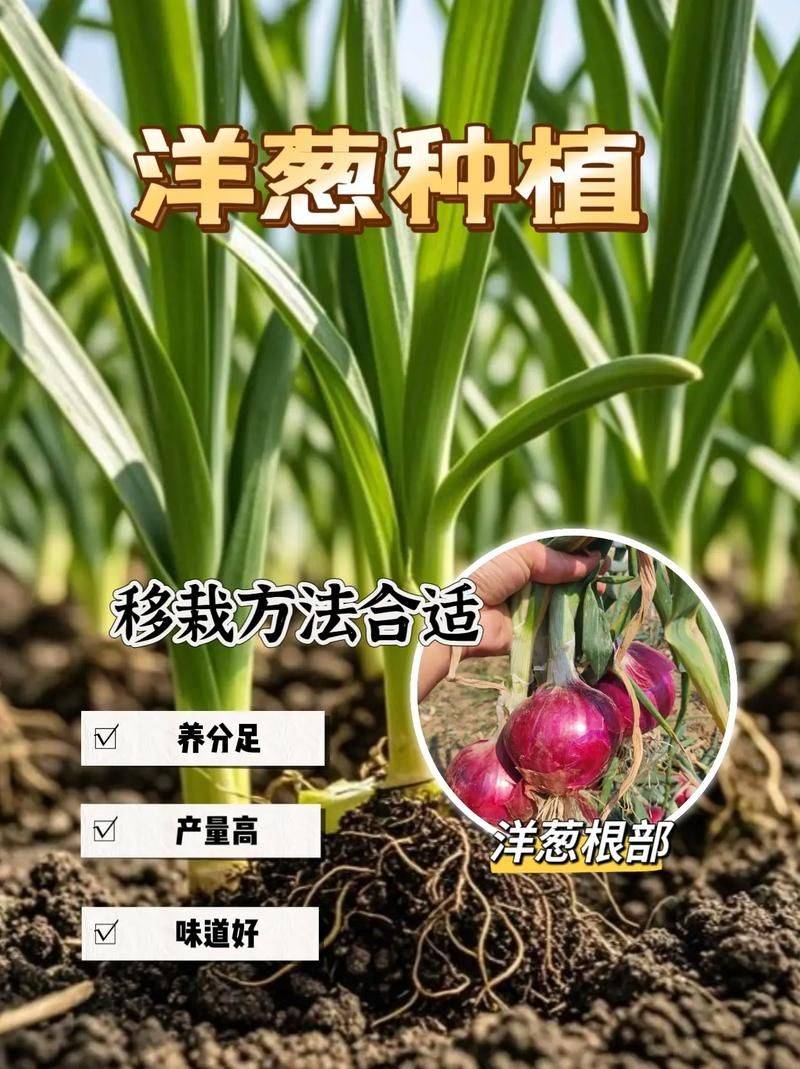
The seedlings must be grown with well-developed, robust and even sizes; the seedlings must be phased out, and the seedlings must grow too big and too small。
(ii) plantation density
The average line range is 15-18 cm and 10-13 cm, with around 30,000 plants per acre。
(iii) timing
30 to 40 days before the cold arrived。
Iv. Field management
Watering
After about 20 days of planting, the onions enter the slow-growing season, each watering down, and when the onion seedlings are alive, they enter the winter season and water the winter in due course. Returning after winter, water is to be watered, growing and controlled for about 15 days. Ending the sapling starts watering, watering every eight to nine days, and stopping watering seven to eight days before harvesting。
(ii) fertilisation
Onion requirements for fertilizer require 13-15 kg nitrogen per acre, 8-10 kg phosphorus and 10-12 kg potassium。
(iii) cultivated land
The depth of cultivation is about three centimetres, and the plant is shallow and far away。
(iv) detached
For onions that were pumped early, before the flower ball was formed, they were cut from the lower part of the florist or separated from the tip of the florist。
V. Combating pests and diseases
Onion diseases are common in frosting, purple spots, atrophysics, morbid diseases, etc. The common pests are flies, thomas, red spiders, thorium, etc. In field management, care is taken to observe the occurrence of various pests and pests, to detect insect hazards and to obtain timely medication and treatment。
Collection
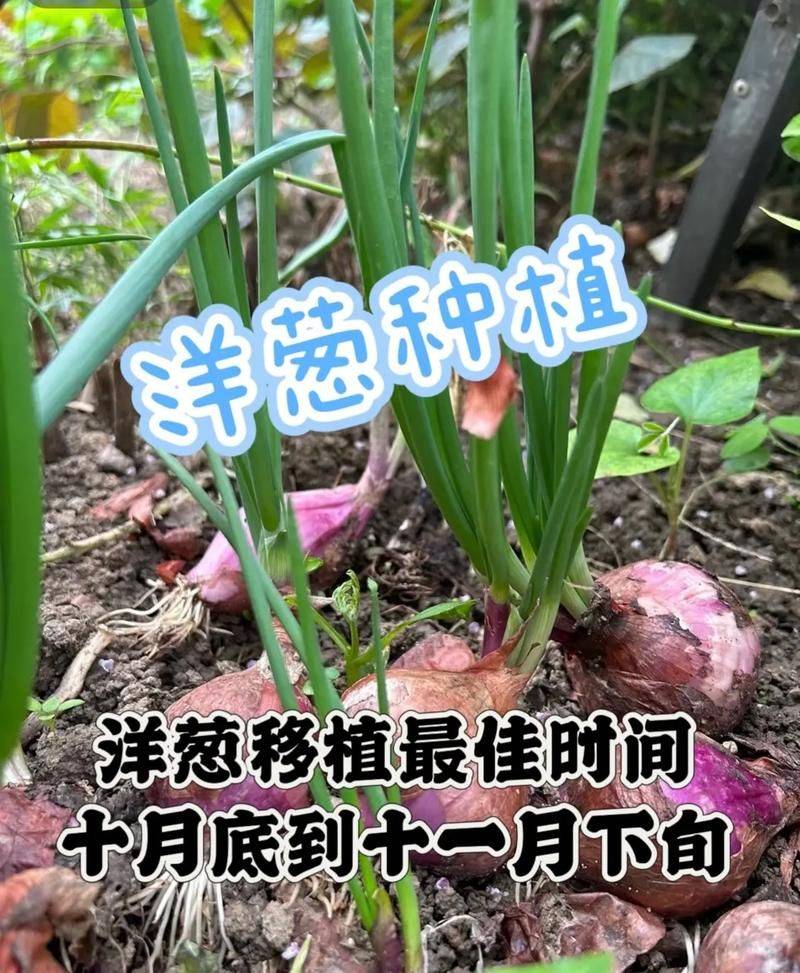
Onion harvests usually take place between the end of may and the first half of june, after which the onion harvest takes place in the field for two to three days. The root can be cut off and cut in the upper part of the bra, and sold。
I. Cultivation
(i) sowing period
Seeding is usually done from 10 to 20 september, with 50 to 60 days of age. (ii) slender bed preparation
The seedbeds should select fields with a high terrain, ease of drainage, fertile soil, and no garlic crop in recent years, for the sake of neutral land. An organic fertilizer of 300 kg and calcium per phosphate of 5-10 kg per 100 m2 per nursery. It is made of 1. 5 - 1. 6 metres wide and 7 - 10 metres long to sow seedlings。
(iii) sowing methods
(a) leaving between 9 and 10 centimetres on the surface of the seedbed, with a depth of 1. 5 and 2 centimetres, with seed seeding, and with foot pressure, with which the soil sowing the gutter will be stamped and watered。
2. Solution: first, the bottom water is poured in the seedbed, then a thin layer of soil is spilled, then seeds are sowed and then the soil is 1. 5 cm。
(iv) sowing
Seeding of 600-700 grams per 100 m2 seedbed。
(v) shrimp management
The seedlings must be wet and the seedlings should grow their first leaf, with proper control over the irrigation; the “spreading” of the bows should be watered in a timely manner, with two to three times after planting。
The seedling period combines watering with the pursuit of fertilization, with a fertilization of 10-15 kg of nitrogen fertilizer per acre. When the seedlings deliver one or two leafs, they are required to weed them in a timely manner and to produce an inter-sapling, sowing them at a distance of 3 to 4 centimetres and broadcasting them around 3 centimetres。
Ii. Complete of the complete
Onion roots are shallow and the absorptive capacity is weak, so cropping should not be deep, but should be fine. High-quality calcium decomposition weight of 2,000 kg per acre was combined with calcium phosphate of 16-20 kg and an appropriate amount of potassium fat。
Iii. Planting
(i) ranked seedlings
The seedlings must be grown with well-developed, robust and even sizes; the seedlings must be phased out, and the seedlings must grow too big and too small。
(ii) plantation density
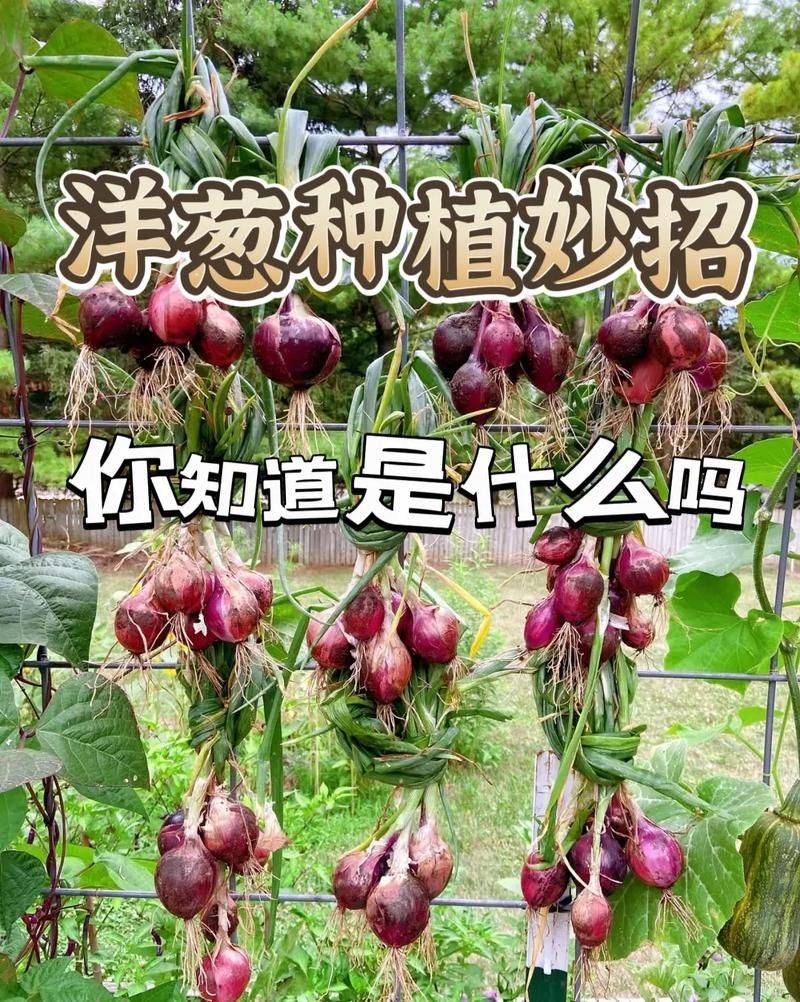
The average line range is 15-18 cm and 10-13 cm, with around 30,000 plants per acre。
(iii) timing
30 to 40 days before the cold arrived。
Iv. Field management
Watering
After some 20 days of planting, the onion enters a desolation period, with less water each time, and when the onion seedlings are alive, they enter winter and water the winter in due course. Returning after winter, water is to be watered, growing and controlled for about 15 days. Ending the sapling starts watering, watering every eight to nine days, and stopping watering seven to eight days before harvesting。
(ii) fertilisation
Onion requirements for fertilizer require 13-15 kg nitrogen per acre, 8-10 kg phosphorus and 10-12 kg potassium。
(iii) cultivated land
The depth of cultivation is about three centimetres, and the plant is shallow and far away。
(iv) detached
For onions that were pumped early, before the flower ball was formed, they were cut from the lower part of the florist or separated from the tip of the florist。
V. Combating pests and diseases
Onion diseases are common in frosting, purple spots, atrophysics, morbid diseases, etc. The common pests are flies, thomas, red spiders, thorium, etc. In field management, care is taken to observe the occurrence of various pests and pests, to detect insect hazards and to obtain timely medication and treatment。
Collection
Onion harvests usually take place between the end of may and the first half of june, after which onions are collected for two to three days in the field. The root can be cut off and cut in the upper part of the bra, and sold。