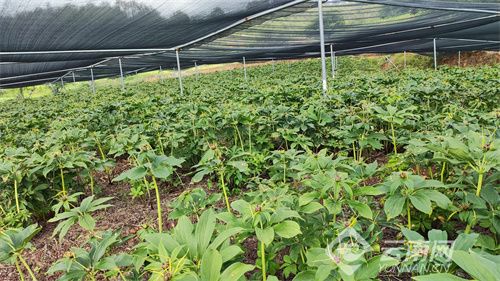
In order to improve the quality and productivity of thorium production through more scientific cultivation, the following are some of the technical highlights of thorium farming and cultivation management。
Agricultural techniques
(i) land-selection. The gill is adaptable and can grow in various topography and soils. The most appropriate conditions, however, are the sandy border soil of the soil, which is soft, with a ph of 6. 5-7. 5, winter temperatures of about 20°c and annual precipitation of 300-800 mm, which is not suitable for planting in low-lying and water-prone areas. Cultivation is possible on light saline, but when more than 0. 3 per cent of the soil is salted, measures are taken to pressure it. In order to facilitate mechanized transport and operational management, as far as possible, easy transportation, large tracts of land with drainage measures were selected。
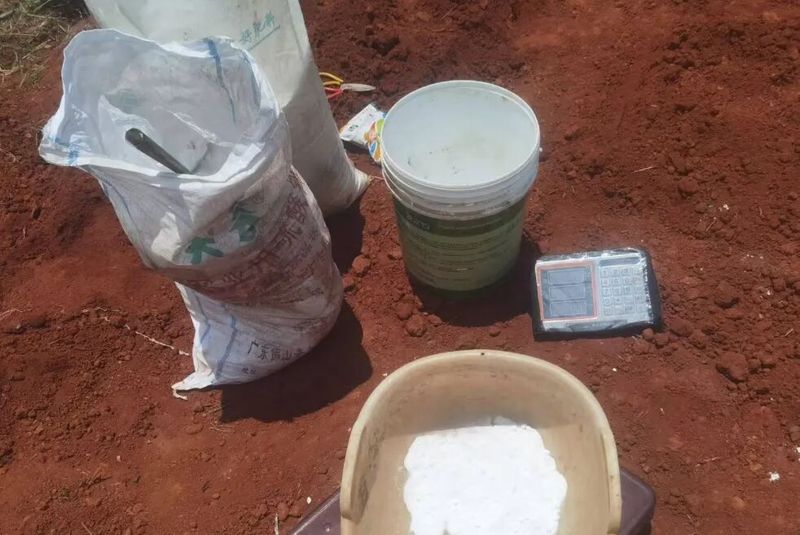
(ii) the whole area is small, slow-growing and vulnerable to weeds, and must be well prepared before they are soaked. The whole time of the earth is better in the summer, with a deep flip, a deep dredge, and weeds to the bottom. Before the fall season, as weeds are abundant, we have to do another one-and-a-half-time tilling, then wedge and weeding. It has a tumour that provides nitrogen nutrition to the root and does not promote the application of nitrogen fertilizer under general force conditions. According to studies, the effects of increased production after thorium fertilisation were more pronounced and the effects of one-time bottom application were essentially the same as those of subsequent fertilisation. 2-3m2/acre, pure phosphorus 8-16kg/acre, applied in combination with organic fertiliser 2-3m2/acre. Due to the large amount of potassium taken from the leaf during the growth of the aluminum, some potassium fattening can be applied appropriately to maintain the high yield, and in order to prevent the occurrence of weeds during the seed season, 48 per cent of fluorols (100 m1/acre) were sprayed into the soil and the whole area was rotated into the ground for up to three to five months。
Ii. Sowning
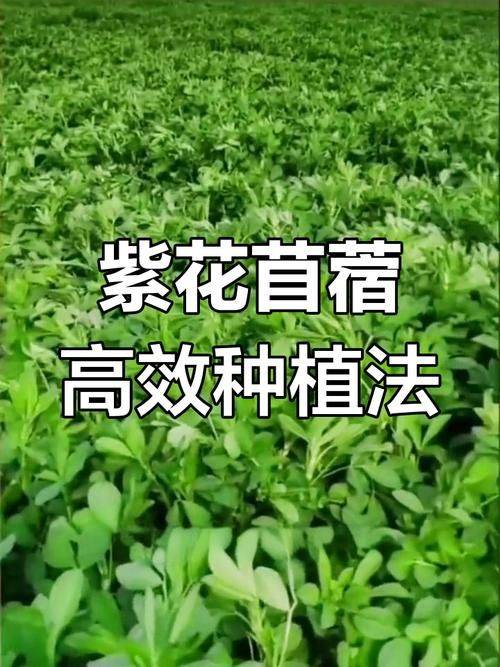
(i) the selection of the appropriate species is the first step towards success. Since thorium is a perennial plant, it is less than two to three years after seeding, more than four to five years, and is damaged several years after selection. At present, the country's best-performing species are the salvatore, the ganonl, the xinjiang daffodil, the o-hanthor, and the chinese saltyl. Among the better imports abroad are the queen of the united states, wl 323, wl 320, ansta, bao-green, and the japanese queens of the north and the north. Varieties imported abroad are straightforward and favour mechanized harvesting。
(ii) seed treatment. Seeds produced in the country have more impurities and of less secure quality, so they must be selected so that they are more than 90 per cent pure, more than 85 per cent germane and more than 98 per cent pure. Pre-plant seeds are better dressed. Based on the formulation of the seed 500 kg+ wrapping material 150 kg+ sticker 1. 5 kg+ water 75 kg+ ammonium molybrate 1. 5 kg, seeds are able to grow robustly during the seeding period from pests, weeds, etc。
(iii) the planting time. A year and a half in the north, usually in autumn. Soils are abundant in moisture, temperature is appropriate and weeds and pests are low. In shaanxi, hebei, shanxi, shandong, tianjin and beijing, planting took place from 10 august to 10 september. Too late for normal winter。
(iv) the method of seeding and the amount of seeding. Most of the area is based on a stripping distance of 30 cm, conducive to ventilation and field management. Seeding is generally around lkg/acre, with less cropping, more salinized and too thin. The sowing depth is the key to influencing the good and bad seedlings, usually overplanting with an optimal depth of 0. 5-1 cm。
Iii. Field management
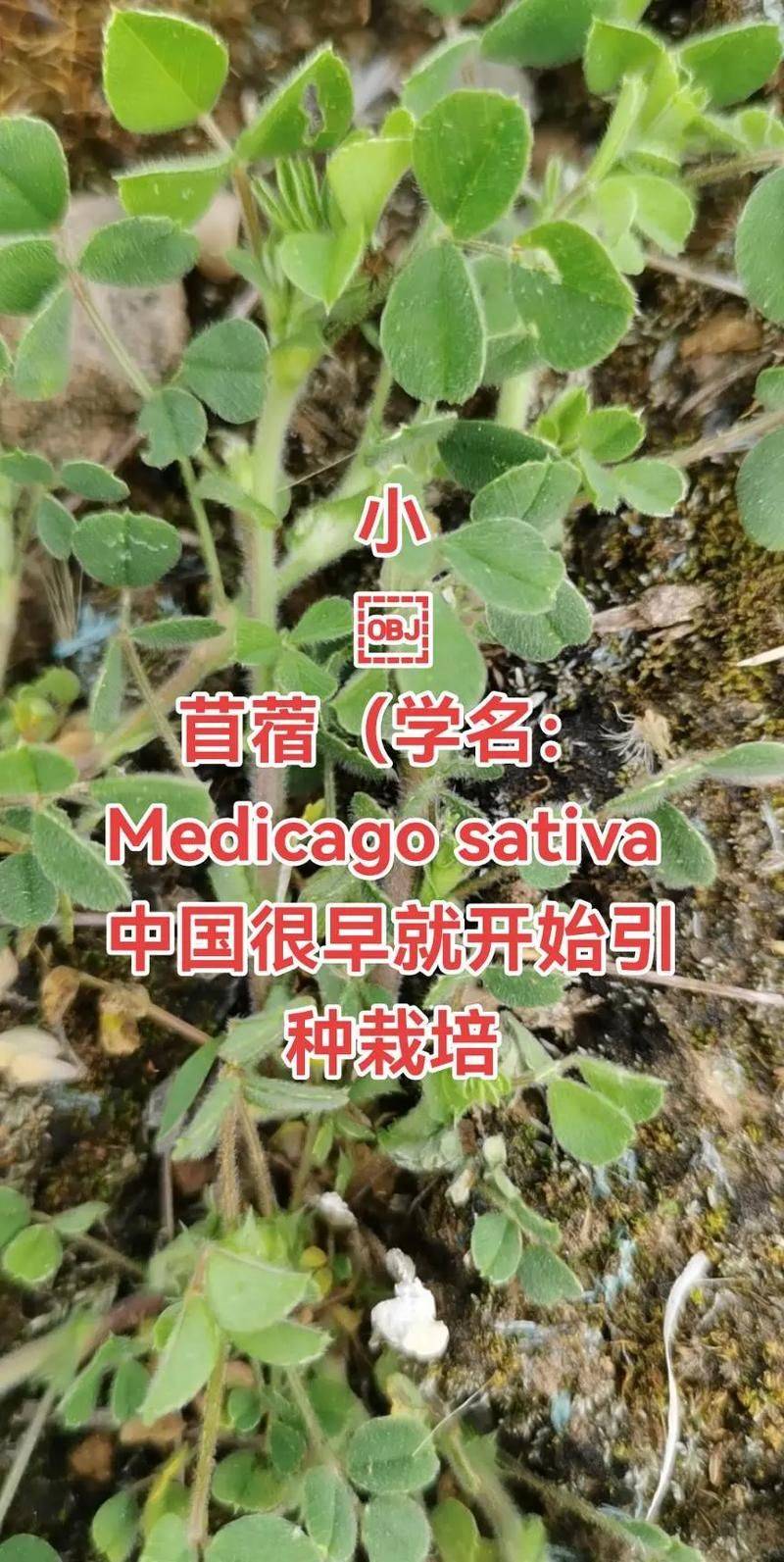
Weeding is a major component of the management of grasslands, i. E., in the period of seedlings and in the period of summer harvests, when weeds are less grown and more seriously endangered, especially after the summer harvests, when water heats and synchronous weeds grow fast, it must be regulated in a timely manner regardless of the method used. The choice of herbicides should be prudent in order to avoid the poisoning of livestock。
(ii) water for irrigation and drainage. Water is to be watered before winter, after recovery and during drought. The coastal seas, with low concentrations, must be careful to drain during the rainy season, which can kill 24 hulls。
(iii) prevention and control of pests and pests during the birth of thorium must be addressed in a timely manner, otherwise they will affect yields and quality. Spraying is generally used to combat pests, such as rusty, brown spots, frosting, polybacterium and tobuzines。
Harvest
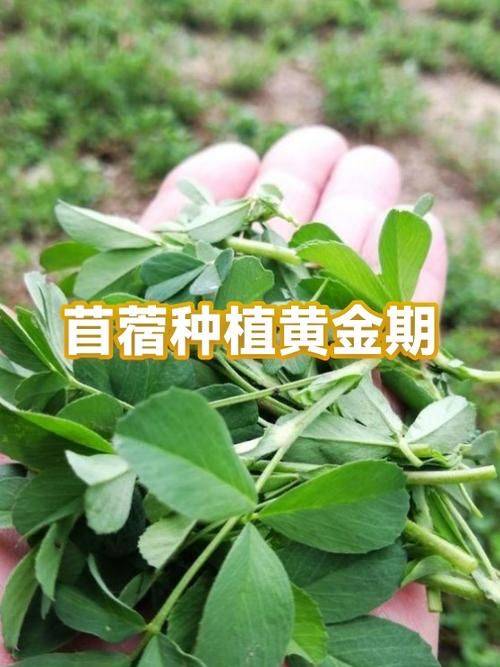
(i) the harvest period usually begins at the beginning, i. E. When the flower reaches one tenth, not later than the flowering period。
(ii) the number of harvests and the height of the scavengers are multi-year plants that are highly regenerative and can harvest 3-4 times a year, with the last harvest not too late, otherwise they affect nutrient accumulation and are detrimental to safe winters. The normal harvest is followed by a long life of 40 to 50 days. Stay high for 5 cm。