Having passed the critical time of seeding rice production throughout my province, affected by the prolonged drought since the summer of 2022, this year in a significant part of my province, rice breeding is facing the challenge of failing to refill the fields and the seeding season, which poses a major threat to spring production and food security。
In order to cope with the challenges of drought and water scarcity, local growers and farmers can adopt drought breeding techniques. This technology can significantly reduce the amount of water available for breeding, facilitate the cultivation of sturgeon, and respond to potential ongoing drought conditions by providing emergency response to rice breeding in 2023, with a proposal for rice breeding techniques to be used in appropriate areas for local reference purposes。
The following are some of the main elements of the technique used to sow drought:
1. Choice of varieties. Locally adapted, well-established, drought-resilient, fertile-time-appropriate and nationally and provincially validated quality rice varieties。
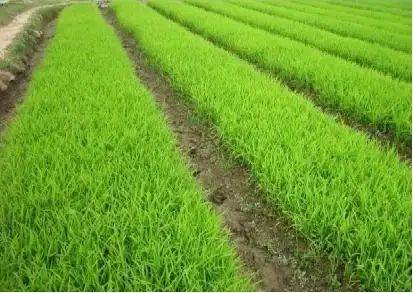
Bed preparation. The choice is for soil to be fertile, backwind to the sun, and the relatively convenient surroundings of the house to be rinsed with vegetables or sheds. The pre-sowning compartment, which is approximately 1. 2 metres wide, is medium in length and flat in length, and the surface soils must be lax and fined; it is also recommended that the pre-sowning bed be prepared with consumable organic or compound fertilizers, and that the pre-sowning bed be soaked and, in principle, not watered before the two leaves, and that the soil be moist。
Seeding. Seeds are selected, disinfected, impregnated, usually for 48 hours, sprouts to the white of the chest, sprouts to 30-40 grams per square metre of seedbed after drying, with sifting soil covering 0. 5 centimetres thick, high-altitude areas recommending plastic film and low-altitude areas recommending no mulch。
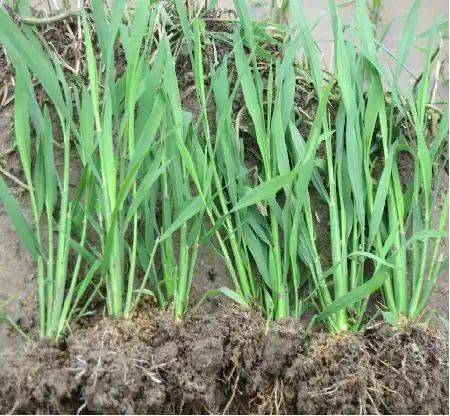
4. Shrimp management。
(1) cultivation to the point of one leaf: the membrane is generally free and the membrane is predominantly temperature-preservation wett, up to a maximum of 33 degrees, and the most suitable temperature is 25°c-28°c。
(2) once the needle has been laid, to 1 centrifugal: this stage is generally free of water and the temperature is controlled. If the temperature is higher (above 22°c), two thin membranes should be ventilated at around 10 a. M. And lids after 5 p. M. To prevent the burning of seedlings。
(3) 2x1 amniotics: air-trained seedlings, anti-saplings, with a minimum temperature of not less than 12°c, with gradual detour in view of the weather, which should not be less than 12°c; if the bed is white or fractured, it can be watered early and late, but not enough to go to bed at once; attention is paid to weaning, with 10 - 15 grams of urea per square metre; and the first infestation of pests and pests, with a focus on the prevention and treatment of the disease, etc。
(4) three to five days before the transplantation: indoctrination of fertilizers with 10 to 15 grams of urea per square metre; in conjunction with a second pest spray control with medication to fatten the field; in general, in the age of 35 days and in the period of 5 to 6 leaves of the main tuber。
5. Pest management. Pay attention to the prevention and treatment of pyroflops, lice, tremors, tigers and rice pests, with a focus on the management of adhesive diseases, which can be treated in terms of the volume of sprays used in instructional books with the use of a combination of tripoding, steroids, polypsin, polypsin, diaphragm or necroxone。
Rice institute of the academy of agricultural sciences of guizhou
Liu shaopo
Editor, tang jie
Second instance, liu huehue
Zhao yong jun