The following novels give us the concept of kopp, where lawn life is in fact divided into two types: warm season grasses, warm season grasses that are more hot and cold-resistant, usually seeded at the beginning of spring and summer, warm season grasses in hot summers that enter the booming stage of growth and development, and warm season grasses that are widely used in the south of the country, which represent what we often call dog teeth。
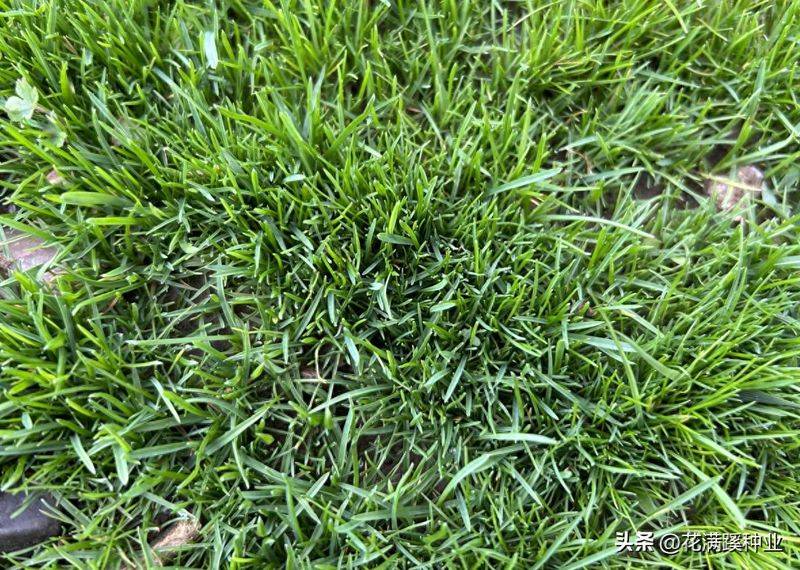
What lawn should we plant in the fall? Of course, cold-season lawns, cold-season lawns are more resistant to cold, growing more robust in the spring and autumn, and what are cold-season lawns? Here we are introducing you to one of the most extensive types of cold-season lawn species — the coarse sprouts。
It is more similar to the grass, but it is referred to as the long-crystal, because its stasis is rougher。
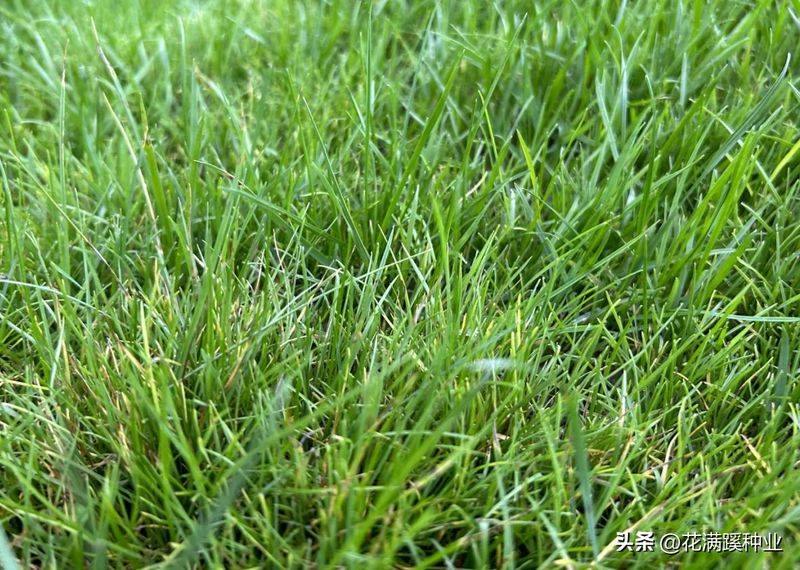
Morphological characteristics: multi-year grasspads, root-shaped, pole-breeding, smooth, 30-60 cm tall, leaf swirl, 2-4 mm wide, dense in the base, foliage cone, 13-20 cm long。
Growing habits: high light, strong anti-negativeness, preference for wet environments, poor drought resistance, shallow roots, timely recharge of water in arid or semi-arid areas, extensive cultivation in the north and north-west, usually yellow in november, returning to youth in march。
Purpose: because of its soft grass, its long green season, its rapid growth, its high life force and its high resilience to the cold, it is generally used for relaying warm season lawns in the autumn, maintaining the green season, or for park courtyards and sports lawn golf courses, etc。
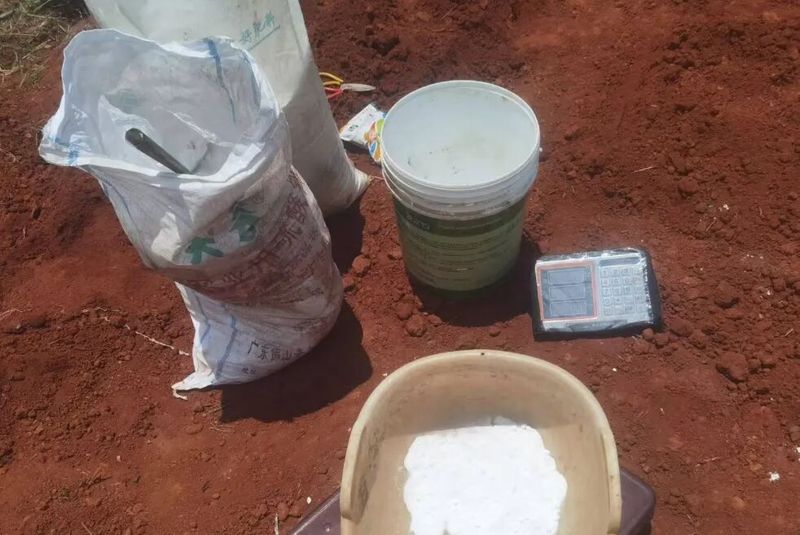
Seeding methods: because of the small size of the pre-cooked seed, it is possible to balance the seeds with the fine sand in a scale of 1:10, i. E., 1 seed, 10 sand, with timely soil after planting. At the same time, the nursery bed is wet, with a humidity of approximately 15-20 per cent and a thickness of 0. 5-1 centimetres。
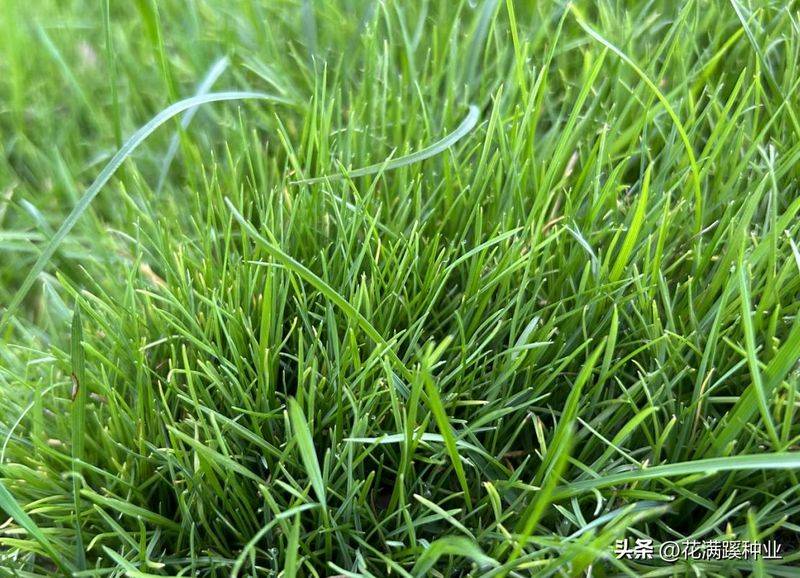
After the soil is covered, a further step is to roll, either through the lawn rolls or by foot, so that the seeds and the soil are fully integrated, thereby facilitating the inflating of the seeds. Plantation on the lawn should be covered on a conditional basis, most commonly with no rags, with the advantage of permeating the water, having a certain temperature-preservative humid effect, and operating with great ease and natural degradation after the lawn has grown。