Basic information
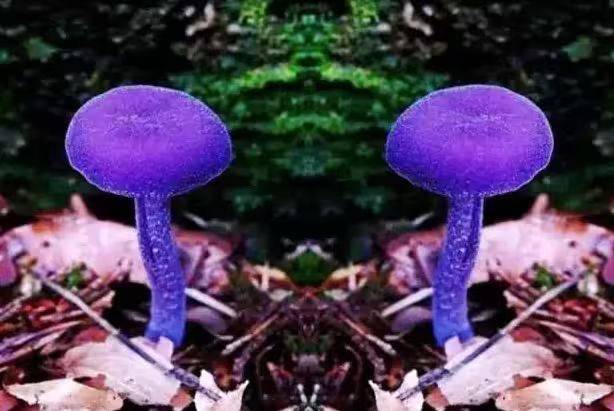
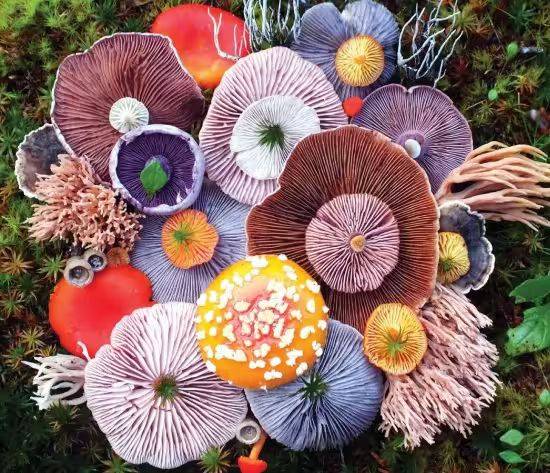
The popular version of the method used to distinguish some of the poison mushrooms, such as the co-infestation of the bacterium and the spores on the bacterium handle, the anti-diverse face of the bacterium mushrooms, are mostly toxic, and the colour of the mushrooms are toxic, are not scientific。
Identification skills
Since there are no significant differences between the macro-specific characteristics of some fungi and edible bacteria, and no rapid and reliable identification of mushrooms has yet been found, incidents of poisoning due to the misuse of mushrooms have occurred. The identification of a complex variety of fungi and edible bacteria from different places, based on traditional, simple, specific experiences and methods, is one of the reasons for the poisoning of the fungus. All three cases of mushroom poisoning in guangzhou city in 2000 said that “same” mushrooms had been eaten many times in their home areas without poisoning. In fact, they are not the same, as many edible and virulent bacteria are very similar and even specialists sometimes need tools such as microscopes to be able to identify them accurately。
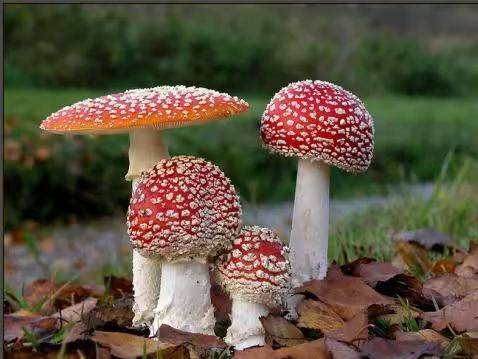
Poison mushrooms
We should be particularly vigilant about the highly toxic species in guangdong and the often toxic mushrooms. Since the highest probability of death from poisoning is in the form of goose ointment, it is important to recognize the main characteristics of such mushrooms: the larvae form, the flesh, the bacterial lids are often left behind by various strains, the bacterial strains (sometimes not visible, becoming the basis for the expansion of the bacterium), the presence or absence of bacterium rings, the whiteness of the bacterium, the earth and the plants that often live with the shell. The ring-covered mushrooms are characterized by their length in the ground with rotting organisms such as weeds, which are usually white, light yellow to light yellow green, with visible bacterium rings, previously known as ring-covered mushrooms, such as lead green mushrooms. The proportion of mushrooms growing on animal dung, such as cattle and horses, is quite large, although they are classified in different groups, but their toxicity is similar, often leading to neurotoxic symptoms and gastrointestinal-type poisoning. Cuba's naked mushrooms fell into this category in april 2006 in the case of the thonosis. Care should also be taken with respect to some of the types that have been made greener by injury, or that have greened the bacterium cords (e. G., green by a lead-blue umbrella and green by a naked umbrella in cuba). These oxidized and green chemicals may be toxic. In addition, no species of edible bacteria near toxic plants can be eaten. This is not the standard for the identification of toxins, except for the fact that in guangdong province there are more fungus causing serious accidents with these characteristics, which are not necessarily toxic. Many of the poison mushrooms are fungus symbiotic with plants, some of which are more specific to the drug mushrooms, and can be identified initially from their symbiotic plants. For example, in guangzhou city, the most fatal goose ointment that has caused severe poisonings in recent years is the symbiotic fungus of the root of the tree. So far, all the deadly goosenogs we've collected have been found in the places where the plum trees grow。
Type of poisoning
The types of toxic mushroom poisoning are divided into six types according to the symptoms of poisoning: gastrointestinal type, neuropsychosocial type, soluble type, liver damage type, respiratory and circulatory failure type, and photo-sensitive dermatitis type。
Gastrointestinal inflammation
This is the most common type of poisoning. The insulation period is shorter, usually 10 minutes to 6 hours after eating. The main manifestations are acute nausea, vomiting, abdominal pain, watery diarrhoea, or accompaniment with dizziness, headaches and general inactivity. The general pathology is short and recovery is relatively rapid, with better predictions and few deaths. In serious cases, however, there is vomiting of blood, dehydration, electrolytic disorders, coma and acute liver and kidney failure to function。
Nervous
There are many toxins that cause this type of reaction, some of which can cause hallucinogenic effects similar to those associated with drug use. Symptoms of poisoning can be broken down into neuroexcited, neurostatics, psychosis, and various hallucinogenic reactions. Such symptoms can occur alternately during the onset of the disease, or only partially, and some patients may be associated with gastrointestinal symptoms. If mushrooms containing venomous fly-alkalis are poisoned, they have a short incubation period and generally occur within 10 to 6 hours after eating (more than 30 minutes). Heavy sweat, heat, salivating, tearing, cold, slow heart rate, low blood pressure, fast breathing, reduced pupils, eyeslids, weakened or even blurred vision, twitching by akims, acute pulmonary oedema. The severer is speech, convulsion, coma or wooden stiff, and dies as a result of respiratory inhibition. Toxic mushrooms containing venomous fly mothers and wax tree acid are intoxicated for very short periods, generally with an outbreak of 30 minutes to 2 hours after eating. The main manifestations are irritation, mental abnormalities, convulsions, confusion or vision. The presence of leds or leds in the mushrooms of psilocybe and panaeolus and stropharia can give rise to a sense of nervous excitement, wide-spreading pupils, accelerated heart rate, increased blood pressure, higher body temperature, red-faced faces, sweating, cold, hearing, change of taste and even apparent hallucinations. Some of the patients feel lost in time and distance, some are extremely happy, and they sing and dance like the drunks are angry, crying and laughing, or in a state like loony and dreamless. Normal return to normal after hours. It's mainly a visible colour illusion. Psychiatry-induced poisonings are generally of short and rapid potential, ranging from half an hour to about an hour. There's a lot of fantastic hallucinations. The most famous fungus that are currently recorded as causing hallucinations are psilocybemexicana, psilocybecubenis, poisonous mushrooms, semi-naked mushrooms, etc. In the past, the amerindians had used “gods” known as poisons that gave rise to ecstasy, which they knew even 3,000 years ago. There is excitement, laughs, hand-dancing footpaths in the midst of vision, fantasy, hearing. Some are like drunks, shaky, demented. It starts with dizziness in the eyes, with visions of size, change in length or a sense of error. In some cases, there was a sense of nervous excitement, high blood pressure, wide pupil dispersion, etc. It is usually shorter and easier to recover. There are also a number of hepatic fungus that can give rise to “small human phantom”, which can be characterized by patients who can be seen as phantom, exotic, sexually active and even small animals. At this time, patients are in a state of stress, panic or despair, and those who are heavy suffer from wooden dementia, which occurs six to 24 hours after eating, and symptoms of drinking while eating, which are more evident and take 3 to 12 days to recover。
Individual cases have a duration of 1 to 3 months and can be misdiagnosed as acute schizophrenia. However, normality can normally occur within a short period of time as the toxicity disappears。
Solution type
The intoxication of mushrooms containing such toxins has a longer duration and generally occurs 6-12 hours after eating. In addition to the conditions of vomiting, abdominal pain or headache, irritation, etc., can occur rapidly in one or two days as a result of the massive destruction of the red blood cell by toxins. The main manifestations are acute anaemia, yellow blubber, haemoglobin urine, liver and spleen swelling. In some cases, there are kidney damage caused by blood solution, protein urine, blood urine, etc., and even subsequent acute symptoms such as urine poisoning. Severely weak pulses, convulsions, hallucinations and sleep addictions may result in deaths from liver, kidney damage and heart failure。
Hepatic damage type
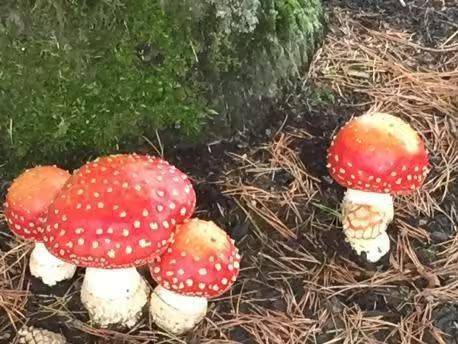
Poison mushrooms