The period of childhood up to the age of 3 is the most critical period for the child's growth and development. Through planned, purposeful and meaningful parenting activities guided by scientific methods and concepts, this contributes to the full development of the child's health, intellectual, emotional and social resilience。
Knowledge 1: periodic health screening

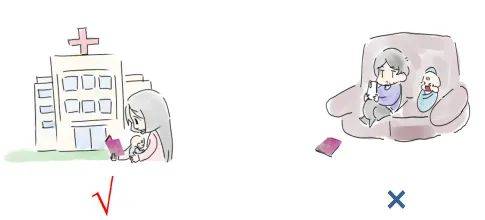
Carnation: at the age of the child's first month and at 3, 6, 8, 12, 18, 24, 30, 36 months, the child should be brought to a service such as a rural health centre or a community health service centre, under the national basic public health service project for children 0 to 6 years of age, regularly monitored for physical growth and behavioural development, and registered in the guizhou health manual for mothers and children. Children are required to present their mother and child health manual when attending school。
Knowledge 2: timely vaccination
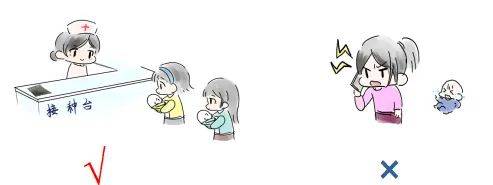
Carnation: parents should take their babies and young children to vaccination units such as township health clinics or community health service centres to receive the national immunization programme on time and free of charge. On the basis of the priority guaranteed immunization programme, caregivers can choose non-immunized vaccination according to the principle of “informed, voluntary, self-funded” taking into account the physical health of infants and children, the prevalence of diseases and the family's economic situation. Children are required to present a vaccination certificate when attending school。
Knowledge 3: attention to visual health

Carnation alerts: parents should ensure adequate sleep, balanced meals and outdoor exercise time for infants and young children in day-to-day care, and reduce the duration of close eye time and keep the eyes of young children clean. The viewing or use of an electronic screen is not recommended for children up to the age of 2 years, and the viewing or use of an electronic screen does not exceed one hour cumulatively per day for up to 20 minutes each time。
Knowledge 4: early dental care
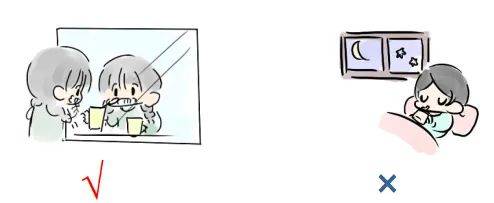
Carnation: when a baby comes out with its first tooth, it should start cleaning its teeth, and the caregivers can use a gauze, a fingerbrush, and a child's regular toothbrush to clean its teeth. To the extent possible, diets with sugar are avoided and drinking water is predominantly white. The caretakers should not chew food and then feed the infant and young child, and should not share meals with them. The first cavity curvature occurs between the age of 12 and the first oral examination and risk assessment of the disease is carried out, followed by periodic examinations every 3 to 6 months。
Knowledge 5: good hearing health
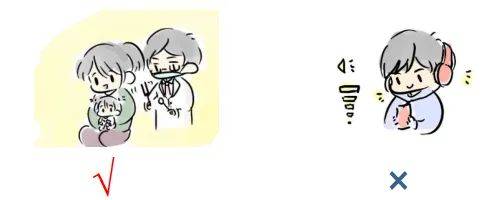
Carnation alerts: infants and young children aged 6, 12, 24 and 36 are the focus months for hearing screening. Day-to-day observation of a baby's ears with odor and leachate, action to beat or scratch the ears, sensitivity to sound reactions and prompt medical attention. Avoiding the use of earphones by infants and young children; avoiding the use of strong or persistent noise environments; avoiding the use of strong industrial noises and recreational noises by infants and young children; preventing water from being choked and watered in the ears when bathing or swimming; and avoiding damage by cleaning off the outer ear。
Knowledge 6: promoting breastfeeding

Carnation: infants within six months promote exclusive breastfeeding without the need to add liquid and solid food such as water, juice, etc. In march, infants and young children are breastfed on demand no less than eight times a day. The age of 4 to 6 months is gradually being fed on a regular basis every 3 to 4 hours and about 6 times a day, which reduces the number of breastfeedings at night and helps children to develop continuous sleep at night. For the age of the child
Knowledge 7: focus on dietary nutrition
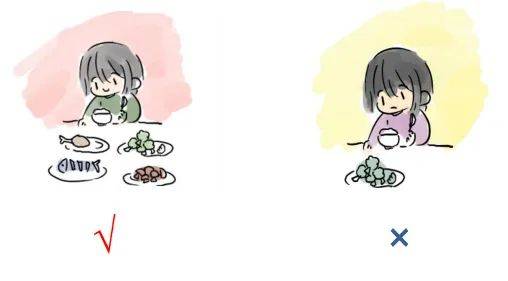
Carnation alerts: at the age of six, infants and young children should breastfeed in a timely manner with iron-rich rice powder, animal foods (fish, poultry, meat and internal organs), egg foods, vegetables, fruits, etc., which should be added in accordance with the principle of “one by one, one by one, fine by one, thin by one, thin by one, few by one”. Each new food addition should be observed for about 3-5 days. No sugar, salt or spices are added to the food of children up to the age of one. Avoiding high salt, sugar, fat food and carbonate beverages for infants and young children。
Knowledge 8: promoting parent-child exchange
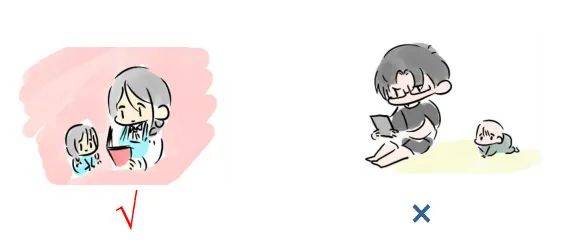
Carnation prompts: parental interaction is facilitated through physical contact and body language such as touching, hugging and eye and face. The early use of language for communication with infants and young children begins with simple voice, gradually rising to words, phrases and full text. As language skills improve, stories, drawings and songs are often taught to infants and young children. Parents of infants and young children who are left behind are often able to maintain contact and emotional communication with their children and their caregivers, using a variety of means, including telephone, video and home-to-home support, in order to avoid their growing up in an environment without parental care。
Knowledge 9: strengthening the play movement
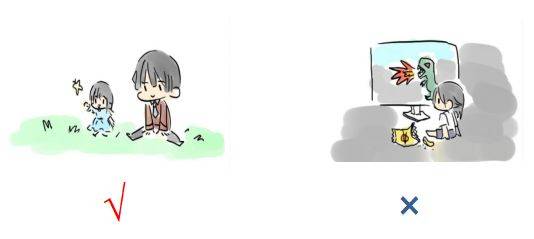
Carnation alerts: parents are expected to engage in free play with infants and young children in free and casual forms, such as reading songs, imitating animal calls, imitating phone calls, taking orders, avoiding cats and cats, hand-lapping games, calling names, looking in the mirrors, identifying body parts, etc., and focusing on the development of the capacities of infants and young children in terms of cognitive, linguistic, emotional and social interaction. It is necessary to strengthen physical exercise by providing opportunities to climb, walk, run, jump, and exercise with fine moves such as grabs, stairwells, graffiti, etc. Infants and young children spend at least three hours of physical activity per day, including at least two hours of outdoor activity, avoiding sitting longer than one hour。
Knowledge 10: a rich social experience

Carnation: parents systematically involve young children in household tasks as they can, such as practicing to prepare their own clothes, supplies, toys, books, etc., to improve life skills and self-care skills. Young children should be helped to learn and live with others through peer contacts, family visits, family gatherings, birthday events, etc., and learn simple rules of behaviour. Community resources (parks, children's centres, children's playgrounds, cultural and cultural venues, etc.) should be fully utilized to bring children to visit, visit, play, touch nature and gain a rich life experience。
Guizhou health commission
Guizhou family planning association
Guizhou maternal and child health centre