The period of childhood up to the age of 3 is the most critical period for the child's growth and development. Through planned, purposeful and meaningful parenting activities guided by scientific methods and concepts, this contributes to the full development of the child's health, intellectual, emotional and social resilience。
Knowledge 11: fit for life care

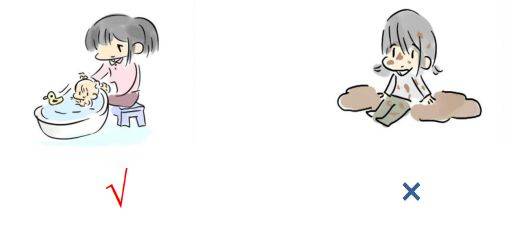
Carnation alerts: the family has relatively fixed and safe areas for infant and child activities, a simple, colourful and child-friendly wallchart is posted in the right places, and appropriate toys, pictures and books are provided according to the level of infant and child development. (d) take baths, cut fingernails and change clothes for infants and young children. Adequate sleep is guaranteed to infants and young children, with a total of 12 to 17 hours per day and 10 to 14 hours per day. Children and young children must sleep for more than eight hours at night. To avoid the habit of falling asleep by hugging, shaking and sleeping with nipples。
Knowledge 12: maintaining mental health
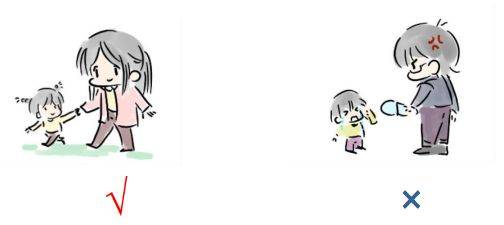
Carnation alerts: parents should actively focus on the expression, voice, movement and emotional expressions of infants and young children, understand the signs of hunger, injury and need for company, and respond positively and in a timely manner. Any neglect, corporal punishment, abuse, violence or threatening behaviour of infants and young children should be strictly avoided, and negative attitudes should be avoided. Caregivers are required to observe and participate in the activities of infants and young children on a day-to-day basis, with care to prevent physical and psychological harm or abuse of children from outside the family or care institutions。
Knowledge 13: strengthening disease prevention

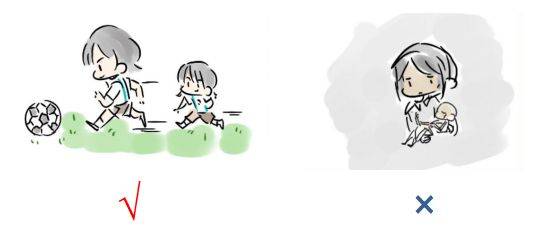
Carnation alerts: children and young children who grow slowly or too fast, lose weight, small, obese, weak and weak should be treated in a timely manner. When it is found that the behaviour of an infant and child is different from that of a child of the same age, such as being unable to smile, not having eye contact, not being able to look up, not being able to walk away, not being able to speak, it should be treated in a timely manner. In cases where children are found to be suffering from mental disorders, eating disorders, sleep disorders, constant crying and lack of comfort, as well as rashes, fever, vomiting, diarrhoea, acute breathing and convulsions, they should be treated in a timely manner。
Knowledge 14: clearing security
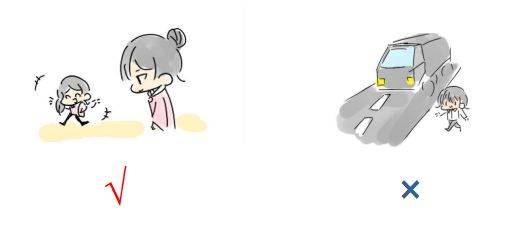
Carnation note: parents must bear in mind that babies and young children cannot leave the perspective of the caregivers. When caring for infants and young children, electronic devices such as mobile phones should not be used at the same time and other non-essential activities should not be carried out. When many people are with infants and young children, one person should be identified as taking care of them. Infants and young children are kept within reach in water or at water edges, heights, with animals around them, etc. Children are not left without care, are not allowed to play unsafe games with them, and are not allowed to be cared for by minors. Caregivers must be ready to screen and remove security risks and help young children develop safe behaviour habits。
Knowledge 15: catching early learning
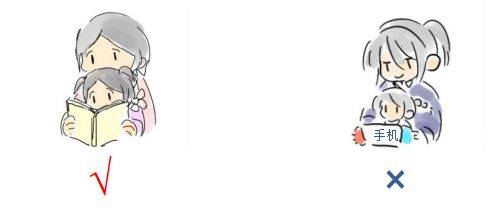
Carnation: in day-to-day parenting, infants and young children develop their abilities in sports, cognitive, linguistic, emotional and social adaptation through imitation, repetition, experimentation, etc. Parents need to make full use of family and social resources to integrate early learning into every chain of care for infants and young children and to provide them with rich early learning opportunities. Books and toys appropriate to the age of the child should be purchased at home。