1. Origin of the birth. The former european union is the coal and steel community
Many people know that the eu is a regional integration organization, but they do not know that it was born for a purpose other than mere economic cooperation, with the central aim of putting an end to the war in europe, after the european coal and steel community, established in 1952, which was an important product of post-war european countries seeking peaceful development. In 1950, french foreign minister schumann launched the “schumann plan”, which established the basis for the establishment of the european union by promoting joint regulation of the french-german coal and steel industry and eliminating the root causes of war。
At the end of the second world war, when the continent was devastated, the two countries, france and germany, were at the heart of two world wars and were deeply ambivalent and had to be interdependent. The coal and steel community, which jointly manages the most critical strategic resources of the two countries, “with you and me”, has completely cut off the material basis for the war between the two countries. This initiative not only overcomes the french-german conflict, but also promotes the integration of the rest of europe as a starting point for eu integration。
Member change! From 6 to 27, the only “retire” country is britain
When the former coal and steel community of the european union was established, there were only six founding members, namely, france, west germany, italy, the netherlands, belgium and luxembourg. After seven enlargements, by 2026, eu member states had stabilized at 27, covering most of europe, while the united kingdom was the only country in the history of the european union that had officially “relided”, an event known as the “de-european” that had marked an important turning point in the eu’s development history。
The european union's enlargement has a clear temporal node, the largest of which was in 2004, when 10 central and eastern european countries joined at the same time, known as the east wave, which significantly expanded the geographical scope and influence of the european union. On 31 january 2020, britain formally graduated from the european union, ending its 47-year membership in the european union, a graduation that not only affected britain’s own development but also had some impact on the eu’s integration process。
There is no single headquarters! Eu agencies are scattered in 4 cities in 3 countries
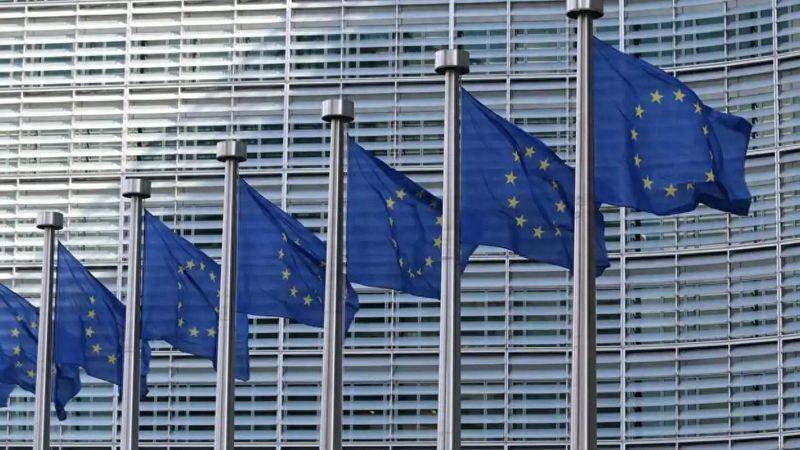
Unlike nato's single headquarters, the european union does not have a unified exclusive headquarters, with its core structure scattered in three countries and four cities. This “dispersional layout” is the result of a compromise among member states and reflects the eu's diversity, with many mistakenly thinking that brussels is the only headquarters, a common area of error。
The core institutions of the european union are clearly divided and distributed: brussels (belgium) is the seat of the european commission and the european council, which is known as the “administrative hub” of the european union; strasbourg (france) is the main seat of the european parliament, where most parliamentary meetings are held each year; luxembourg is the seat of the european court of justice, the european court of audit, which is responsible for judicial and audit work in the european union; and frankfurt (germany) is the seat of the european central bank, which controls the issuance and regulation of the euro。
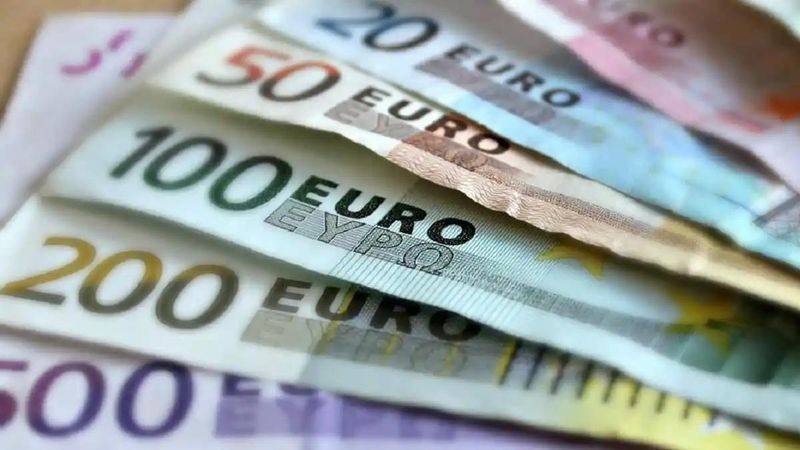
4 harmonized currency! The euro is not used by all member states
The euro, which is the unified currency of the european union and the second largest reserve currency in the world, is currently used by 21 member states to form the euro zone, but not all eu member states have joined the eurozone, and six other member states retain their own currencies, the most representative of which are sweden, denmark and poland。
The euro was officially introduced as a currency of account on 1 january 1999 and, on 1 january 2002, euro notes and coins were officially circulated, gradually replacing the original currencies of euro area countries, such as deutsche mark, french franc, italian lire, etc. Member states that are not members of the euro zone mostly retain their own currency through waivers by agreement or by their own choice, enjoying both the economic well-being of the european union and monetary autonomy, of which denmark has repeatedly refused to join the eurozone by referendum。
The council of europe is not a “legislative body”
Many have confused the eu's decision-making body, which considers the council of europe to be the highest legislative body of the eu, but not the council of europe, which is the highest decision-making body of the eu and is primarily responsible for determining the overall direction of the eu's development, while legislative power is exercised mainly by the european parliament and the council of the european union, with a clear division of labour and a balance between them。
The council of europe, composed of the heads of state or government of the member states, meets at least four times a year, commonly known as the “eu summit”, under the presidency of the european union, to discuss, inter alia, the core issues of the union's key strategies, foreign policy and economic development. Its resolutions do not have direct legal force and they need to be implemented by the european commission and adopted by the european parliament and the council of the european union before they become the formal legal texts of the european union。
6. Presidency! Rotation every six months with limited powers
The presidency of the european union, which rotates in sequence among the member states for a period of only six months, is primarily responsible for chairing the council of the european union, coordinating relations among the member states and promoting the implementation of the decisions of the european union, but it does not have absolute ownership and is subject to severe restrictions, more like the european union's “temporary regulator”。
The order of rotation of the presidency has been set in advance, giving priority to the size of the population and economic strength of the member states, taking into account regional balance, with poland in the first half of 2025, denmark in the second half and cyprus in the first half of 2026. The presidency could raise its own priorities, but final decision-making would still require consensus among all member states and would not be able to decide on the major matters of the european union alone。
7 - budget distribution
The day-to-day functioning of the european union, the implementation of policies and the advancement of projects required substantial financial support, mainly from the budgetary contributions of member states, which were determined by the economic strength of each country, and the higher the share of the economically developed countries, of which germany, france and italy were the three largest contributors, the combined share of which exceeded 50 per cent。
The seven-year budget for the european union is a core funding plan, and the eu budget of euro2 trillion, published in 2025, has given rise to controversy over the financing programme, and the european commission has challenged several member states for imposing new taxes on companies with net turnover in europe exceeding euro100 million. Moreover, budget sharing has often been the focus of debate among member states, with some of the weaker economies wishing to reduce their share, while the major contributor has called for a fair burden and a balance between its interests and the development of the eu。
8. Schengen area: free movement between member countries without visa
The schengen area of the european union is an important manifestation of its integration. Twenty-six countries are currently participating in the schengen area, of which 22 are eu member states, 4 are non-eu member states (norway, iceland, switzerland, liechtenstein), and 4 are acceding to the schengen area. Citizens are free to travel on the basis of identity cards or passports, without the need for a visa, border checks have been cancelled and “free movement of persons” has been achieved。
The schengen area was established in 1985 and is known as the town of schengen in luxembourg, where the five founding members of the european union signed the schengen agreement, the central objective of which is to break the border barriers between member states and to facilitate the free movement of persons, goods and services. It is worth noting that not all eu member states have joined the schengen area, such as bulgaria and romania, which are eu member states, but have not yet formally joined the schengen area, and border controls are still being implemented。
9. Linguistic diversity. As many as 24 official languages have extremely high communication costs
The european union is one of the world's most linguistically diverse international organizations, with 24 official languages, covering the main languages of member states, such as english, french, german, spanish, italian, etc. Citizens of any member state can communicate and submit documents in their mother tongue in eu institutions, and the european union will provide free translation services。
This multilingual policy is designed to respect the cultural sovereignty of member states and to embody the eu's concept of “plurinationality” but also entails very high communication costs. The eu spends hundreds of millions of euros annually on translation services, and the european parliament alone needs thousands of translators to guarantee the smooth advancement of meetings and documents. However, english, french and german are the most commonly used working languages in european union institutions and are used most frequently in daily communication。
Legislative process. A law has to pass “three readings”, which takes time
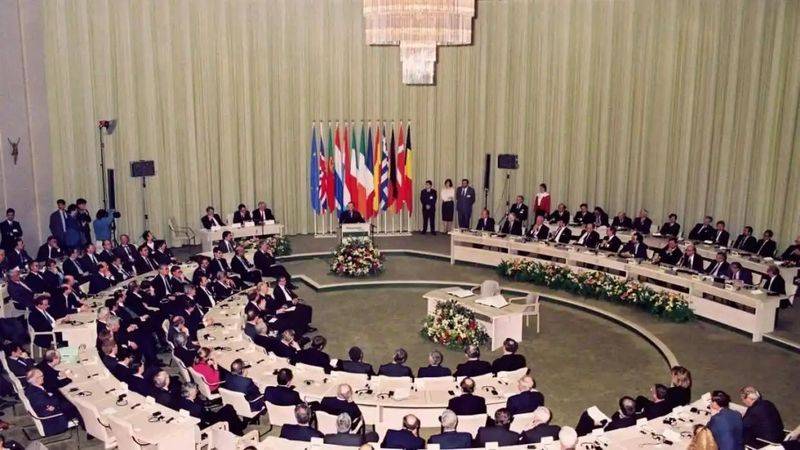
The european union's legislative process is very rigorous, and the fact that a law from its introduction to its formal entry into force requires a “third reading” process, with the participation of the european parliament, the council of the european union and the european commission, and a consensus process, which often takes months or even years, is the main reason for the inefficiency of eu legislation。
The “third reading” procedure is clearly divided: on first reading, the european parliament considers and proposes amendments to the european commission's legislative proposals; on second reading, after consultation with the council of the european union, proposes its own amendments, which are then considered by the european parliament; and on third reading, which resolves, inter alia, the differences between the two parties and, if agreement cannot be reached, a conciliation commission will be established, and the law will not enter into force until a consensus has been reached among the three parties. This rigorous process is designed to ensure that the law accommodates the interests of all member states and avoids “one-sided” situations。
11, environmental pioneer! The eu has the highest environmental standards in the world
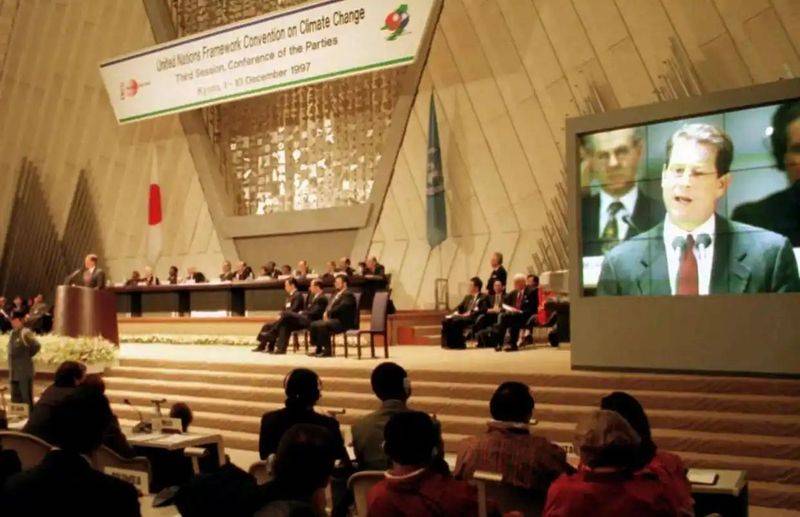
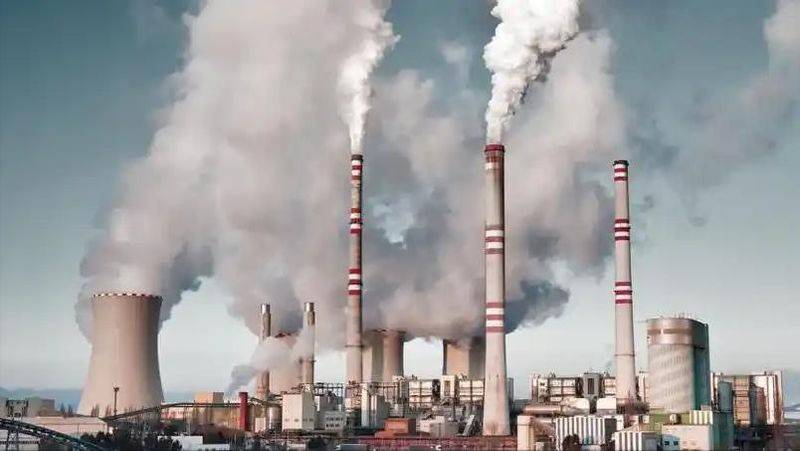
The eu has been at the forefront of environmental protection by setting the highest global environmental standards, covering a wide range of areas such as climate change, pollution management, renewable energy, and even introducing a “carbon border tax” requiring imports to meet eu environmental standards, otherwise high tariffs will be imposed to promote global environmental awareness。
The eu's environmental policy is mandatory and must be strictly adhered to by all member states, such as the eu's goal of “40 per cent renewable energy ratio by 2030” “to achieve carbon neutrality by 2050”, which places great demands on member states' energy restructuring and industrial upgrading. In addition, the eu has banned the use of a wide range of high-pollution products and promoted waste classification, circular economic development and global environmental protection。
12 special member states: luxembourg is the smallest but important country
Luxembourg is the smallest of the 27 member states of the european union, with a land area of 2,586 square kilometres and a population of less than 700,000, but it occupies an important position in the european union, the “judicial and financial centre” of the union, which is home to a number of core institutions of the union, known as the “micro-centre” of the union。
Luxembourg, despite its small size and population, has a highly developed economy, with GDP per capita consistently at the top of the global list, with the financial and steel industries as its backbone and one of the world's major financial centres. Luxembourg is also a “translator centre” of the european union, where many of the european union's translation efforts are carried out and, by virtue of its advantages, become an indispensable member of the european union, which also embodies the principle of “equality of nations large and small”。
13, the difference with nato. One economy, one military
Many will confuse the eu and nato, which are fundamentally different: the eu is an economic and political integration organization whose core function is to promote economic cooperation, political coordination among its members and to maintain peace and development in europe, while nato is a military alliance whose core function is collective defence and the security of its members, and whose positions and functions are completely different。
While there is a high degree of overlap between the two member states, many of which are also members of nato, they are independent, independent and have no direct leadership relationship. The eu focuses on economic integration, such as a unified currency and a unified market; nato focuses on military cooperation, such as joint military exercises and collective defence. However, in international affairs, they sometimes work together to maintain security and stability in europe。
14. The threshold for accession! Not all european countries can join
The eu’s accession threshold is very high, not all european countries are able to join, and to become eu members it is necessary to meet the “copenhagen standards” covering political, economic, legal, human rights and other aspects, all of which must be met in order to fully join the eu after lengthy negotiations, and several countries are currently in the eu’s candidate stage。
The core requirements of the “copenhagen standards” include: democratic institutions, respect for human rights and the rule of law; having a market economy that can adapt to the economic rules of the eu; accepting all eu laws and policies and being willing to integrate into the eu integration process. Currently, countries such as turkey, ukraine and moldova are all candidate countries, of which ukraine and moldova officially launched accession negotiations in 2024, but more conditions need to be met if they are to fully join。
15, birth anniversary! May 9th is europe day, marking the shumann project
The exclusive anniversary of the birth of the eu — which is designated as “european day” on 9 may each year — is not a commemoration of the official establishment of the eu, but of the presentation of the “schumann plan” of 9 may 1950, which laid the foundation for european unity and marked the official launch of european integration。
Every year, european day, european union member states celebrate events, such as marches, exhibitions, cultural events, etc., to promote the european union's concept of integration and to enhance citizens ' european identity. Notably, the entry into force of the maastricht treaty, formally established by the european union on 1 november 1993, marks the official evolution of the european community into the european union, but european day continues to be based on the date of the “schumann plan”, bearing in mind the european union's original purpose — peace and cooperation。