“is raising the pension age a delay in retirement?” after the online publication of the university's reform programme for the reform of the pension system, one stone provoked a thousand waves and social debate。
As the recently retired wife walks and talks every day in the street garden, she receives more than 3,000 pensions per month, and while envied by the royal community of the west city of beijing's hee-won capital, the royal community has also made an envious move, “can i retire on time?” like chen chiu, the royal community, which has reached retirement age in the next five years, has been most concerned with the current reform of the pension system, especially the former hot qinghua programme。
According to the programme, according to actuarial principles, the age of old-age pension should be 60 years under an average life expectancy of 75 years, while the average life expectancy in china is expected to reach 80 years around 2030, and the age of old-age pension should be raised accordingly to 65 years。
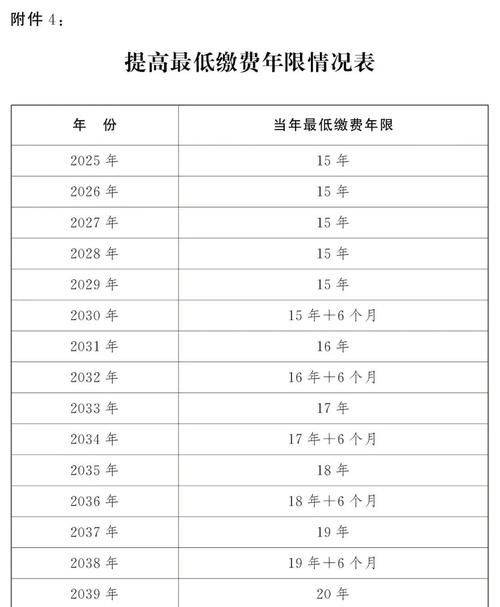
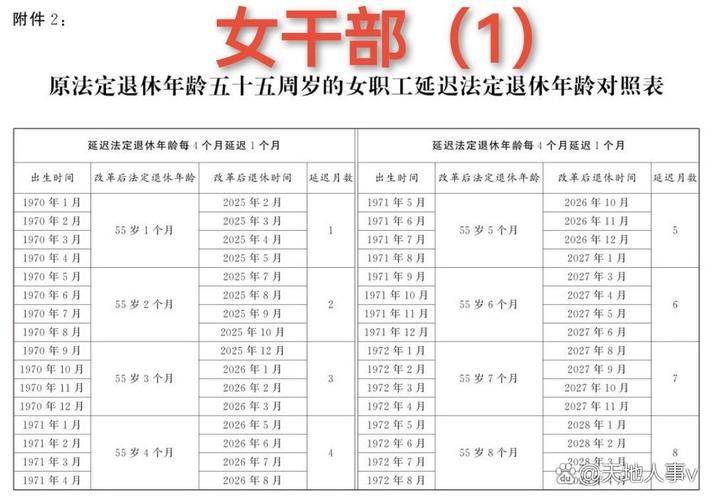
Thus, the qinghua university programme has made the following arrangements for the delayed receipt of pensions: first, from the beginning, a woman worker and resident born in 1965 was postponed to receive a pension for one year, and from the birth in 1966 for two years, so that by 2030 she would have received a pension at the age of 65. Second, starting in 2020, the retirement pension was postponed for six months for male workers and residents born in 1960, so that by 2030 the pension will have been paid to male workers and residents at the age of 65. Workers in difficult positions, both men and women, may receive a pension 10 years in advance。
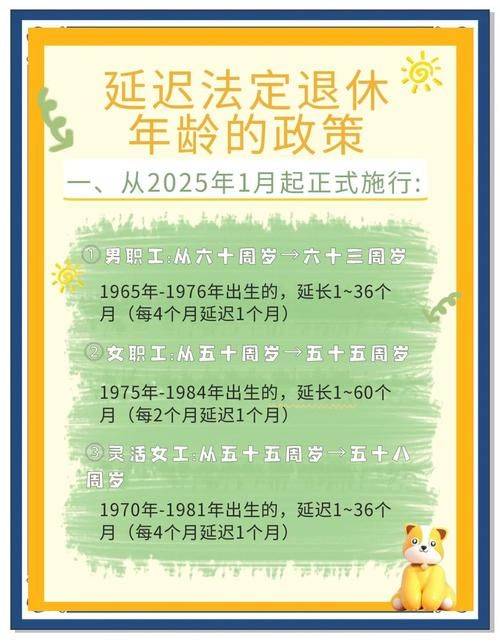
At present, men retire at the age of 60, women at the age of 50, female cadres at the age of 55, and men at the age of 55 and women at the age of 45 in difficult positions receive pensions from the time of retirement. For this reason, the programme of the university of qinghua “delaying to age 65” has been interpreted by numerous media as “delaying to age 65”, which has caused a great deal of damage to the community。
“we workers can't get much more work than retirement, and who doesn't want to leave earlier.” the king's group is emotional in stating that retirement is our right and that a delay in retirement is a denial of rights, and i firmly reject it!
Wang yicheng and chen chiu were only among those who opposed the delayed retirement of “the army”, and a social survey conducted on fox search news day, entitled “what do you think of delayed retirement” for more than 25,000 people, showed that 94. 5 per cent of respondents explicitly opposed late retirement, only 3. 2 per cent supported it, and 2. 3 per cent indicated neutrality or lack of attitude。
In the face of almost one-sided opposition, one of the main drafters of the qinghua programme, professor yang yan-soo of the university of qinghua school of public administration, expressed his understanding in an interview with journalists on the weekend of the rule of law, “the programme was launched to hear different voices and receive different opinions and suggestions”. She stressed, however, that the content of the programme was a delay in receiving a pension, not a delay in retirement, but based on demographic ageing, “a result that can serve as a basis for government decision-making, not a policy”。
It is all the more difficult for the population to understand the need to delay retirement, which is even more difficult to understand: “what is the use of a pension that i have not received in the first few years of retirement? Who will support me?”。
The secretary-general of the central research institute for social policy of the chinese academy of social sciences, tang xin, who is also a researcher, stated that pension payments amount to “retired or unemployed”, and suggested that for about 70 per cent of chinese, the only economy after retirement;”
The executive vice-president of the institute of public policy of the people's university of china, mao su long, believes that the current funding gap for our pensions is evident behind the qinghua programme. He analyses that while the current level of pay-as-you-go pension payments is currently viable, many people have not paid or paid only a small portion of their pensions in the past for historical reasons, and that the ageing of the population is bound to widen the pension gap. “in the future, two working people will have to provide for an elderly person, and it is a necessary trend to lead people to more jobs and to delay the receipt of pensions.” in response to a challenge, yang yan soo indicated that china had entered the society for the deep age in 2025, with a population aged 65 and over accounting for 14 per cent of the total population, with about five working-age persons supporting one elderly person; and in 2035, with a population aged 65 and over accounting for 20 per cent of the total population, with about two working-age persons supporting one elderly person。