Many people have just learned to drive, but do not know how many invisible pits are hidden in them: maintenance overconsumption, failure costs a lot of money, faulty handling of injured cars and loss of chains at critical moments. The last one, which speaks of basic common sense, provides you with knowledge of the cold that old drivers understand, each of which helps you to avoid pits, saves money, saves cars and benefits。
1. The price of oil is not as high as possible
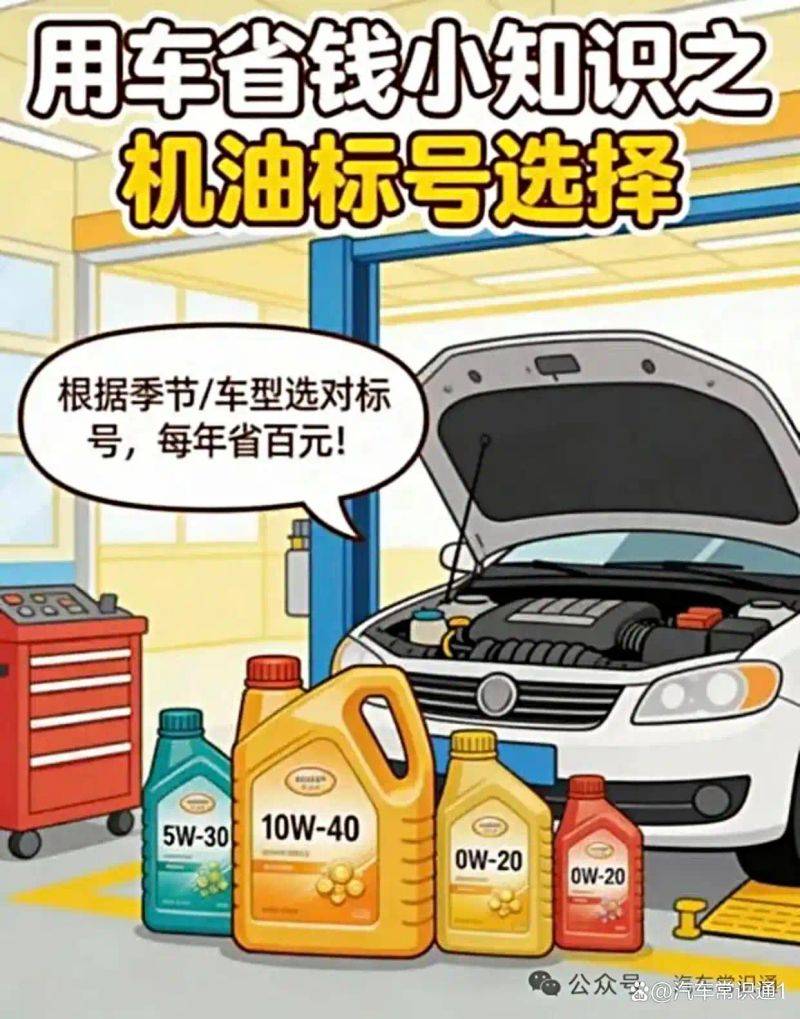
Many of the cars were maintained by the owners, who had been mistreated and injured by the most expensive of all synthetic oils. - the core of oils is marked by the following: 5w-30, 0w-20, for example, the previous figures represent low temperature mobility and the latter represent high temperature viscosity. - selection must be made strictly in accordance with the number of the vehicle description: the japanese, korean and newly produced cars are mostly 0w-20, and old german cars and american cars are commonly used 5w-30/5w-40. - too much visceral oil, which increases the resistance of the engine, with a direct increase in fuel consumption of 0. 5-1 oil and carbon accumulation over the long term, and too low viscos, which leads to inadequate lubrication and wear of engines. - cost-saving techniques: it is possible to purchase fully integrated oil on its own, as long as the label fulfils the requirements, and to pay for the replacement of working hours at a roadside store, which is more than half the cost of 4s。
2. Auto-starting is not a chicken rib, with the right amount of fuel, and the first thing that many people get in is to turn off and feel like they're hurting the bottle or the engine in the wrong way. - the automatic start-up is now equipped with a dedicated agm/efb outage bottle, which is reinforced by the start-up engine and is used in a way that does not hurt the vehicle at all. - correct use: traffic jams in urban areas, red and green lights are running for more than 30 seconds, saving between 5 and 10 per cent of fuel consumption, and when vehicles are moved, water is involved, air conditioners are turned off and bottles are cut off. - cold knowledge: ac will switch to wind delivery mode when the auto-stop works, and it will not stop completely, without fear of heat in the vehicle。
It's not just a two-and-a-half
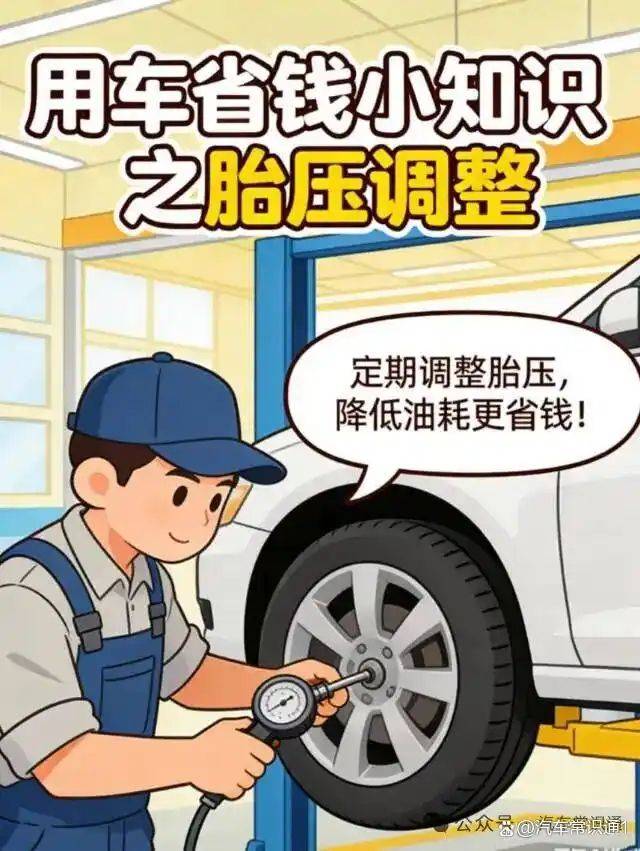
The vast majority of the owners of the vehicles had defaulted on 2. 5 bar, which was the greatest area of error. - standard tire pressure is not a fixed value, and the inscription on column b of the car door is the standard answer: the flat, full, front- and back-wheel tire pressure is not the same and is adjusted for summer and winter. - prevention of high-temperature blasts can be achieved in the summer by 0. 1-0. 2 bar below the standard value; in the winter by 0. 1-0. 2 bar can be achieved by reducing rolling resistance and saving oil to smooth. - cold knowledge: per 0. 2 bar, fuel consumption increases by 0. 3 oils, accelerates tyre wear and reduces the useful life
4. Water from the glass, which destroys the rain and canteens, and many of the cars are uncharted, either directly with water or even with cleaning, short-term and long-term pit vehicles. - the tap water has glucose, it jams the nozzles, it breeds bacteria, it becomes hard and it doesn't shaving. - cleaning is alkaline and corrosive of rain scraping glues and kettle seals, resulting in leaks and noises. - cost-saving techniques: buy a big bucket of glass water, scale it up to half the amount of the finished product, and make sure you use -25 °c/-40 °c in winter, otherwise the kettle will be fracking, and it will cost you hundreds of dollars
5. Brake oil is not free for life, and its expiry will fail. Many of the drivers change only engine oil, filter it, and never have. This is a fatal safety hazard. - brake oil is extremely water-absorbed, absorbs water in the air, causes a substantial drop in boiling points over time and creates air resistance when high-speed brakes are brakeed, causing the brakes to become soft and unstoppable. - replacement period: domestic vehicles are usually replaced by 2 years or 40,000 kilometres per vehicle, whichever is first, with early replacement in the wet zone. - cold knowledge: brake oil has to be drained, otherwise the brakes will be out of place, affecting the brake effect, so that the roadside shop does not lose the supply。
6. Car deodorant, sun + windows 100 times more useful than carbon bags
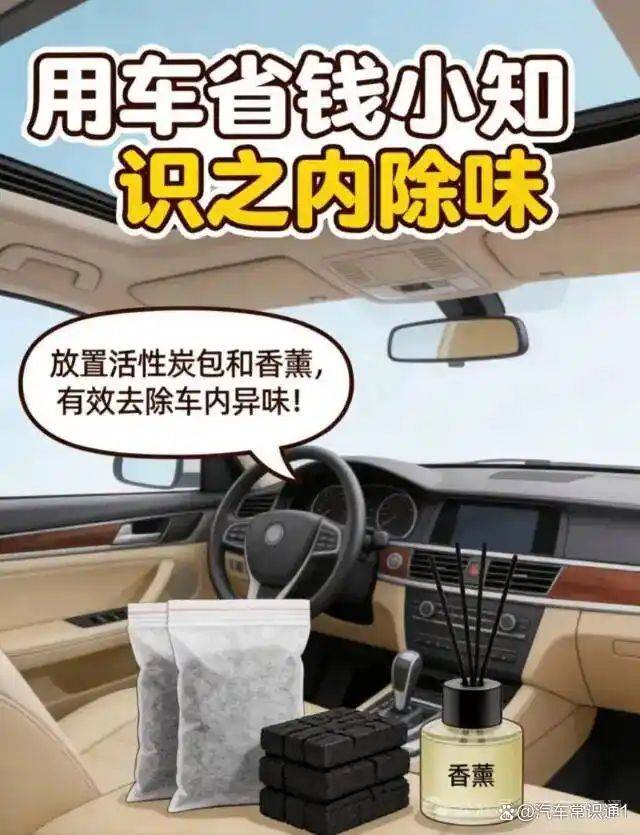
The new car smelled so much that many people bought a bunch of charcoal bags and a lot of perfume, but it was a cure. - hazardous substances such as formaldehyde and benzene are volatile and high temperature storms + open windows are the most effective method: in the middle of the day, the car was parked in the sun, four doors were opened, two to three hours tan, and a window was opened and ran, which could remove 80 per cent of the smell. - charcoal packs can only adsorb a small amount of odor, and when they are saturated they can be released. The incense only conceals the odor, which in turn exacerbates the pollution in the vehicle. - cost-saving techniques: buying a few cheap sacks of soda in the back of the car, so that you can taste it, which is far more expensive than a carbon bag。
Don't fill it up
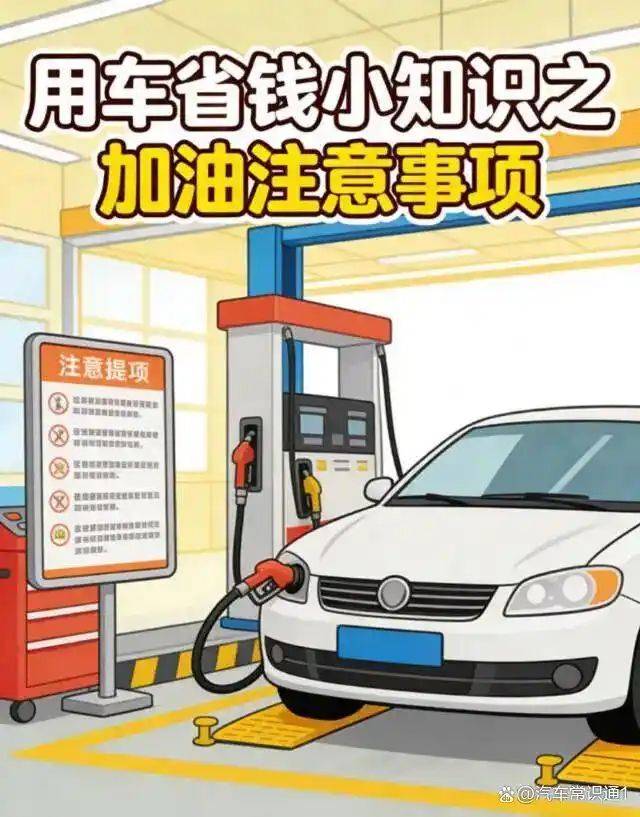
Not only is the car hurt, it's dangerous, but a lot of the owner's refuelling habits add up to a whole number of jumping guns, and it's totally unnecessary, and he's gonna hurt the car. - too much gas, which enters the carbon tank, causing the tank to be plugged and to fail, which not only smells of gasoline, but also increases fuel consumption, which will cause engine failure lights. - too much gas in the summer, high temperatures will swell the gasoline, spill it out of the vent, and there is a risk of fire in the open fire. - the right approach: stop with a jumper and add up to $5-10, not a hard number。
The fatality of the wheel was not the perpetrator of the injury to the car, and many of the old drivers said that “the fatality of the wheel would hurt the booster pump”, which was outdated. - the current hydraulics and electronics are protected, and when the steering wheel is killed, the pressure is automatically released, and it does not continue to carry a heavy load, and normal kills are perfectly safe. - the real cause of the injury was: after killing the steering wheel, the wheel was to be snapped or the gas was to be blown up for a long time. - the right approach: a little back after killing the wheel, reducing the load of the booster pump and minimizing the impact in situ direction will accelerate the wear of tyres。
9. Car insurance is not as good as it buys

There's no need for these three types of insurance, and a lot of drivers buy them, and they buy a bunch of useless insurance, and they spend thousands more. - risks that do not have to be bought: self-fire risk (the plant is responsible for the new quality insurance period and the old car lines are normal and not self-fired), scarring risk (a small scratch will raise the premium and make it more cost-effective); water risk risk (which has been incorporated into the vehicle loss and loss insurance without having to buy it again). - risks to be bought: risk insurance (compulsory), risk insurance (to protect one's own vehicle), risk insurance (recommends 2 million starters, now more than 1 million cars are not enough), seat insurance (opposable, less than risk assessment). - cost-saving techniques: insurance premiums are reduced year after year, small scratches are made, no insurance is taken, and the premium is more valuable than the cost of car repairs。
The battery is out of power. It's not the only way to save it
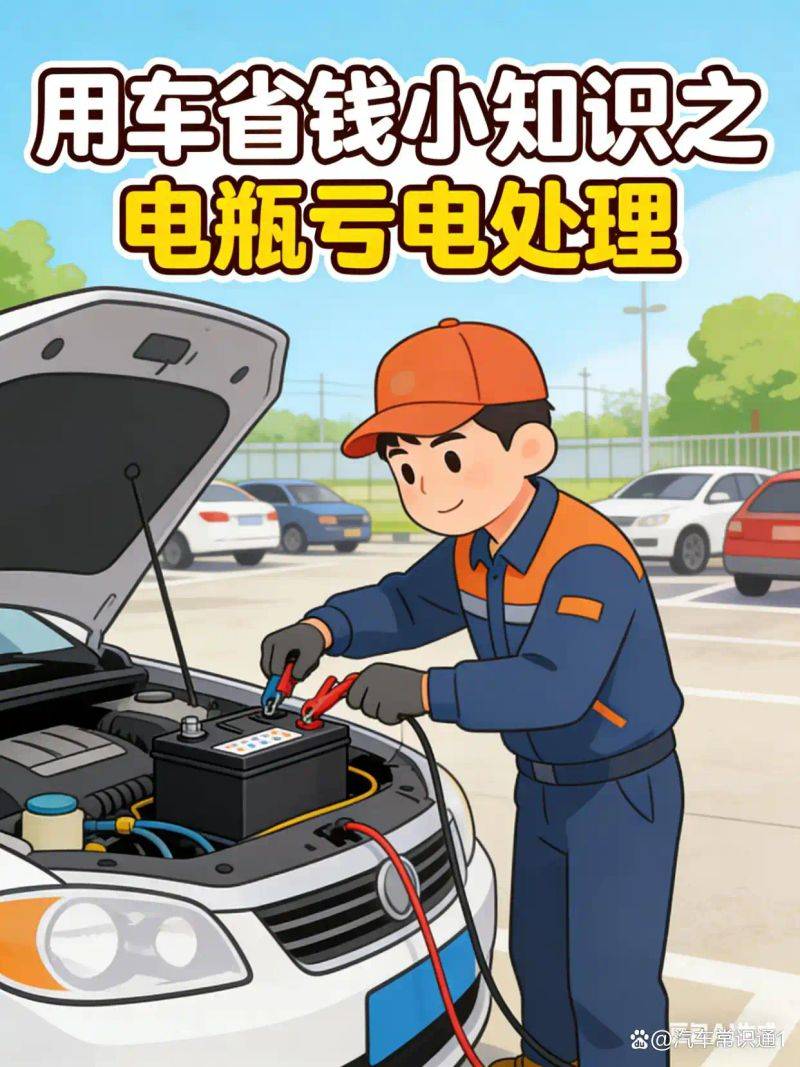
Many of the car owners were hit by a bottle that could not be hit by a fire, and the first time they called for help, they could actually solve it themselves. - manual block: it is possible to hold two blocks, to step on it, to find a pusher, to get up at a velocity, to loose it, to hit it, and then to run for more than 30 minutes to charge the bottle. - auto-stopping: i can only pick up electricity, but i can buy an emergency start-up power for a few hundred bucks, and i can pick up electricity without calling for help. - cold knowledge: parking for a long time (more than one week) and pulling out the negatives of the vials would prevent the loss of electricity and avoid the fire。
Carbon accumulation does not have to be emptied, and many of the owners of the 4s store, which says that “more carbon is accumulated and more carbon is accumulated or the engine dies”, is in fact a set. - normal domestic vehicles, regular petrol, regular high-speed runs, no more carbon accumulation than affects engines, and no regular cleaning. - carbon is required only when there is a marked increase in fuel consumption, a decrease in power power, absconding and cold-starting difficulties. - save money techniques: cleaning up carbon, other than slinging cans, with three dollars of catalytic damage, washing walnut sands directly into the air lane, releasing pistons, or using fuel additives such as tcp, which is half as cheap as 4s。
12. Stop the car without a handbrake, and these two types of cases will slip. Many owners will pull a handbrake, and they feel that there are two types of circumstances in which they will slip. - parking for long periods (more than three days), ramp parking: hand brakes only exhaust the handbrake, long breaks loose and easy to scoot. - correct approach: ramp parking, hand brakes, p block (automatic block)/1 block (manual block) followed by bricks under tyres; flat parking, p block + hand brakes, double insurance. - cold knowledge: auto-stop the car, in the correct order: step on the brakes and block the brakes and pull the brakes off the fire, so that the gearbox does not suffer and extends its useful life. And lastly, the car is a tool, not to feed it as an ancestor or to be buried as a mouse. The common sense is not to become a car mechanic, but rather to be free from deception, injustice and safety in driving。
#20. 26 million likes for creators #