Some people think food preservatives are invisible poisons
It's even getting to the point of talking about preservative color change
Well..
Is the preservative really not healthy
Why add preservatives to food
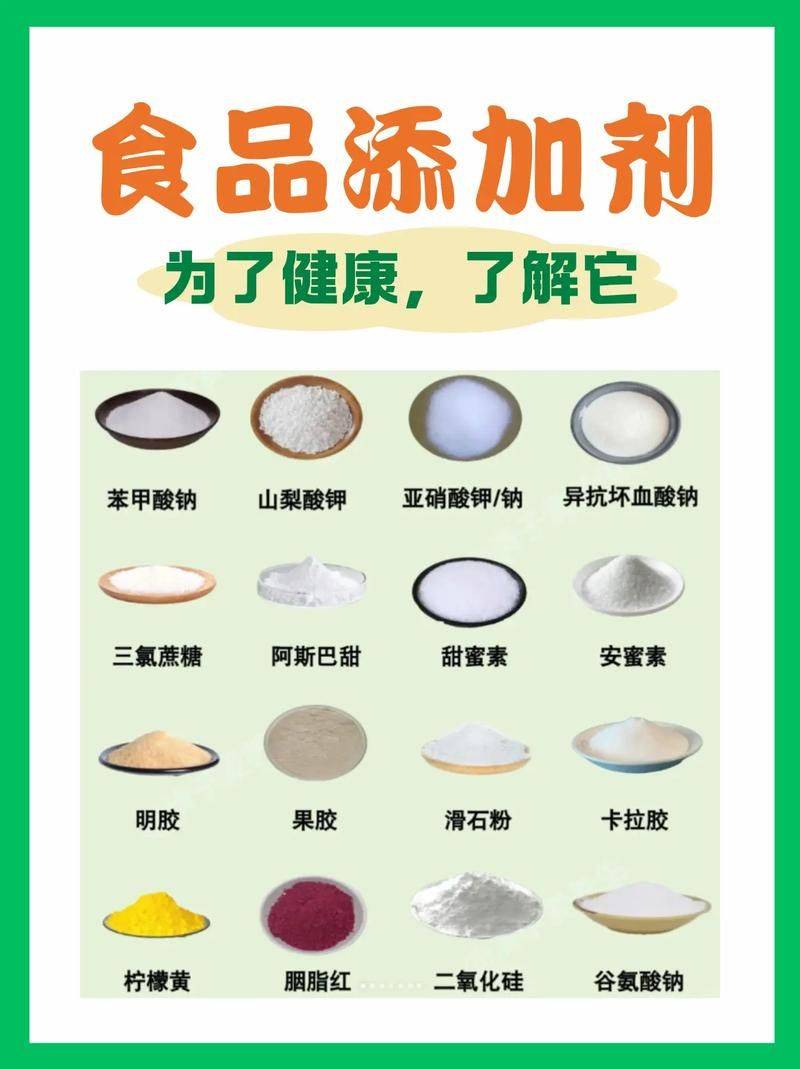
Preservatives, also known as microbicides, are food additives that inhibit the growth and reproduction of micro-organisms and prevent the deterioration of food from corrupting. We have approved 30 available food preservatives, such as potassium pear acid, which are highly resistant, less toxic and can be involved in normal metabolism in the human body。
Preservative preservatives have three general principles:
1. Interrupting the enzymes of micro-organisms to disrupt their normal metabolism and inhibiting enzyme activity。
2. Obstructing the existence and reproduction of micro-organisms by condensing and altering their protein properties。
3. Change the permeability of the microbial cell membranes and inhibit the discharge of enzymes and metabolites in their bodies, resulting in their failure to function。
Note that rational use of preservatives is one of the most effective and convenient means of keeping food for a certain period of time. Within safe use, preservatives are not toxic to the human body. For some foods that do not add preservatives, there is a certain risk of health problems, such as food poisoning, intestinal infections, if consumers do not keep them properly and if they are consumed after deterioration。
Any natural preservatives
Natural preservatives are also referred to as natural organic preservatives, which are biogeneratives or in virulent substances present in the body that are artificially extracted or processed into food preservatives. The main groups are natural preservatives from animal sources, natural preservatives from plant sources and natural preservatives from microbiological sources。
01
Natural preservatives for animal sources
This includes, inter alia, bee glue, shell sugar, etc。

Beep: studies have shown that it inhibits and destroys a wide range of bacteria, fungi, which contain pinephrines, gyanin, shanina, phenate, coffee acids and beetle leachate with anti-bacterial activity; the acetone-like compounds in beehives can also inhibit and eliminate microorganisms from the face of fruit and vegetables。
Shelled sugar: also known as crustaceans, is a multi-gluceous substance deaccelerated from crustaceans such as crab shrimp, insects, which has a strong inhibition effect on coli, common deformation coli, dead bacillus, golden grapes。
02
Natural preservatives from plant sources
Plant-source natural preservatives are biologically active agents that are resistant to bacteria in natural plants. Numerous scholars in our country have studied the antibacterial tests of more than 50 fratricidal plants, such as garlic, ginger and cloves, and more than 200 herbal and other extracts, such as bamboo leaves, and have found that more than 150 plants have wide spectrum antibacterial activity and that there is antibacterial synergy between extracts. Many plant extracts, such as silver almond extracts, cinnamon extracts, cloves extractions, rosemary extractions, red-colour extracts, pepper extractions, pepper extractions, etc., have strong microbicides that can be used as natural preservatives。
03
Natural preservatives of microbial sources
The sources of natural preservatives for micro-organisms are wide-ranging, with bacteria, nematodes, yeasts and fungus being produced during growth and reproduction. Our gb 2760-2024 national standards for food safety national standards of food additive use approved the use of microbial preservatives of lactation streptococcus and natacin, which have been approved for use by over 50 countries。

There's an unexpected preservative, that's carbon dioxide. Carbon dioxide plays an important role in food preservation, especially in carbonated beverages, which not only enhance the taste of the drink but also effectively extend the shelf life。
How does science select food
Please understand properly and rationally the preservatives in foods and understand the general knowledge of food preservatives:
1. Understanding the types of preservatives that are common in foods and the range of uses, and carefully reading labels when buying food。
2. The products of brand manufacturers are purchased through formal channels, where possible, and are often more secure in the use of food preservatives。
3. Food preservatives may be selected as fresh, natural foods, less processed foods, or as foods containing natural preservatives。
4. To maintain a balanced diet and not to consume a particular type of food on a long-term, large-scale, single basis to avoid overingestion of a preservative that may contain。