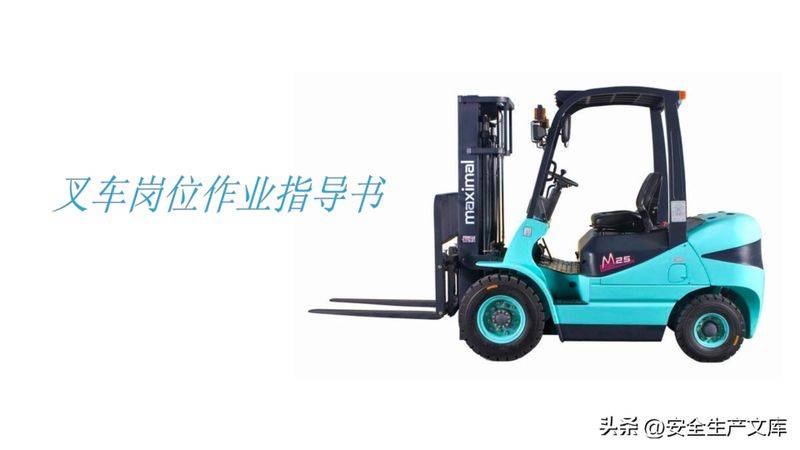
Today, the safe production library presents you with a very practical " forklift duty and operations guidance " 。
The course, which focuses on the standardization and safety of the entire process of the forklift operation, covers the core elements of duties, operations and maintenance and is a high-quality training resource for the management of the forklift operation at the plant。
I. Overview of the training presentations
(i) core positioning: using as a centrepiece the regulation of forklift operating protocols, combining efficiency gains with reduced labour intensity, providing full process guidance for forklift operations。
Scope of application:
In the industrial sector: forklifts of various types。
Applicable population: factory forklift operators, forklift operators, relevant security trainers。
(iii) core values: clarification of operational requirements, avoidance of security risks, safeguarding of proper operation of equipment and standardization of forklift operations。
Ii. Specific content of the training course
(i) basis framework statement
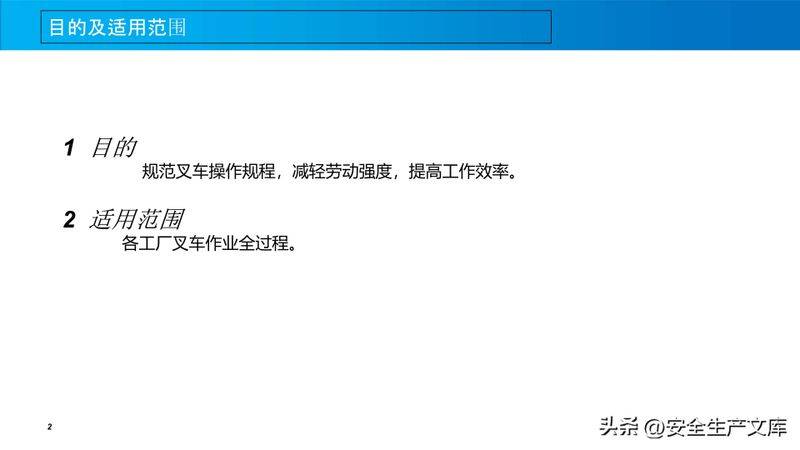
Purpose: to regulate forklift protocols, reduce labour intensity and increase work efficiency。
Scope of application: all forklift operations at factories。
(ii) definition of core responsibilities
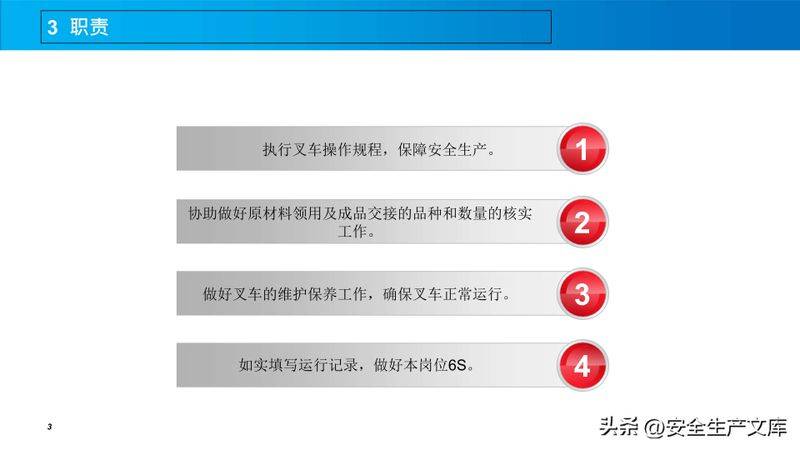
Forklift procedures are strictly enforced to ensure safe production。
Assistance in verifying the variety and quantity of raw materials taken and finished products exchanged。
Forklift maintenance to ensure proper operation of equipment。
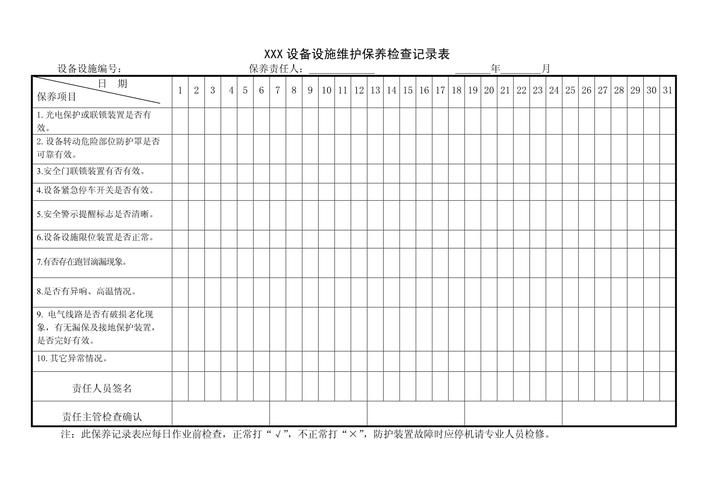
The operation records are completed to implement the 6s management of this post。
(iii) time management requirements
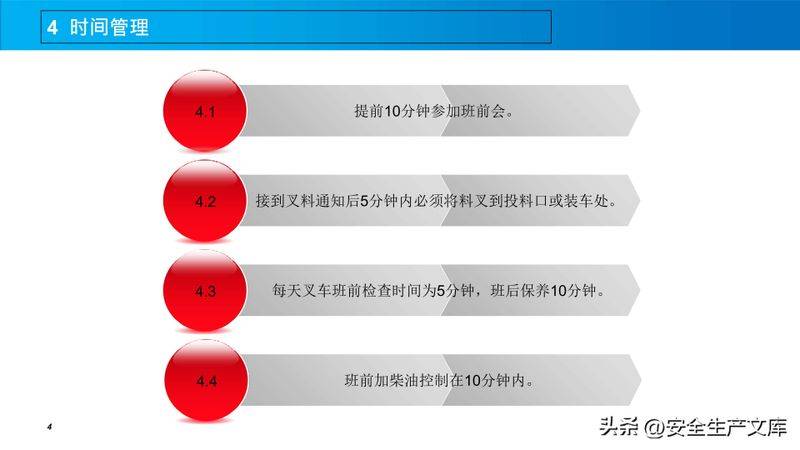
10 minutes in advance。
The forkware is completed to the designated position within five minutes of receipt of the forklift notification。
Five minutes before the shift and 10 minutes after the shift。
Pre-class diesel is controlled in 10 minutes。
(iv) detailed operational norms
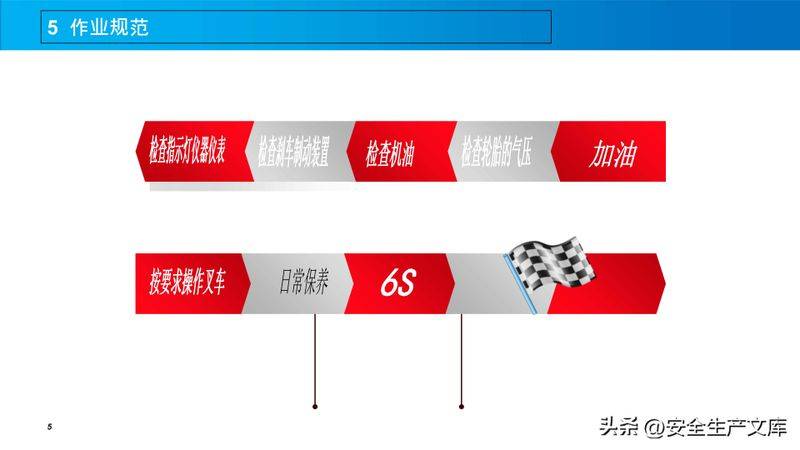
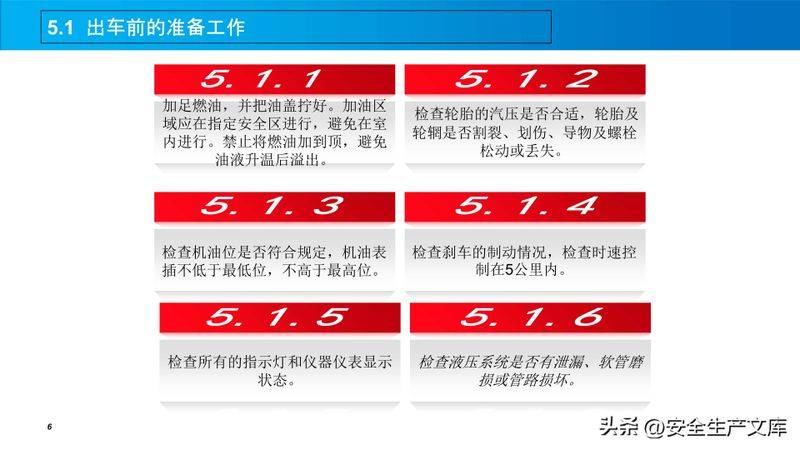
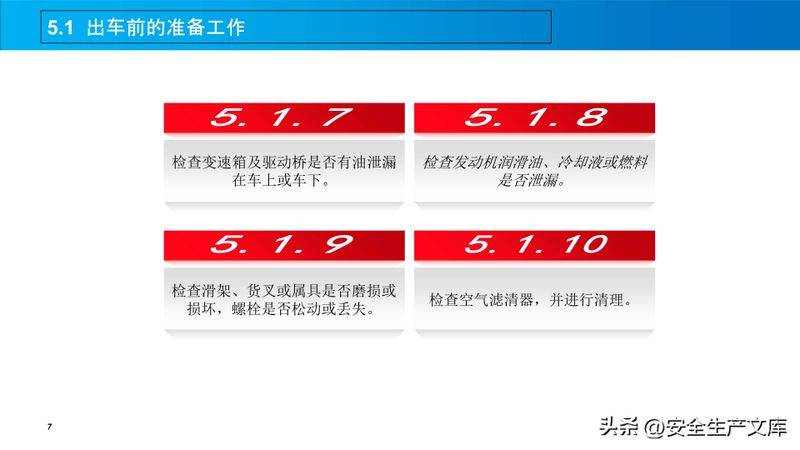
Preparation for departure: filling of fuel (designed safe zone operation), examination of key components such as tyres/oil/brakes/lights/ hydraulic systems, cleaning of air filters。
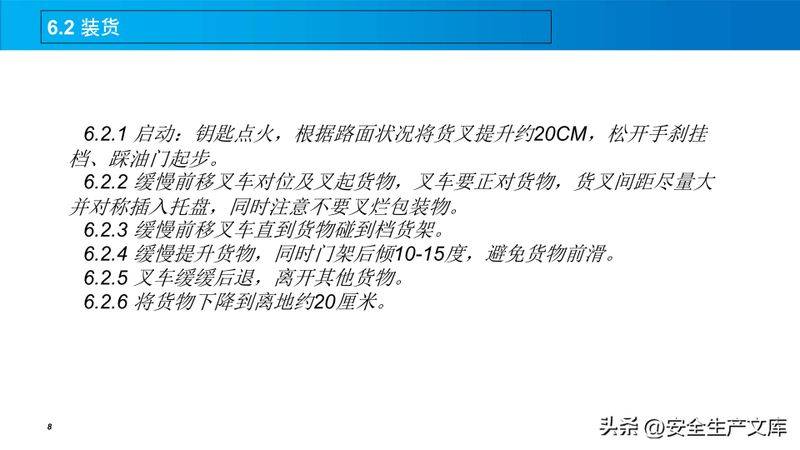
Loading process: the ignition of the fork to the position of the fork to insert the fork in the fork to the fort to lift the cargo (ten to 15 degrees below the door shelf) and then to leave the fork to 20 cm from the ground。
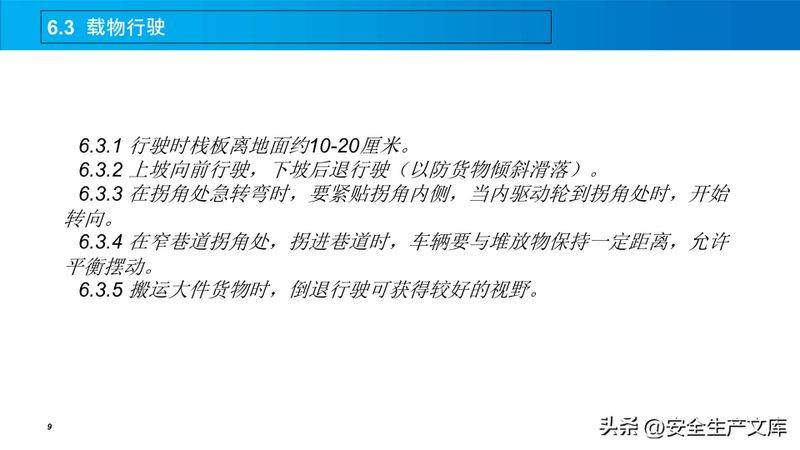
(c) carrying of goods: the slab is 10-20 cm away from the ground, the upside slope is ahead, the downside is back, the corner is subject to specific driving rules, and large cargo is backtracked。
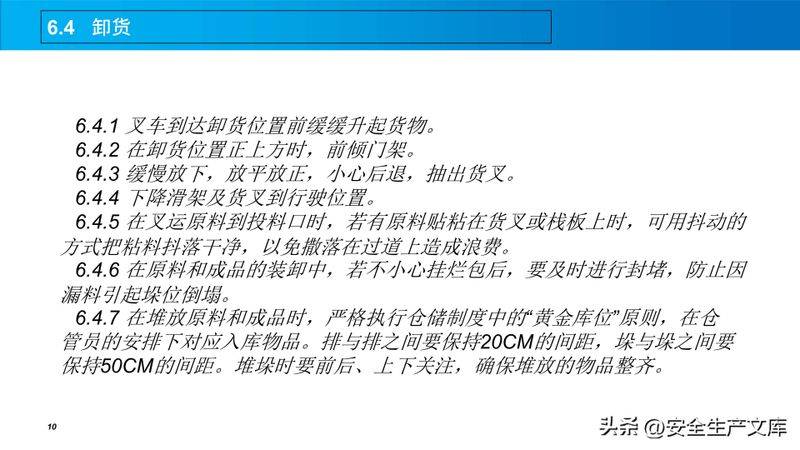
(b) detonation instruction: a smooth drop-down of the door shelf in front of the lifting of the goods, the extraction of the fork, the treatment of viscos, broken packaging, and stacking in accordance with the principle of “gold deposit position” (spacing)。
(v) security precautions
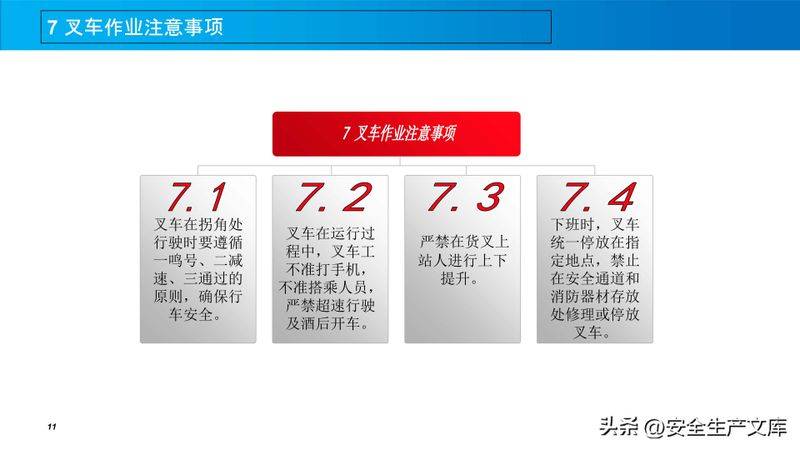
The roundabouts are guided by the principles of “one chime, two slow, three pass”。
Cell phones, people on board, speeding, drinking and driving are prohibited and forklifts are strictly prohibited。
Work hours are stopped at designated locations and security passages and fire stores are prohibited。
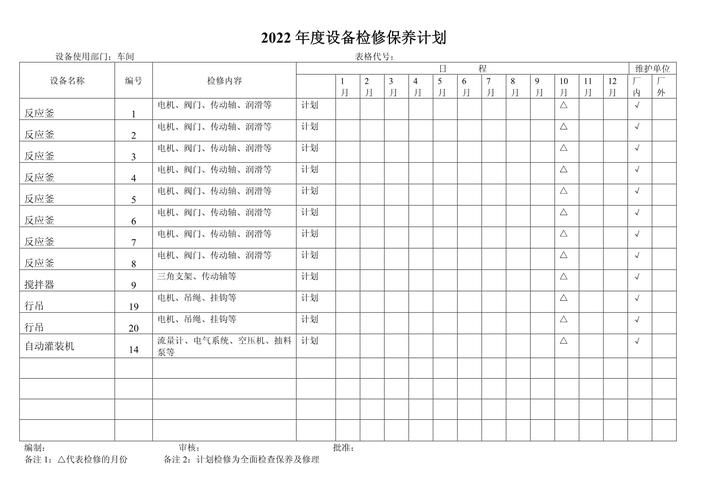
(vi) maintenance requirements
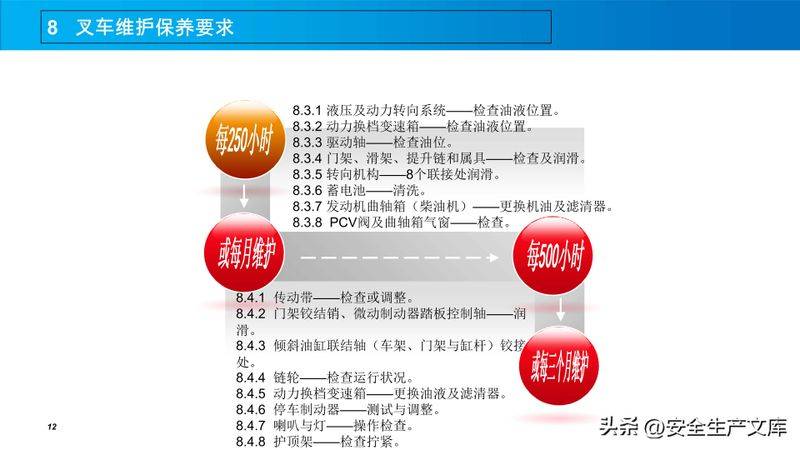
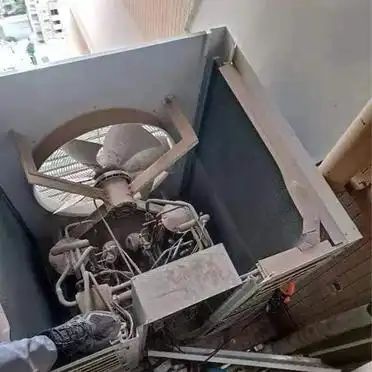
General maintenance: inspection of components such as adjusting gear belts, lubricating door frames, testing of horns and lights, cleaning of batteries, etc。
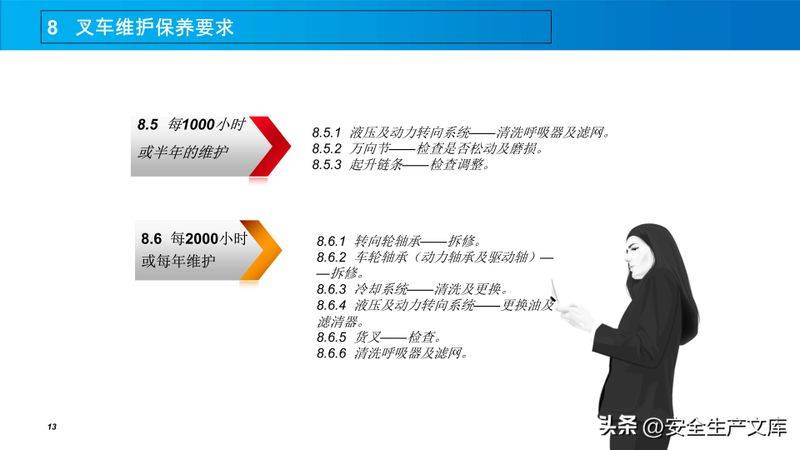
Maintained every 1,000 hours/half year: cleaning hydraulic respirators and filters, checking all-way, adjusting lift chains。
Maintenance every 2000 hours/year: dismantling of wheel and wheel bearings, replacement of cooling system media, replacement of hydraulic fluids and filters, inspection of forklifts。
Expected learning results
(i) operational level
Proficiency in standardized processes for checking, loading, carrying and unloading of forklifts prior to departure, reducing operational errors。
Strict compliance with time management requirements to improve the efficiency of work, such as forkware, handover, etc。
(ii) security aspects
Increased security awareness, elimination of irregularities (e. G. Forklifts, speeding) and reduction of operational safety risks。
Security features of critical scenes, such as driving around the corner, handling of special cargoes, and security of persons and cargo。
(iii) equipment and management aspects
Learn daily maintenance methods for forklifts to extend the useful life of equipment and reduce downtime。
(c) clarify job responsibilities, regulate operating records and 6s management, and upgrade operational standards。
Forklift operations at the support plant conform to the warehousing system and security management requirements and create an orderly operating environment。